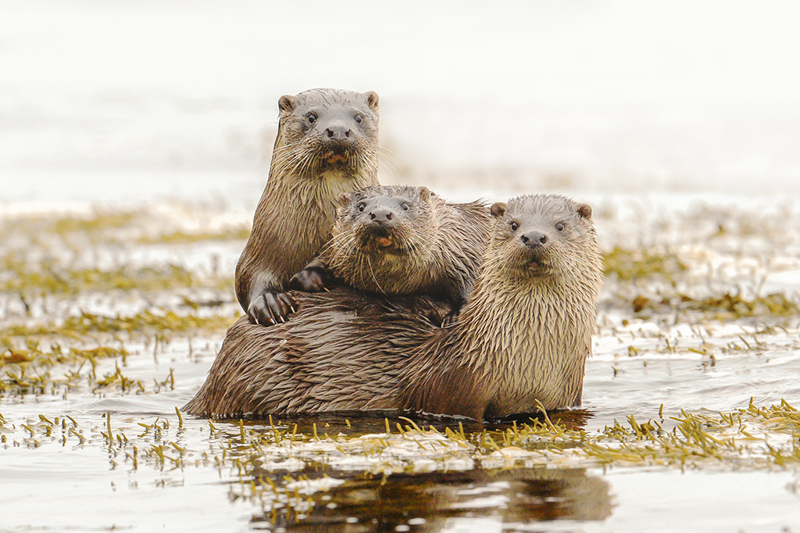
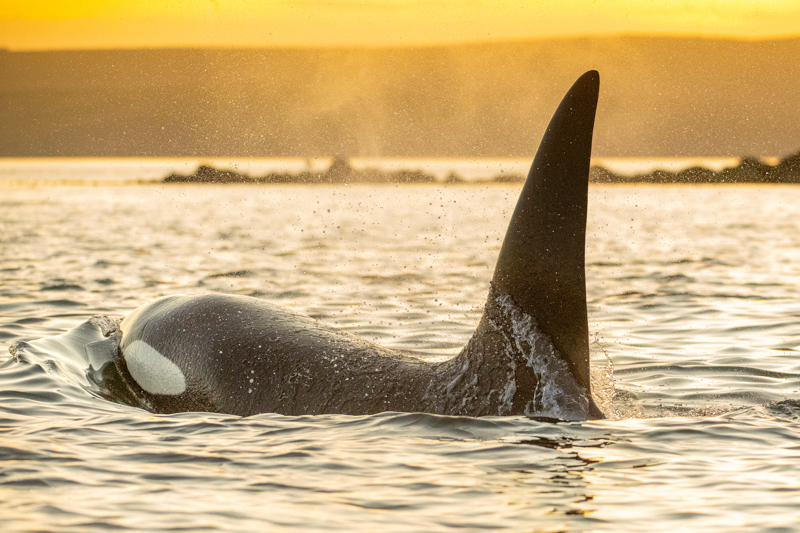
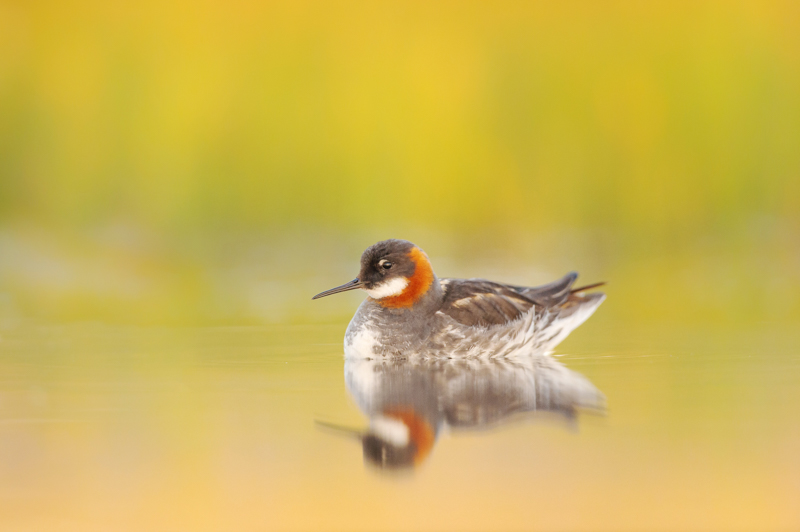
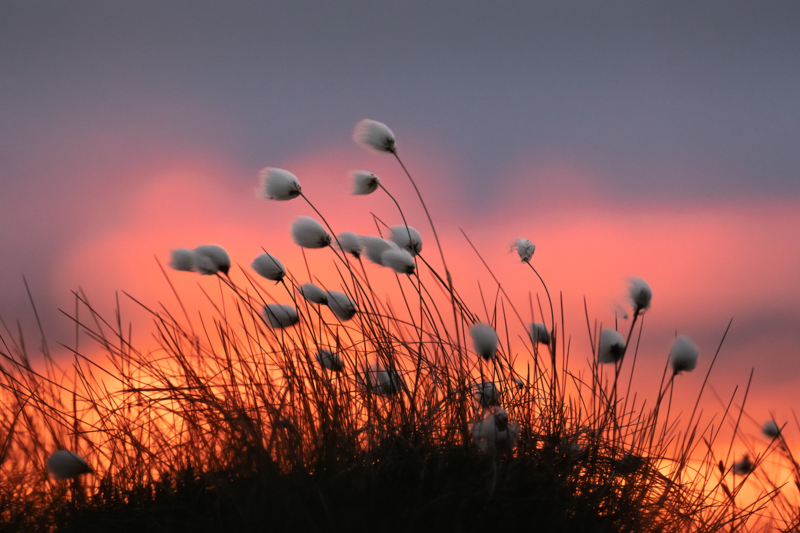
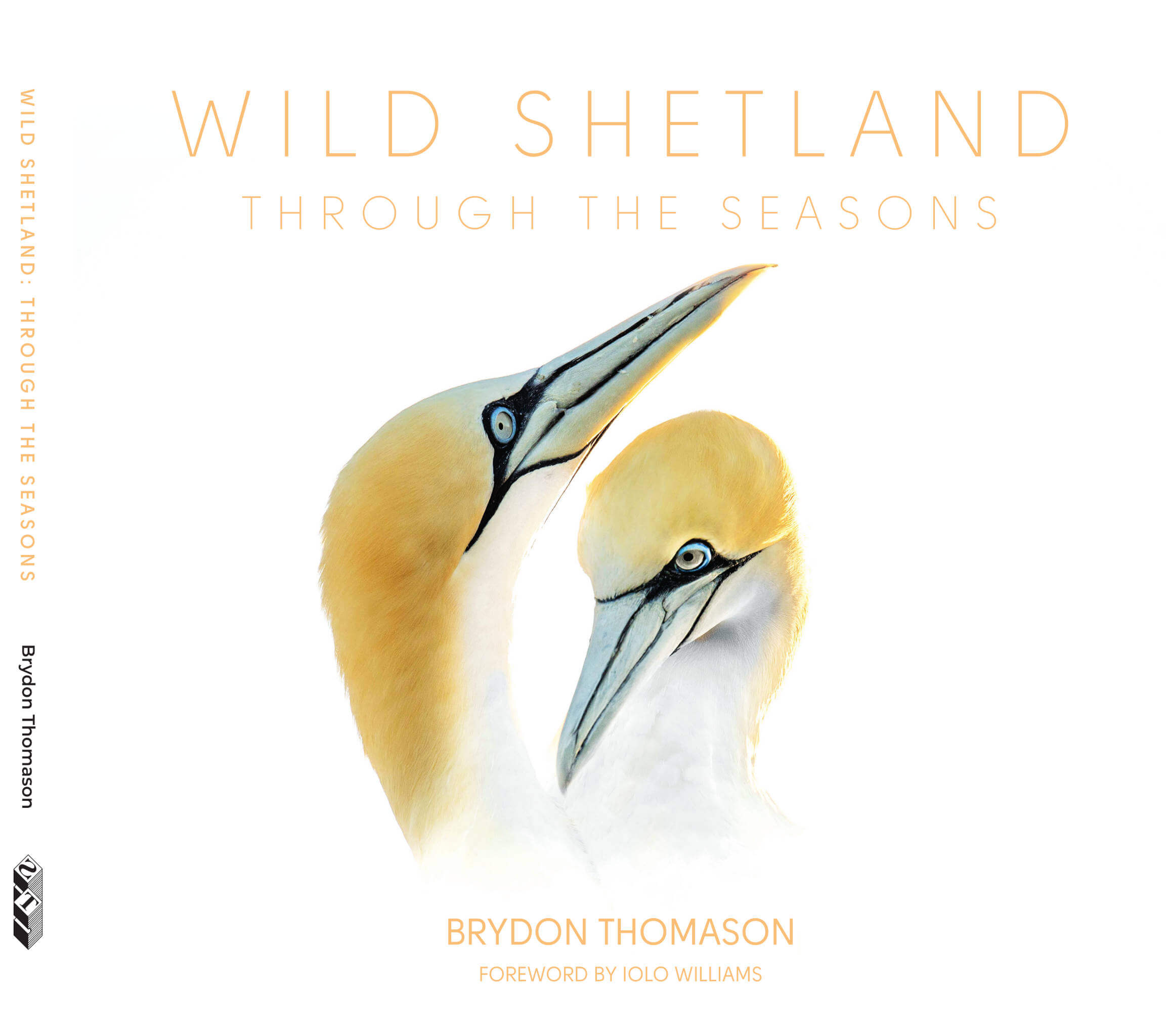
Brydon’s New Book: WILD SHETLAND – THROUGH THE SEASONS
Posted by Brydon Thomason on Thursday 14th December 2023 | News
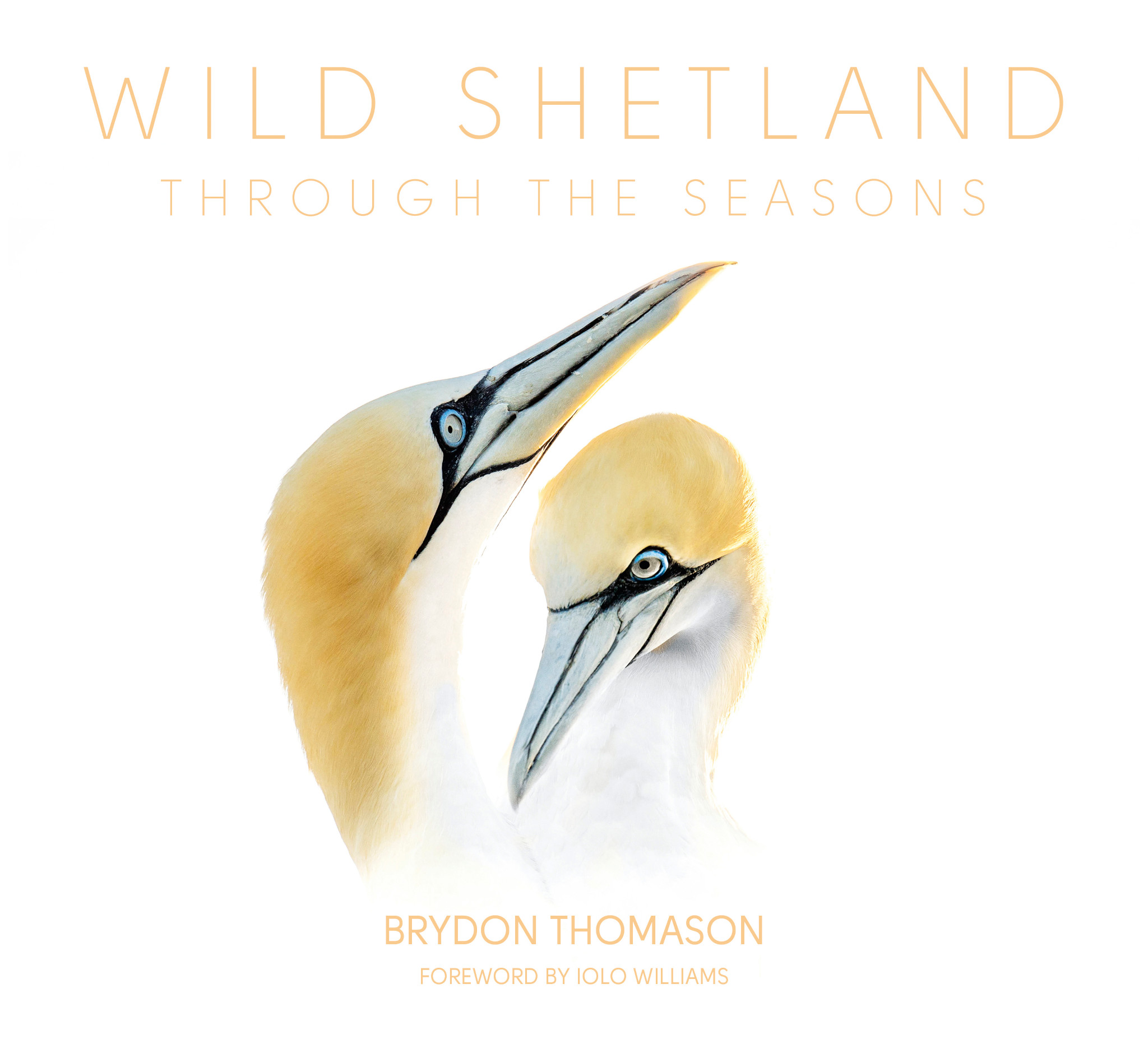
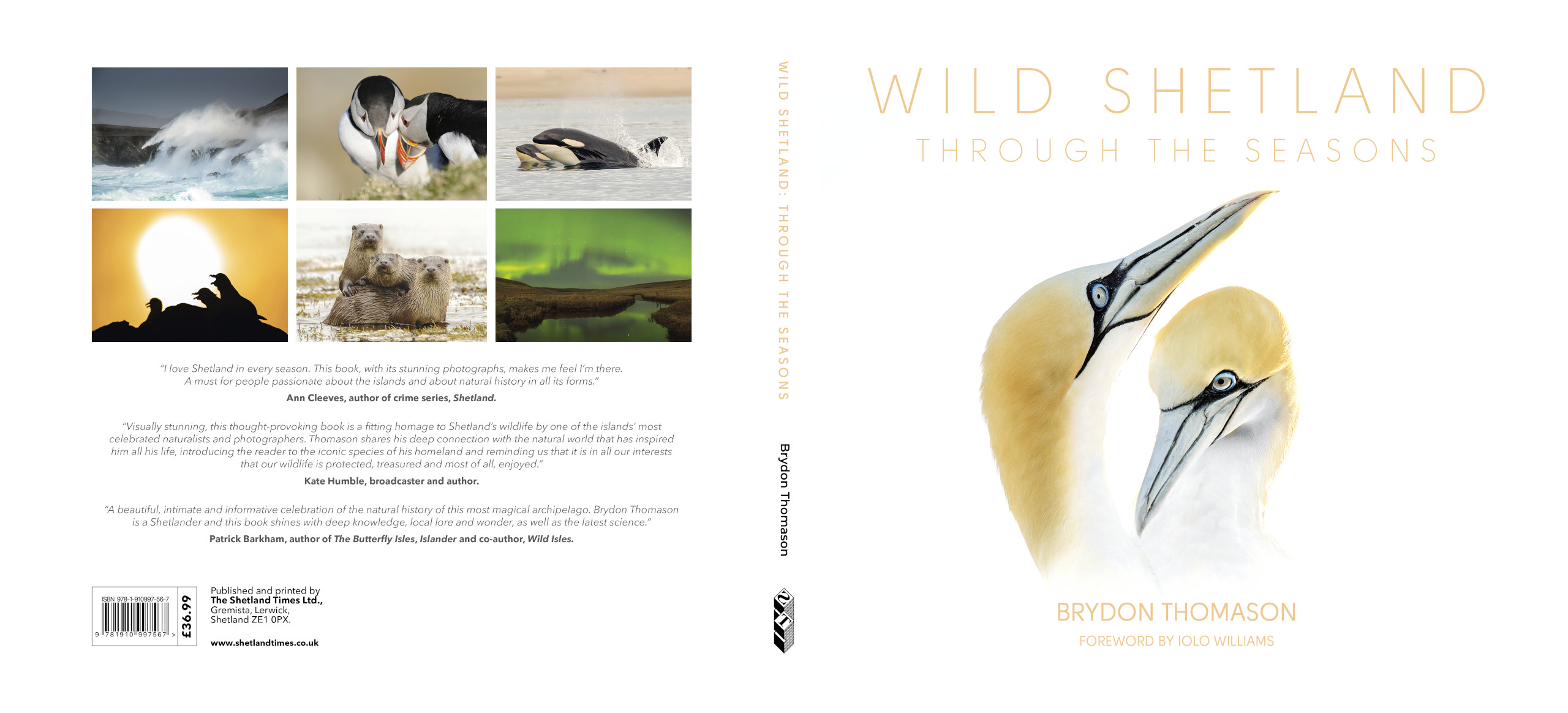
At last, after far more years than I care to remember my new book hit the shelves earlier this month. To have written this book is a huge honour. This feels especially so as it is now 35 years since the legendary Shetland naturalist, the late Bobby Tulloch wrote his celebration of our islands and their wildlife, ‘Bobby Tulloch’s Shetland’.
When I first approached my publishers, The Shetland Times a decade ago my proposal was to profile Shetland’s most iconic species throughout the seasons. That always felt the best approach however through time I realized I wanted the book to be about so much more than the wildlife and the islands, but also to share our sense of belonging and pride of place and particularly, our connections to our natural world, past and present.
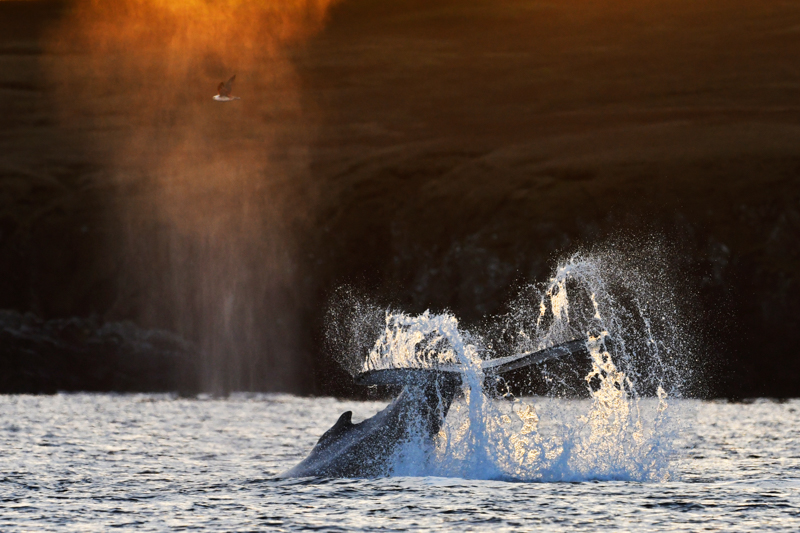
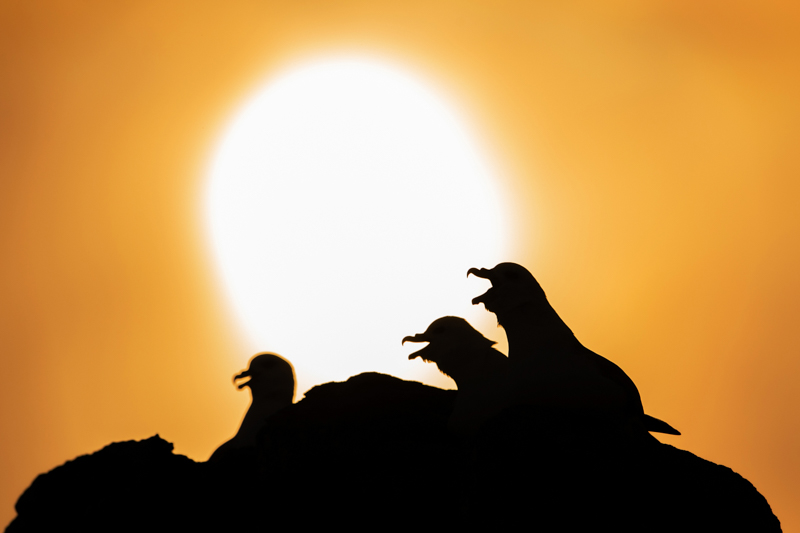
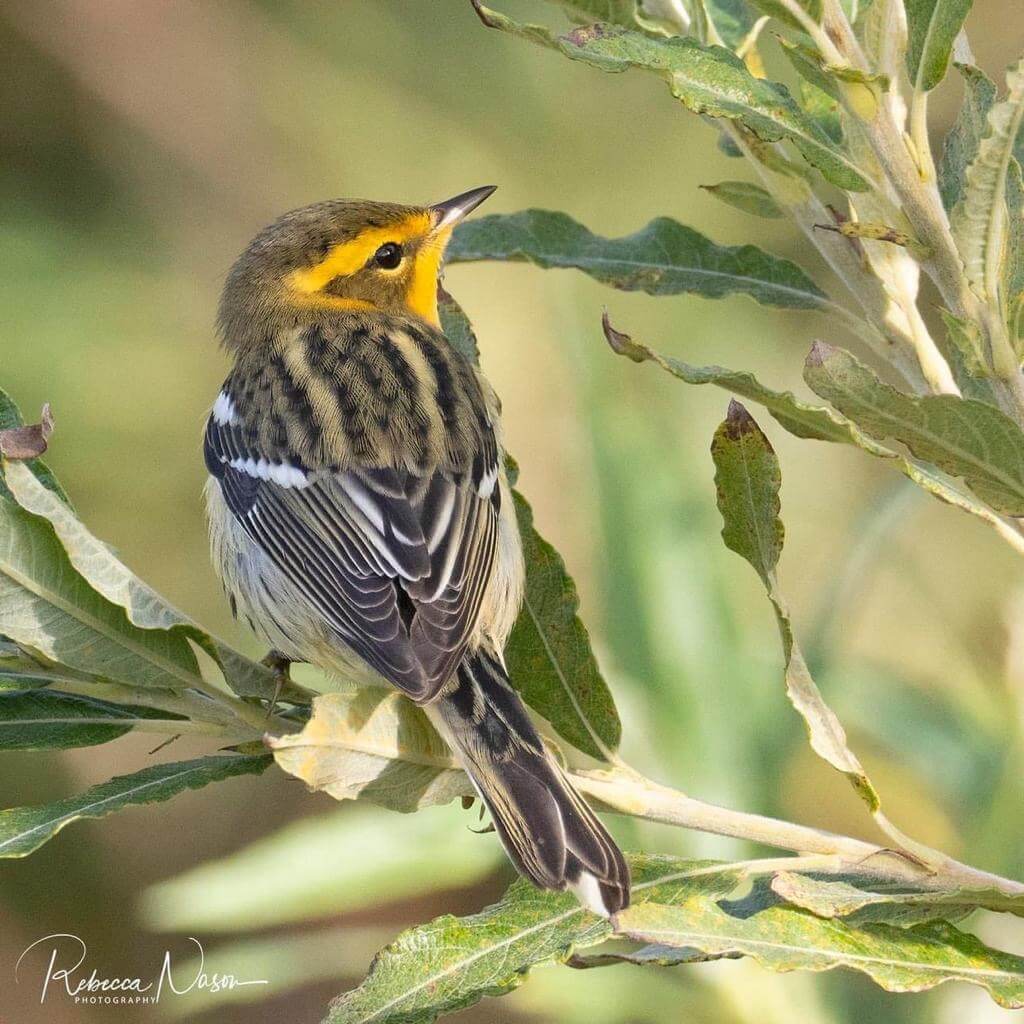
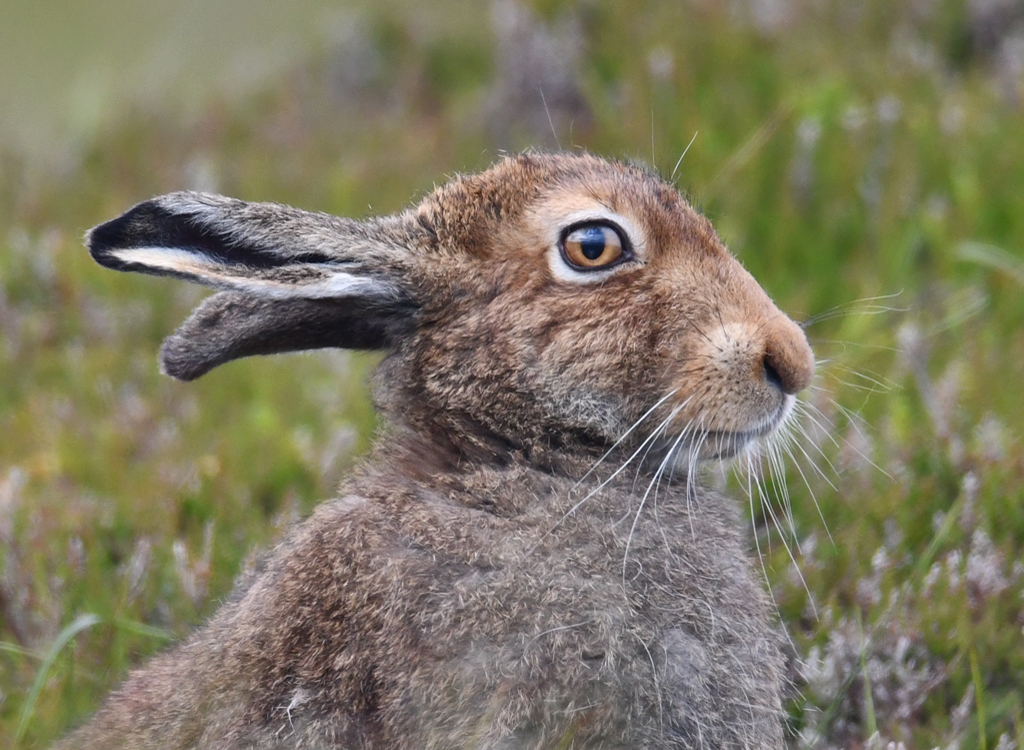
To give this book and Shetland the heart and soul it deserves, I have given our wildlife and seasons as wide-ranging overview as I could within 286 pages, a word count of 24,317 and 179 photographs which feature just shy of 80 species – but believe me, there was so much more to say and share! We had to be realistic of its physical size – and weight!
Any photographer to have devoted their work to their homeland will know how hard it is to shortlist, let alone chose the final images for a project like this. To give you an idea of how easy it was to get carried away, the first page count was over 340 with over 250 images!
It is essentially a coffee table picture book, however the subjects and species within are deserving of so much more than pictures alone so the images are accompanied with informative text that puts our most iconic wildlife into seasonal context, and blends historic observations with contemporary insight. Through a combination of research along with my own passion, experiences and memories, I hope I’ve found a relatable tone in my writing style and that through all these – I have done Shetland proud!
I owe so much to my good friends Jon Dunn and Mike Pennington for their help during the editing process and the many others acknowledged within the book for various favours over the years, relating to assignments featured.
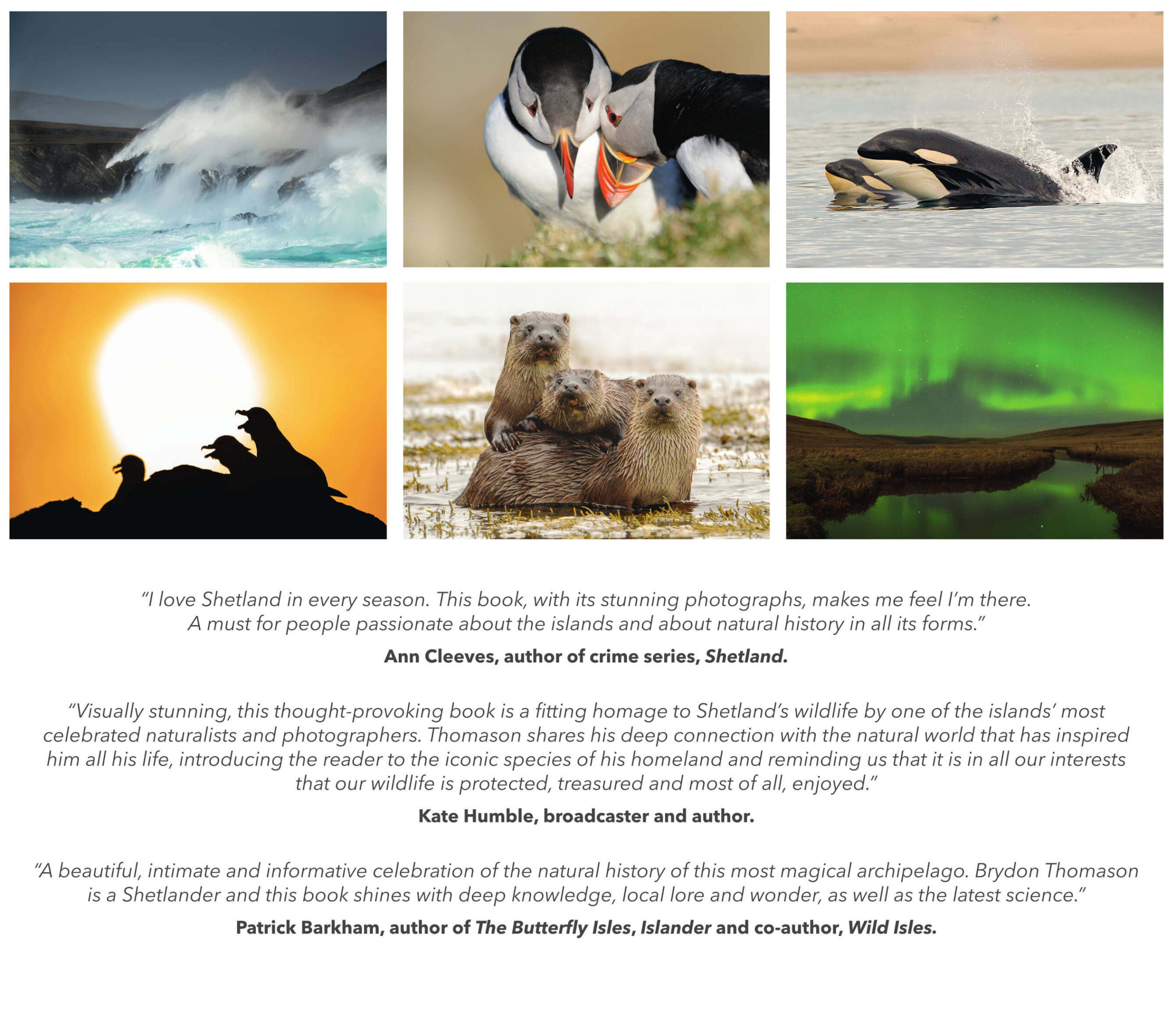
Equally, I shall remain eternally grateful to Iolo Williams and Dennis Coutts for their respective Forewords (yes- I have two!) and to Kate Humble, Ann Cleeves and Patrick Barkham for their back cover endorsement quotes, and my publishers, The Shetland Times and all who’ve worked with me on this;
I love Shetland in every season. This book, with its stunning photographs makes me feel I’m there. A must for people passionate about the islands and about natural history in all its forms. Ann Cleeves, author of crime series, Shetland.
Visually stunning, this thought-provoking book is a fitting homage to Shetland’s wildlife by one of the islands’ most celebrated naturalists and photographers. Thomason shares his deep connection with the natural world that has inspired him all his life, introducing the reader to the iconic species of his homeland and reminding us that it is in all our interests that our wildlife is protected, treasured and most of all, enjoyed. Kate Humble, broadcaster and author.
A beautiful, intimate and informative celebration of the natural history of this most magical archipelago. Brydon Thomason is a Shetlander and this book shines with deep knowledge, local lore and wonder, as well as the latest science. Patrick Barkham, author of The Butterfly Isles, Islander and co-author, Wild Isles.
Read some of the reviews so far:
Order online »
Order online at my publishers The Shetland Times.
Permalink
2023 Summer Season Summary
Posted by Brydon Thomason on Monday 16th October 2023 | News
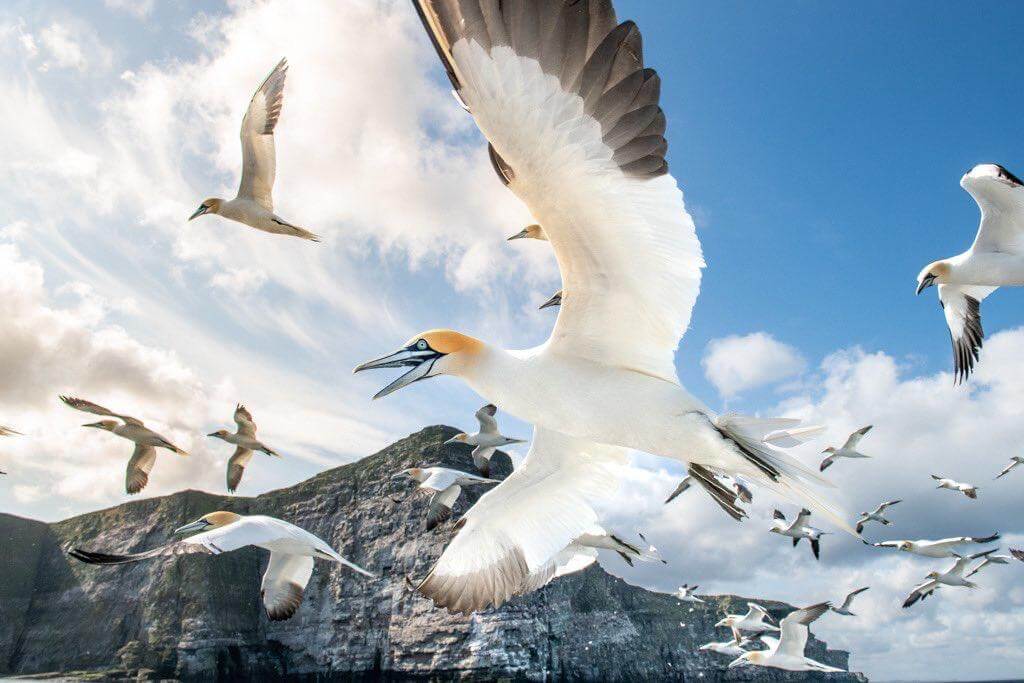
As our core 2023 season winds down, the autumnal gales presently hammering the isles and with only Otter photography and day-tours remaining throughout October and November, it feels like a good time to share some highlights. All in all, it has been a tremendous season. It was particularly special to see travel and enthusiasm to enjoy, truly feel back to normal. One of the greatest joys of this year has been the relief to see our seabirds, namely Great Skua and Northern Gannet, free from the despair of last year’s Avian flu pandemic, though it was heartbreaking to see the continued impact at many other colonies further south.
We must begin by thanking everyone who has travelled with us over the past six months, on our holidays, photo-tours and day trips and from all over the world – without you, none of us here at Shetland Nature could do the jobs we love so much – thank you.
Sightings and highlights
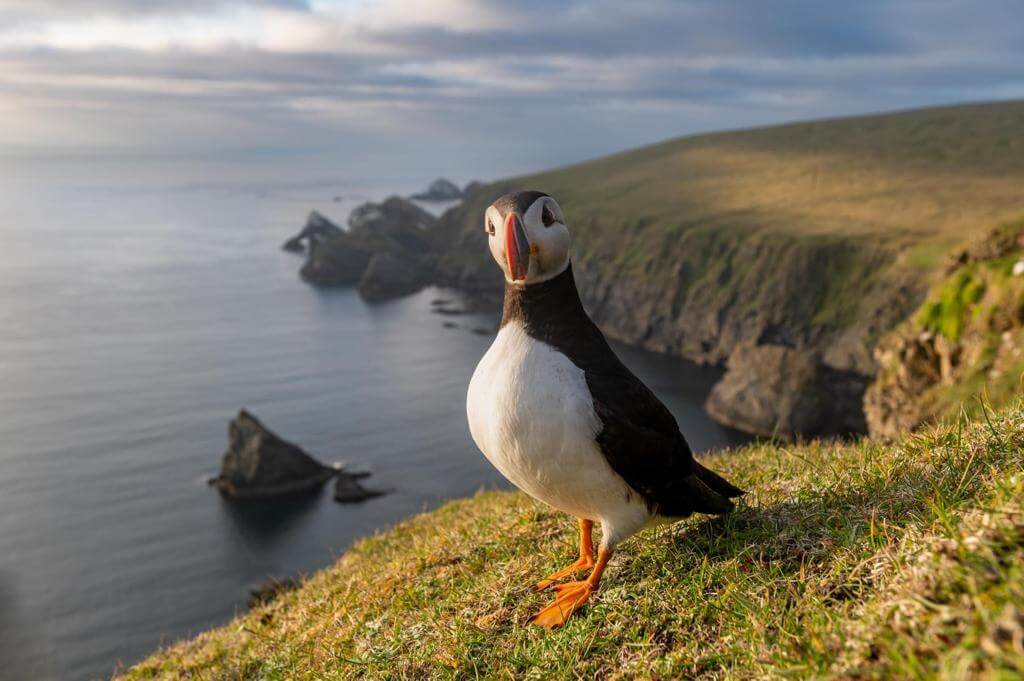
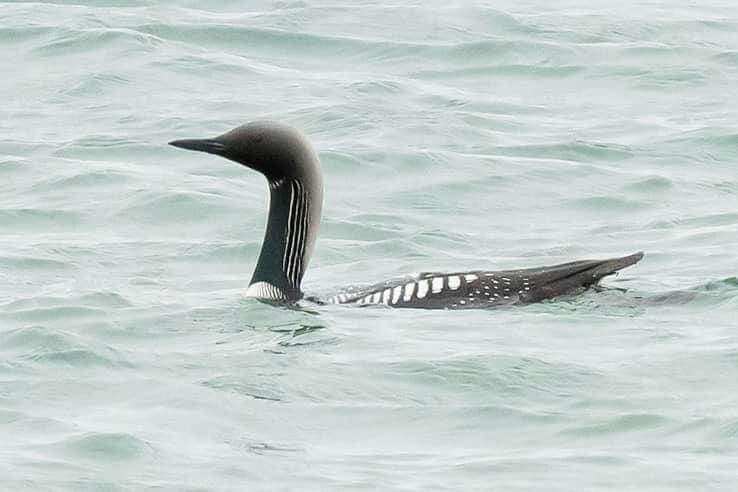
As is so wonderful about Shetland, this season’s highlights came in all forms – feathered, finned, furred and flowering! We enjoyed some wonderful wildlife, with our team always doing the utmost for everyone and all levels to enjoy each encounter. On the birding front there was plenty of entertainment through our target, Shetland iconic, (and of course, the common) breeding birds but also many surprises. From the excitement of discovering Britain’s twelfth ever Pacific Diver on our Spring Birding itinerary through a whole host of vagrants enjoyed throughout the season, there was much to be learned and enjoyed.
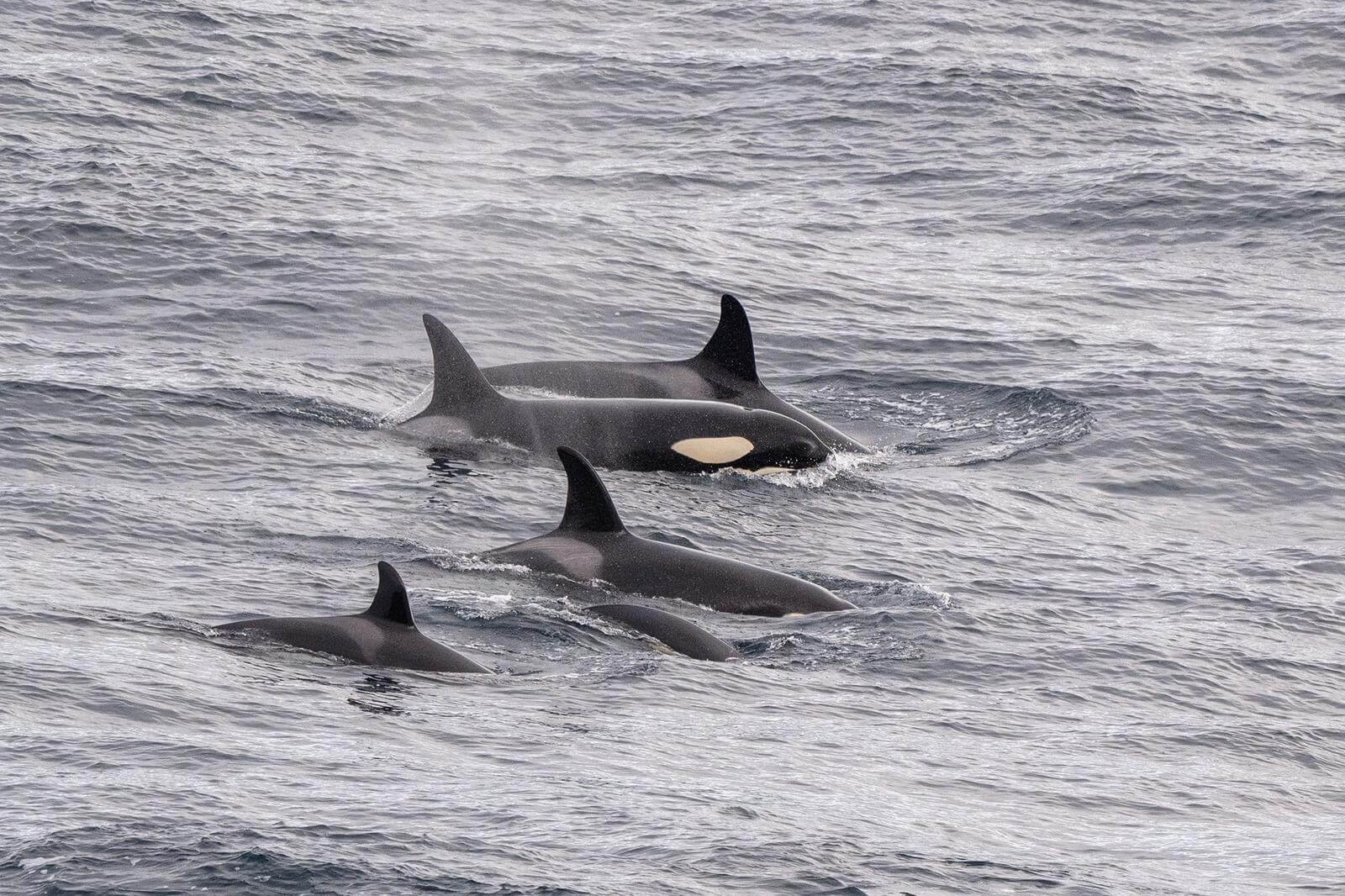
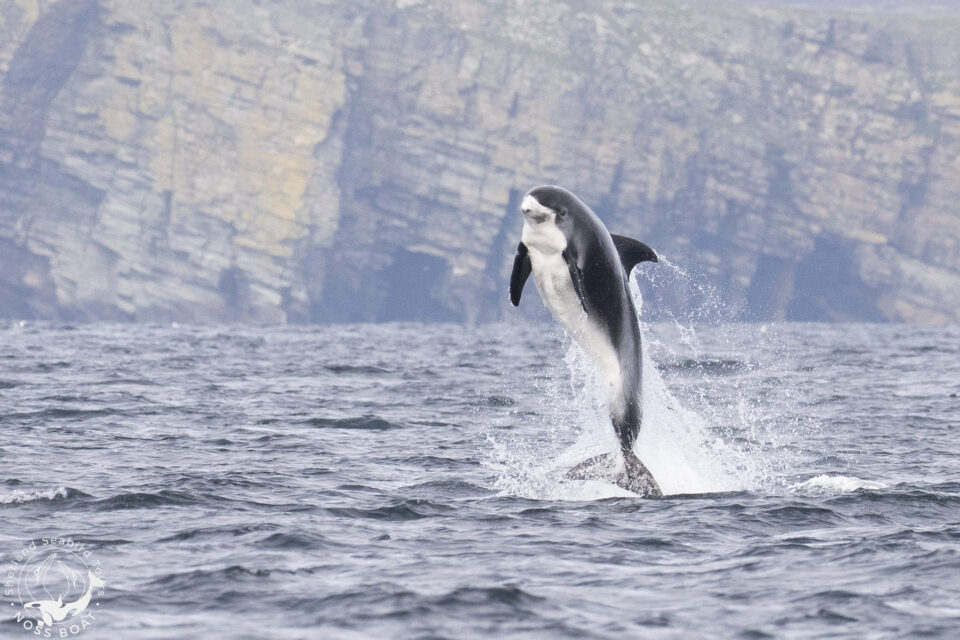
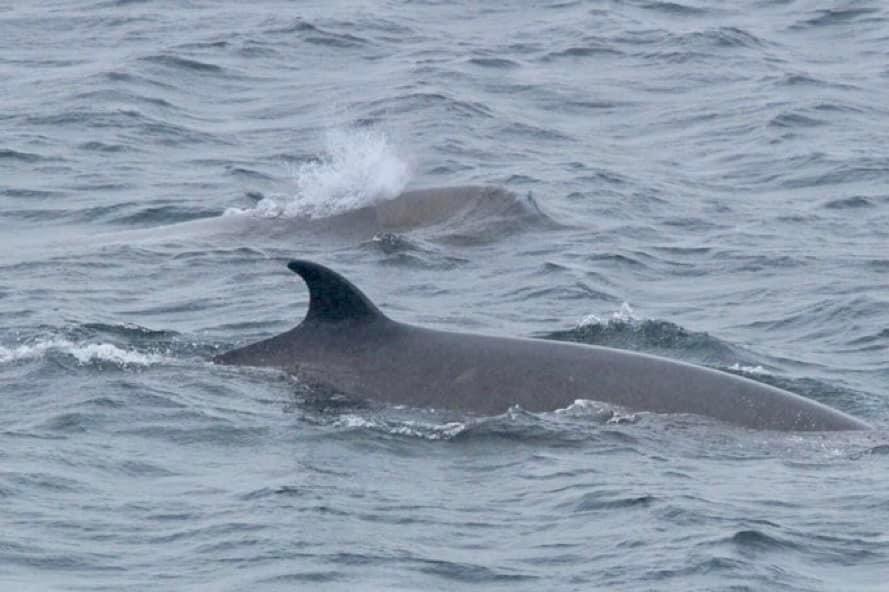
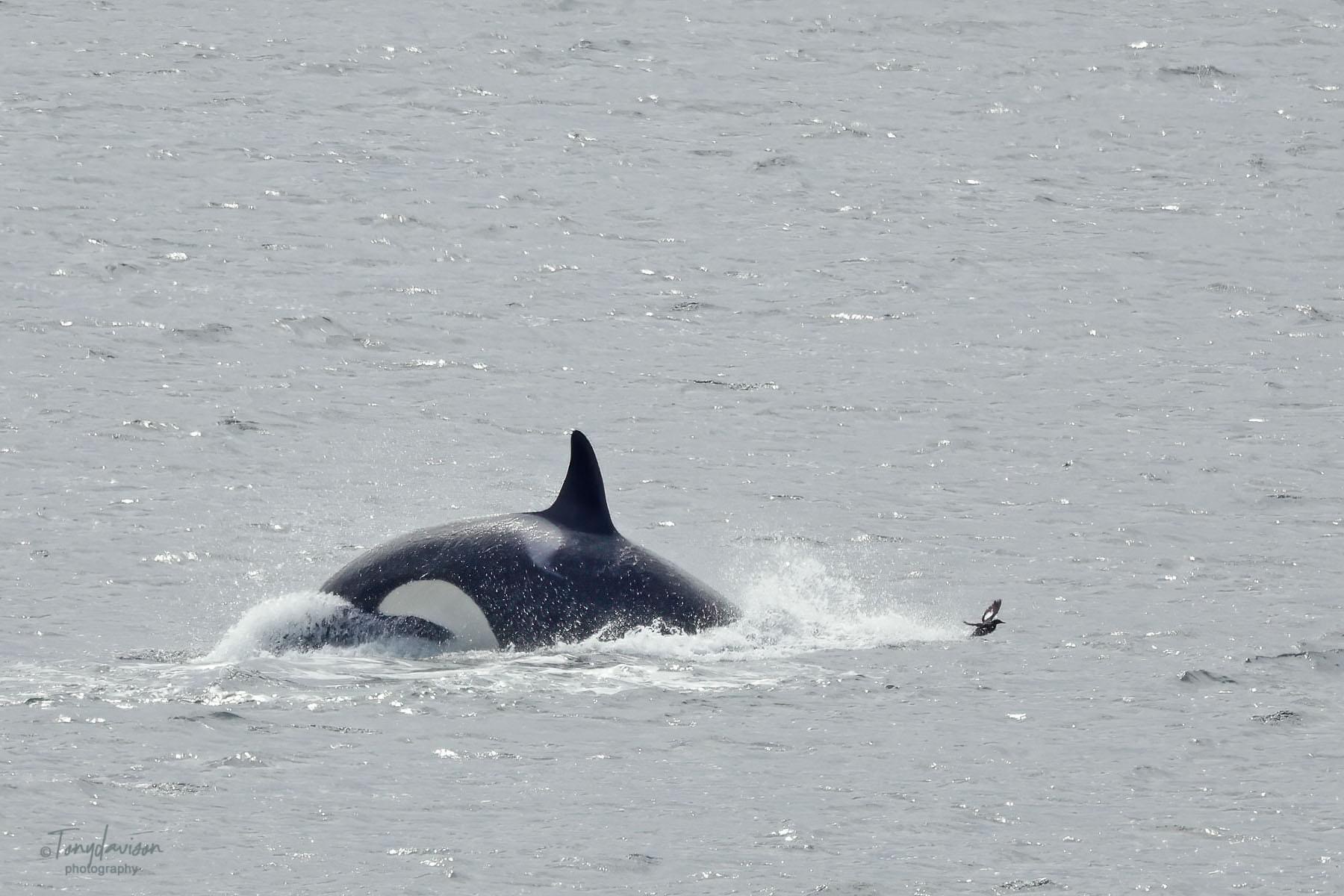
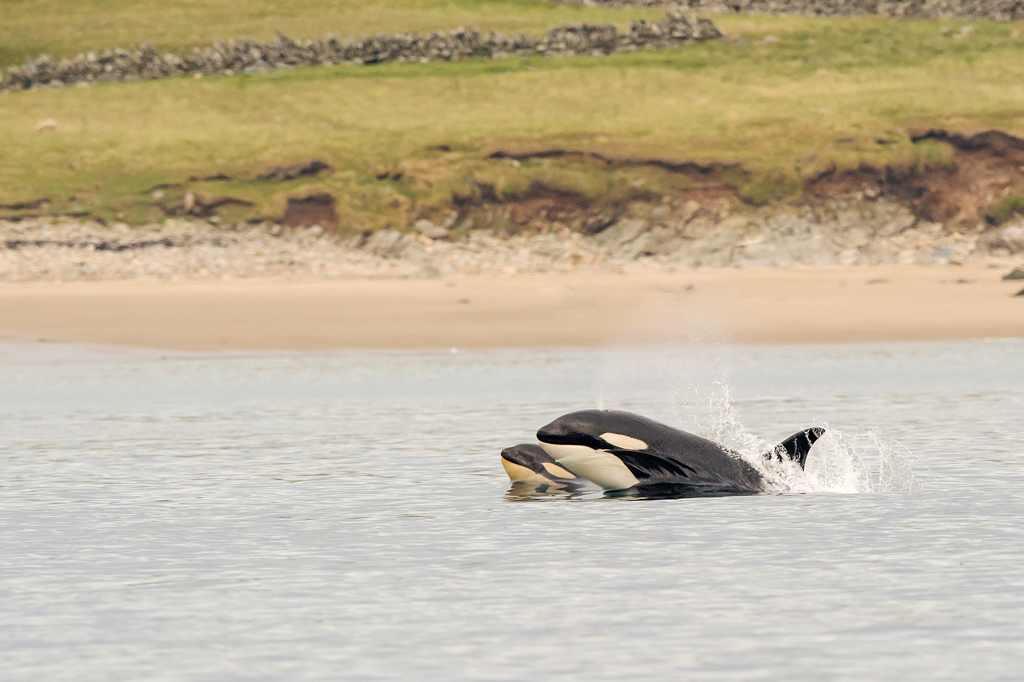
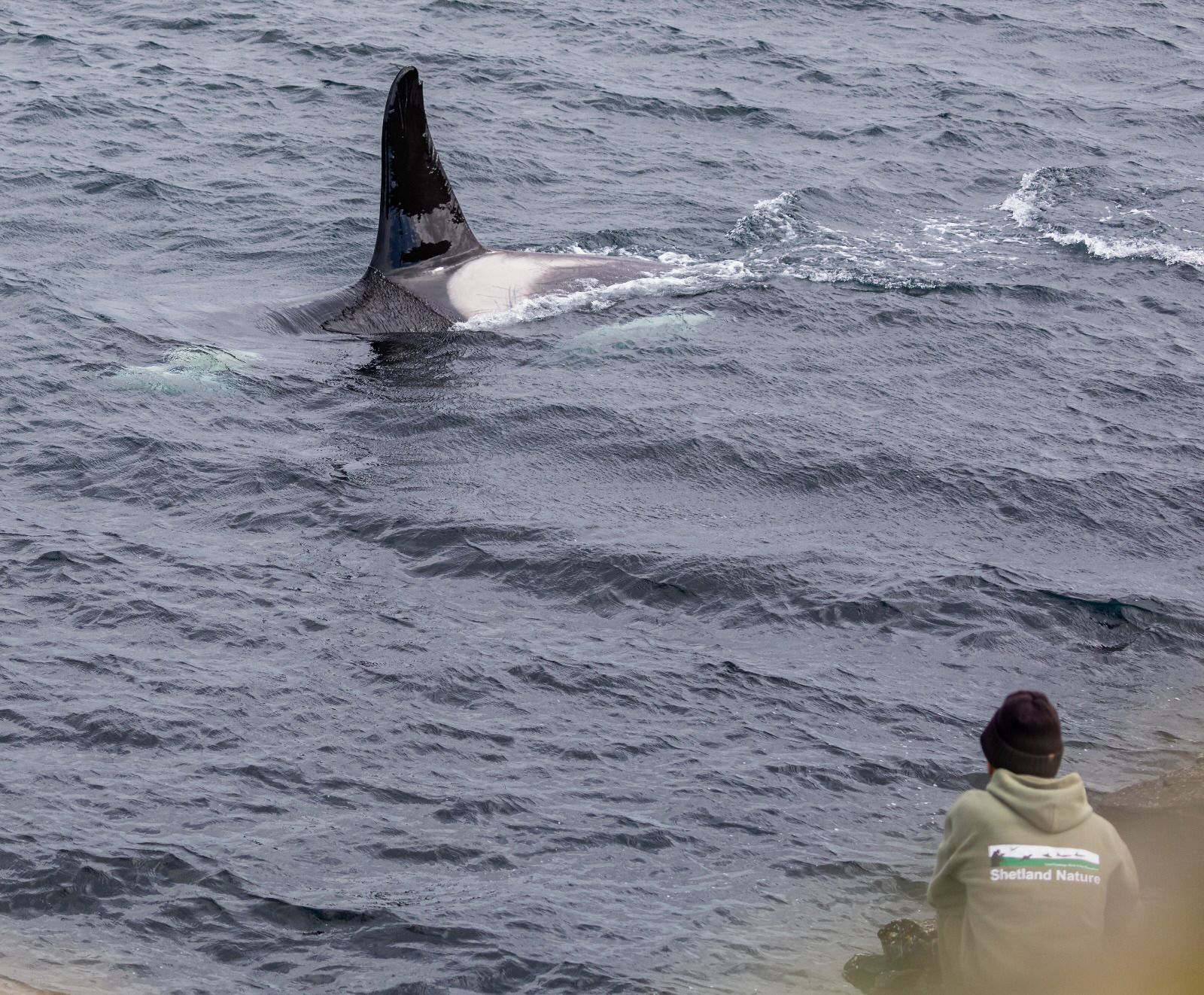
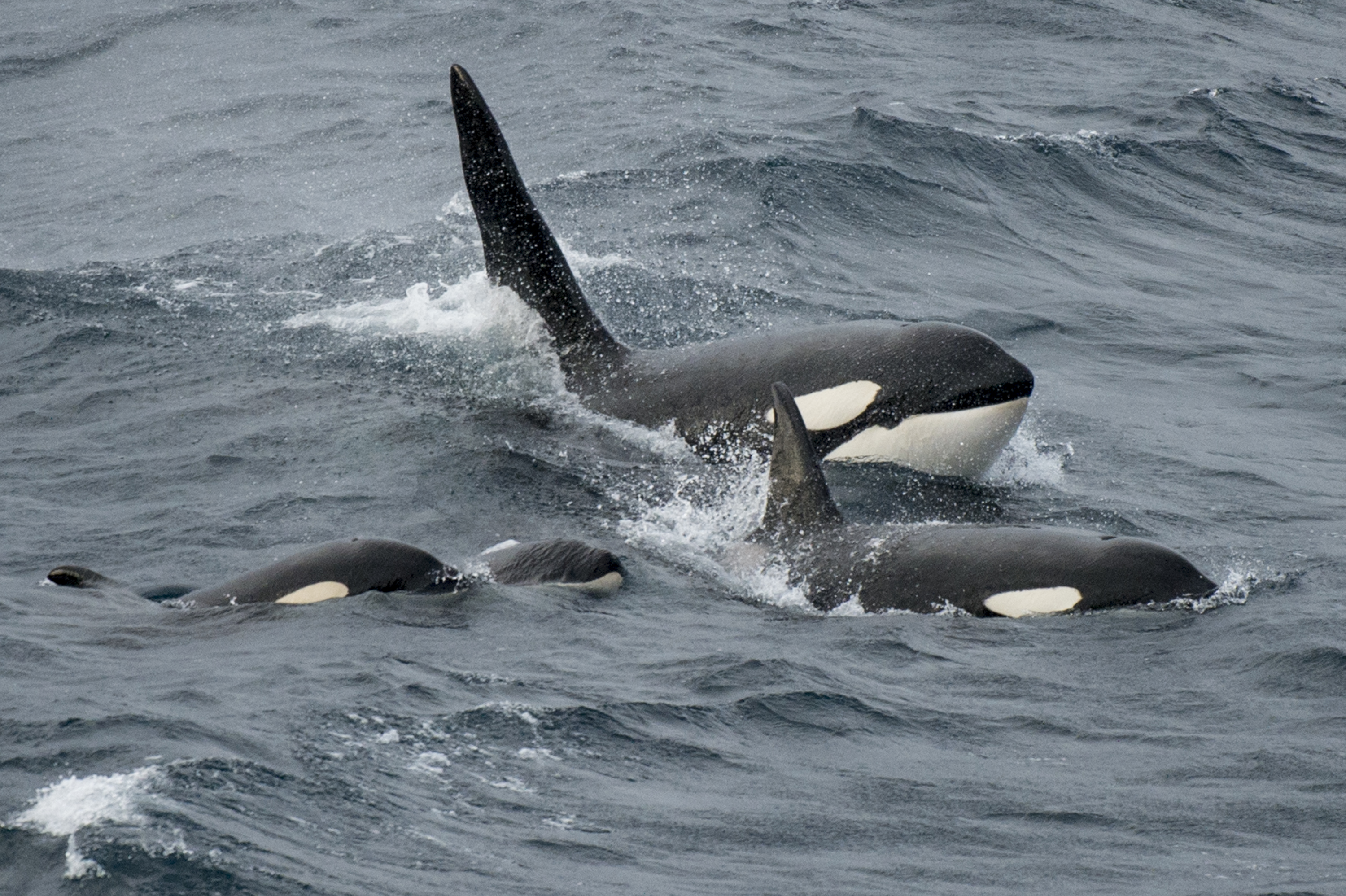
It has been a great season for cetaceans, with many memorable moments, particularly with the most wanted, Orca. We felt truly privileged to enjoy encounters on so many tours again this season. A much more unexpected sea mammal highlight was a pod of three Northern Bottle Nosed Whales, which were only the second sighting in Shetland’s waters, following our discovery of the first just last year. Humpback were also recorded, with more expected sightings of Minke Whale, Risso’s and White-beaked Dolphin and not forgetting plenty of Harbour Porpoise.
Always seeking to share knowledge across the varied interests of our naturalist guides, we always strive to enjoy many other aspects of Shetland’s diverse natural heritage and enjoyed Nature’s more intricate beauty, from botany to bugs – even exploring some lichens and fungi!
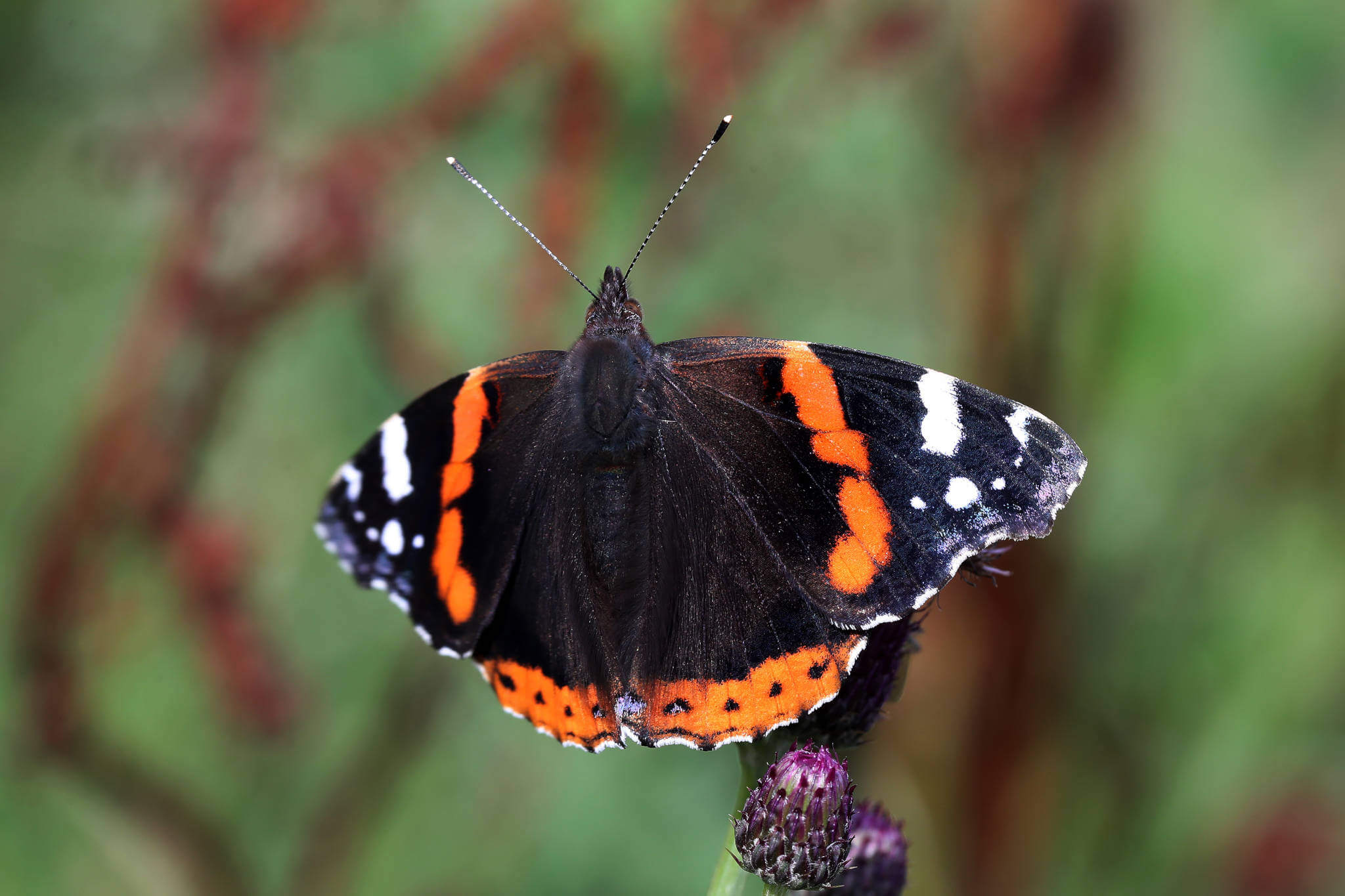
Red Admirals arrived in Britain this summer in vast numbers, and Shetland enjoyed its fair share of the influx, with many hundreds seen daily during the peak of this impressive migratory event.
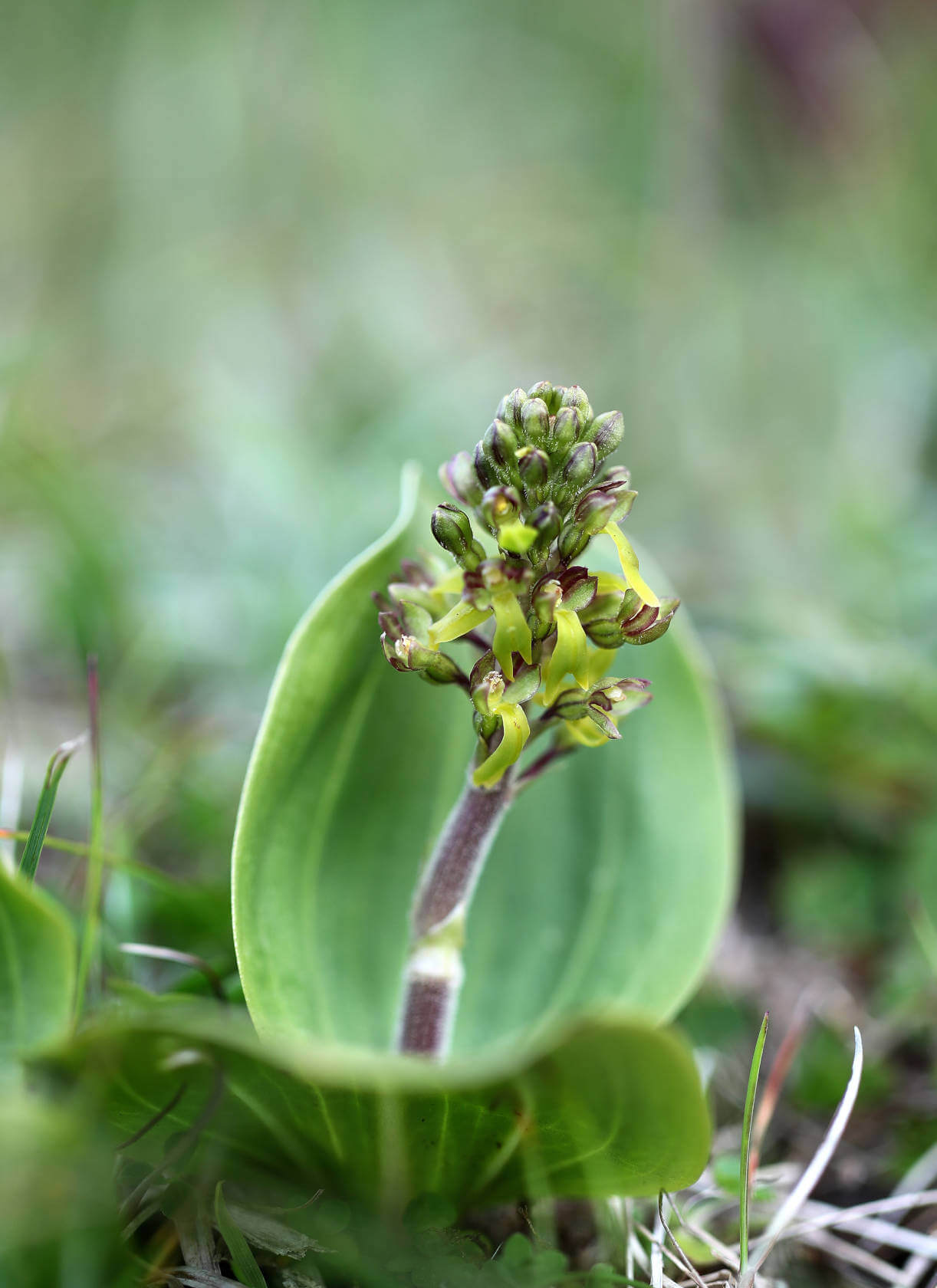
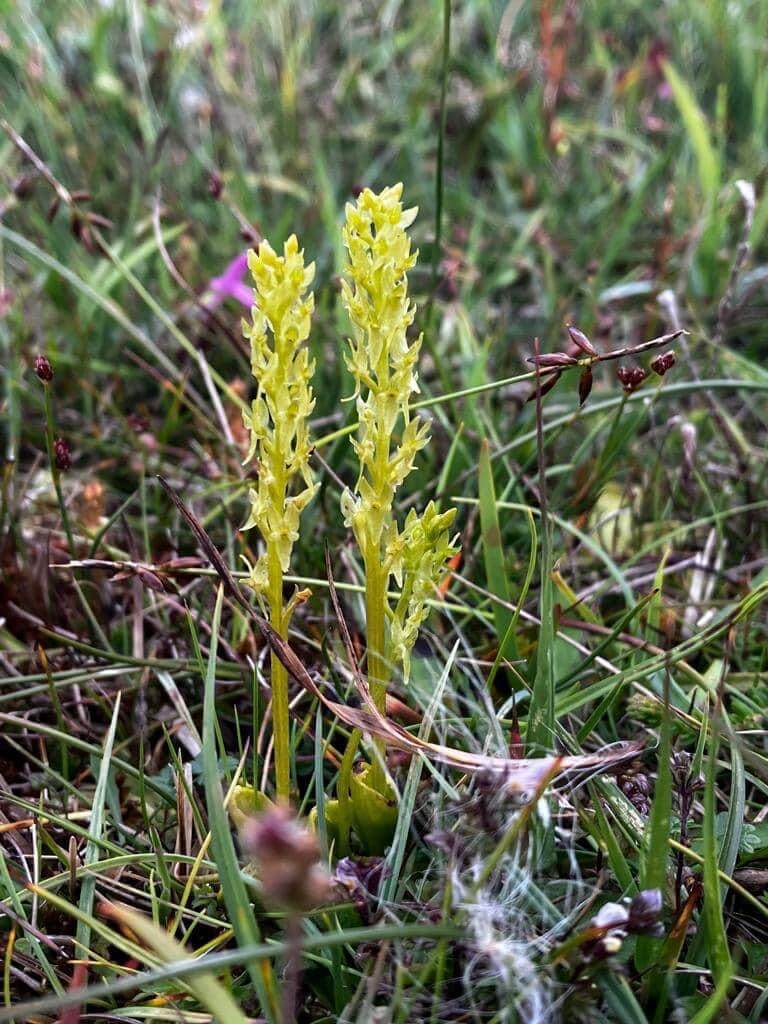
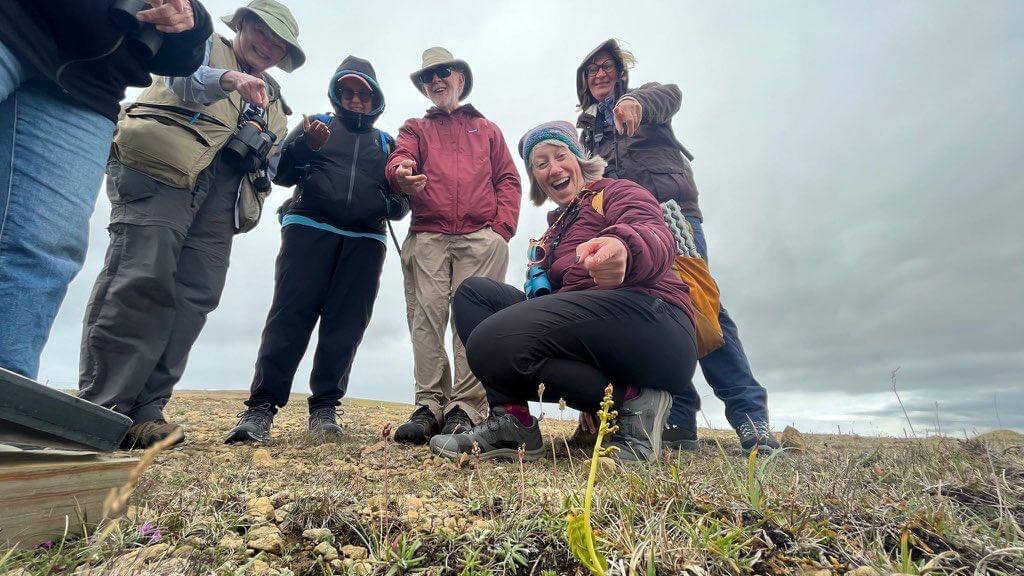
Jon discovered Shetland’s second-ever record of Common Twayblade, an orchid that is anything but common this far north in Britain. Or maybe it’s always been here, and just overlooked – it flowers very late in the season, so perhaps it’s gone unnoticed for decades. We’ll be keeping an eye out for more in 2024.
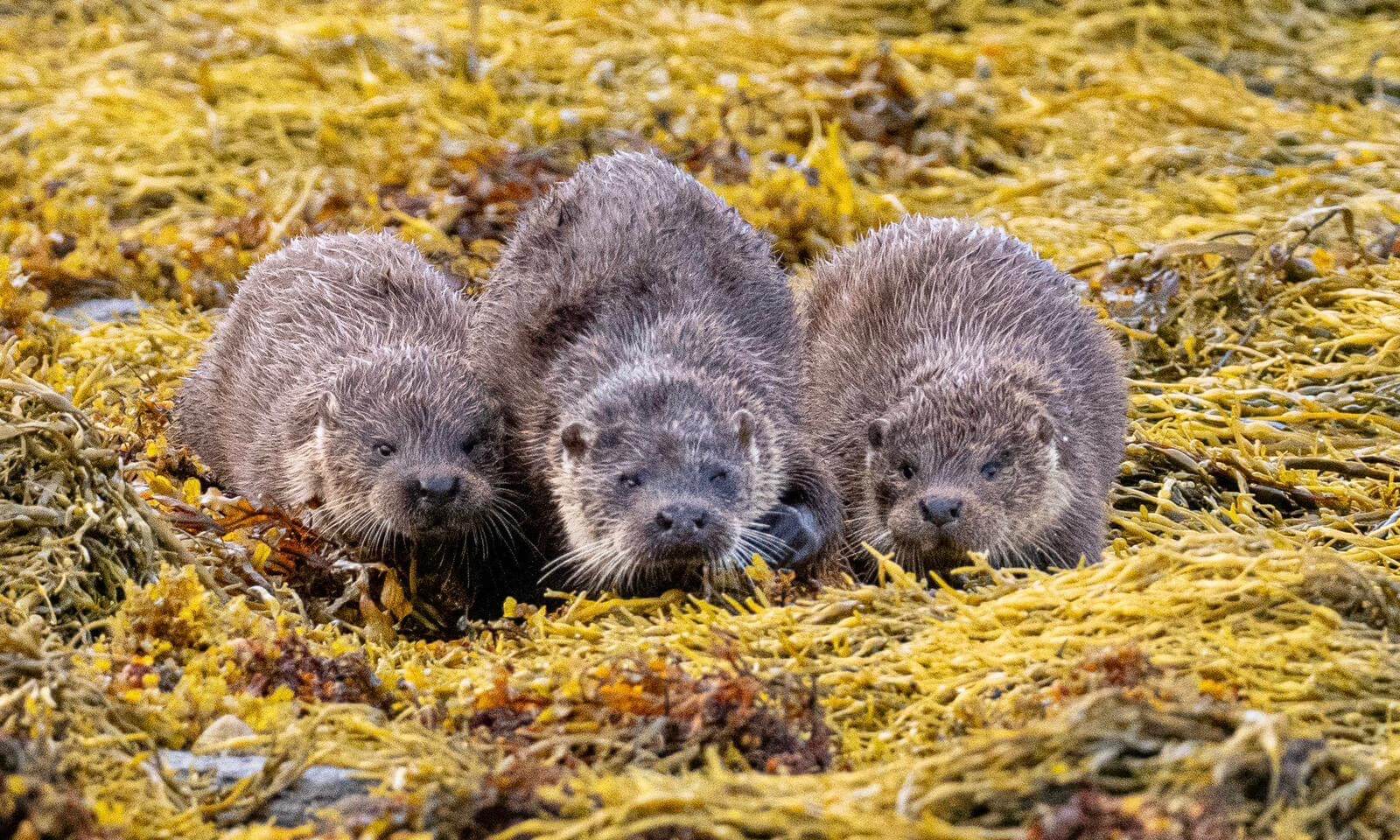
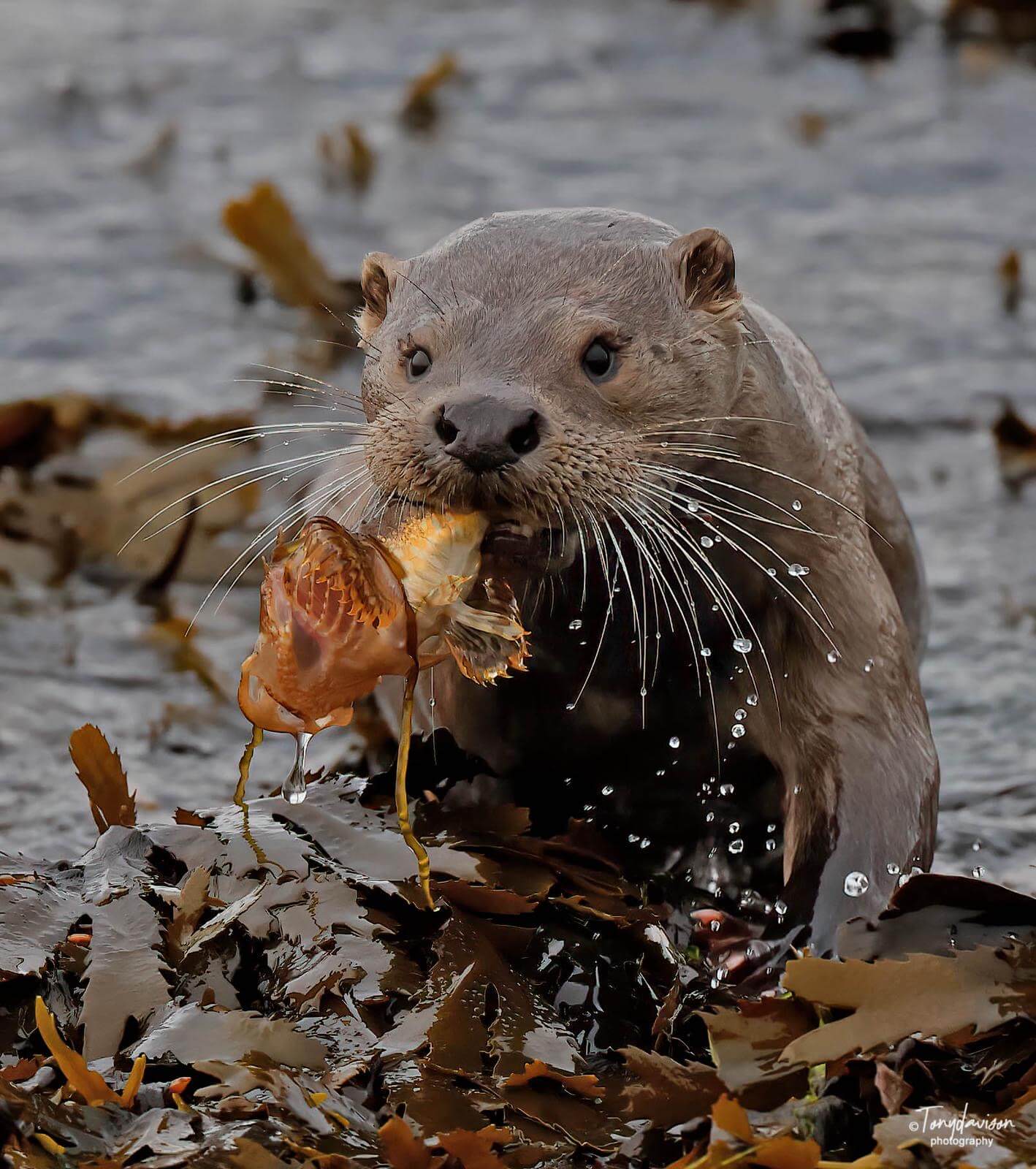
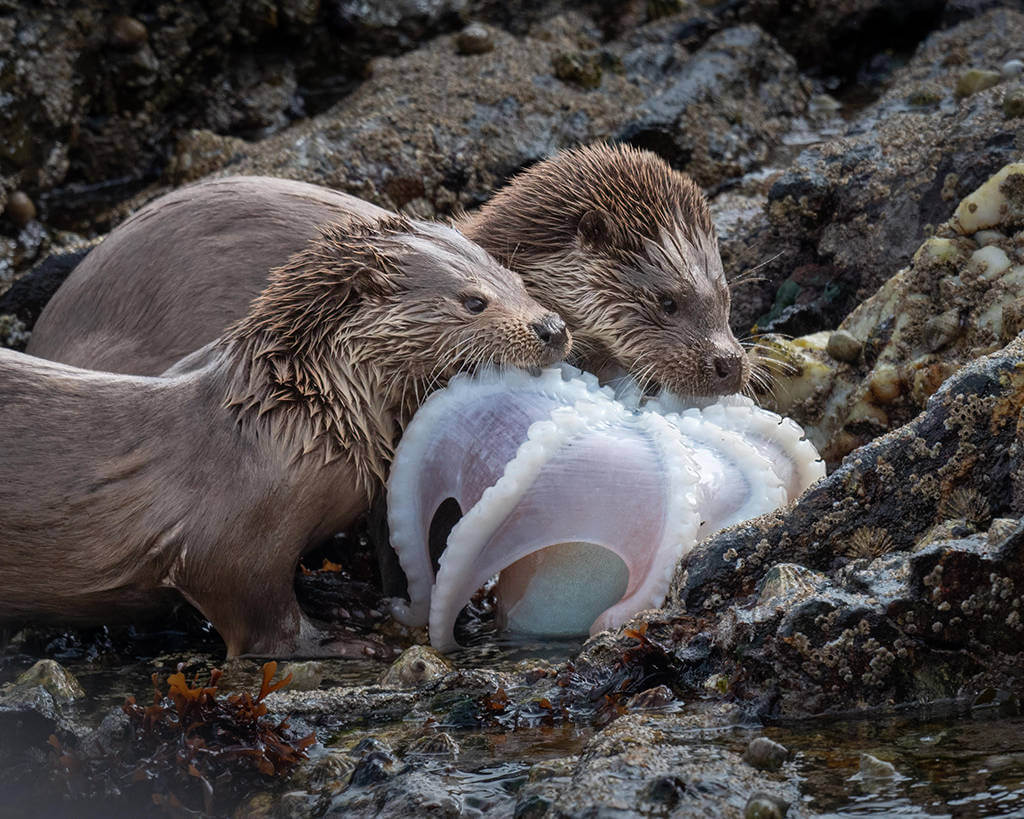
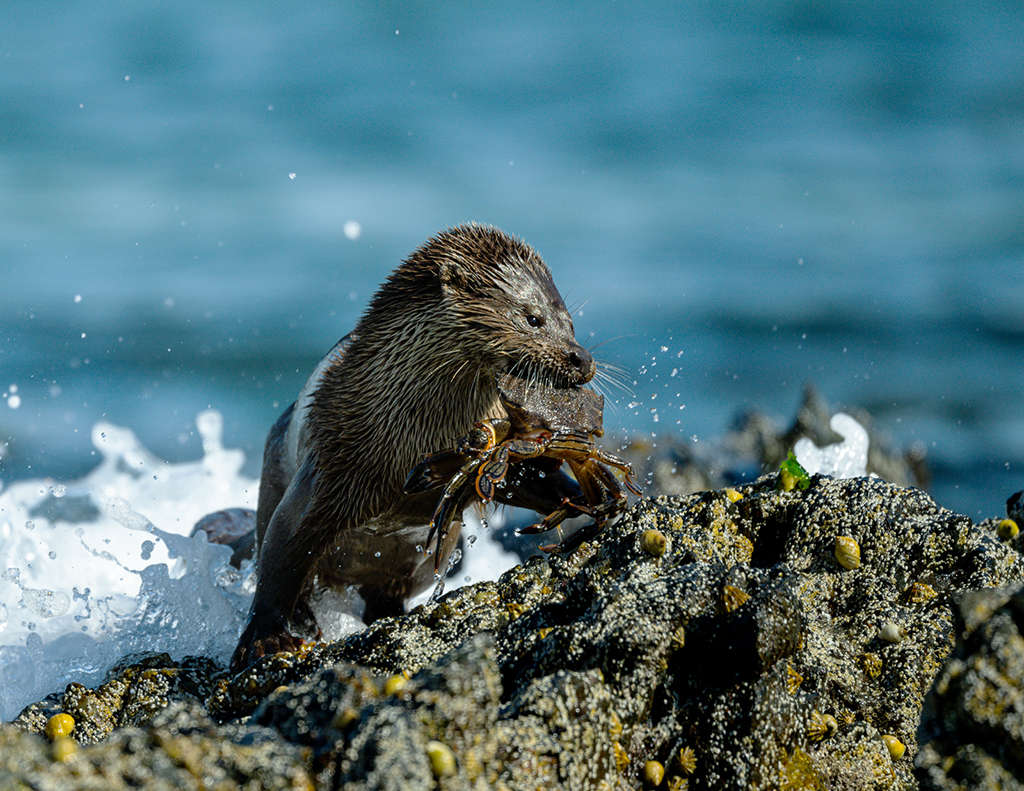
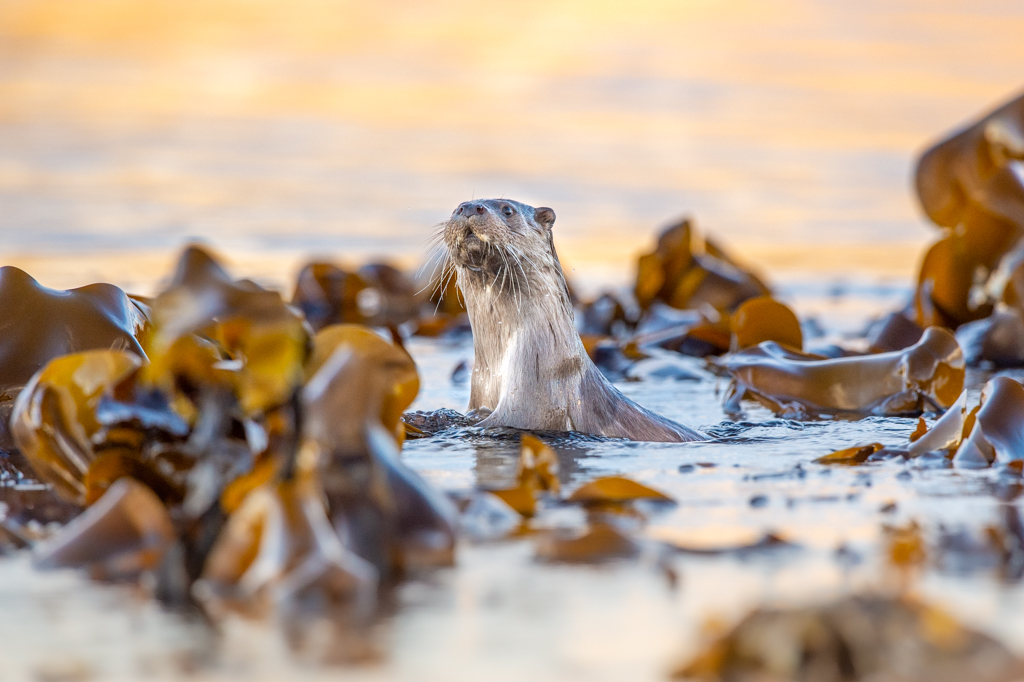
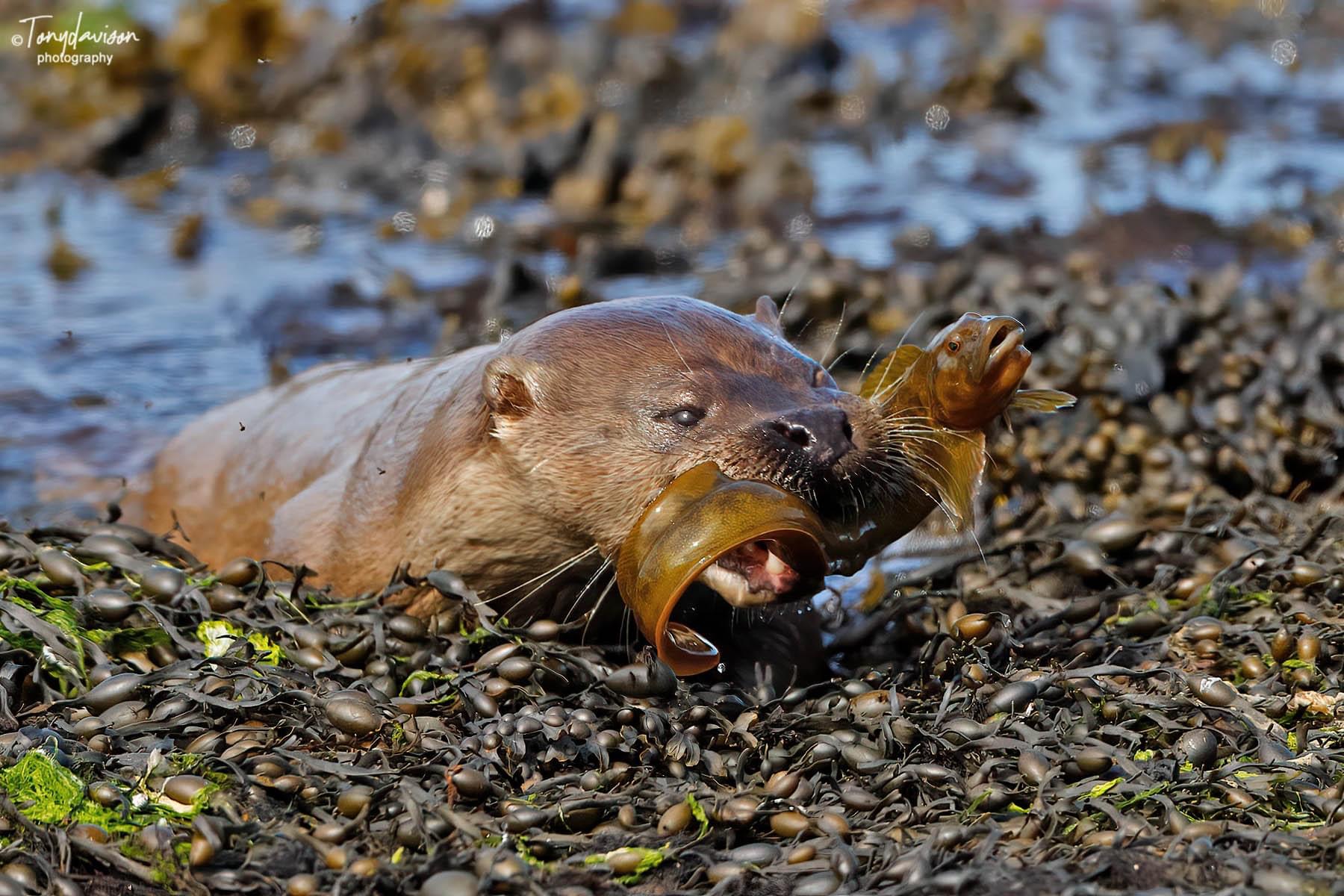
But as always, it has been Shetland’s Otters, and the encounters and overall experiences we offer that have enthralled the most. Otters are absolutely the species we are best known for and true to form, this season was no exception. We are proud to say that encounters were enjoyed on all our dedicated Otter day tours and photography assignments as well as our week-long core season holidays. What better way to share this than through just some of our tour participants images.
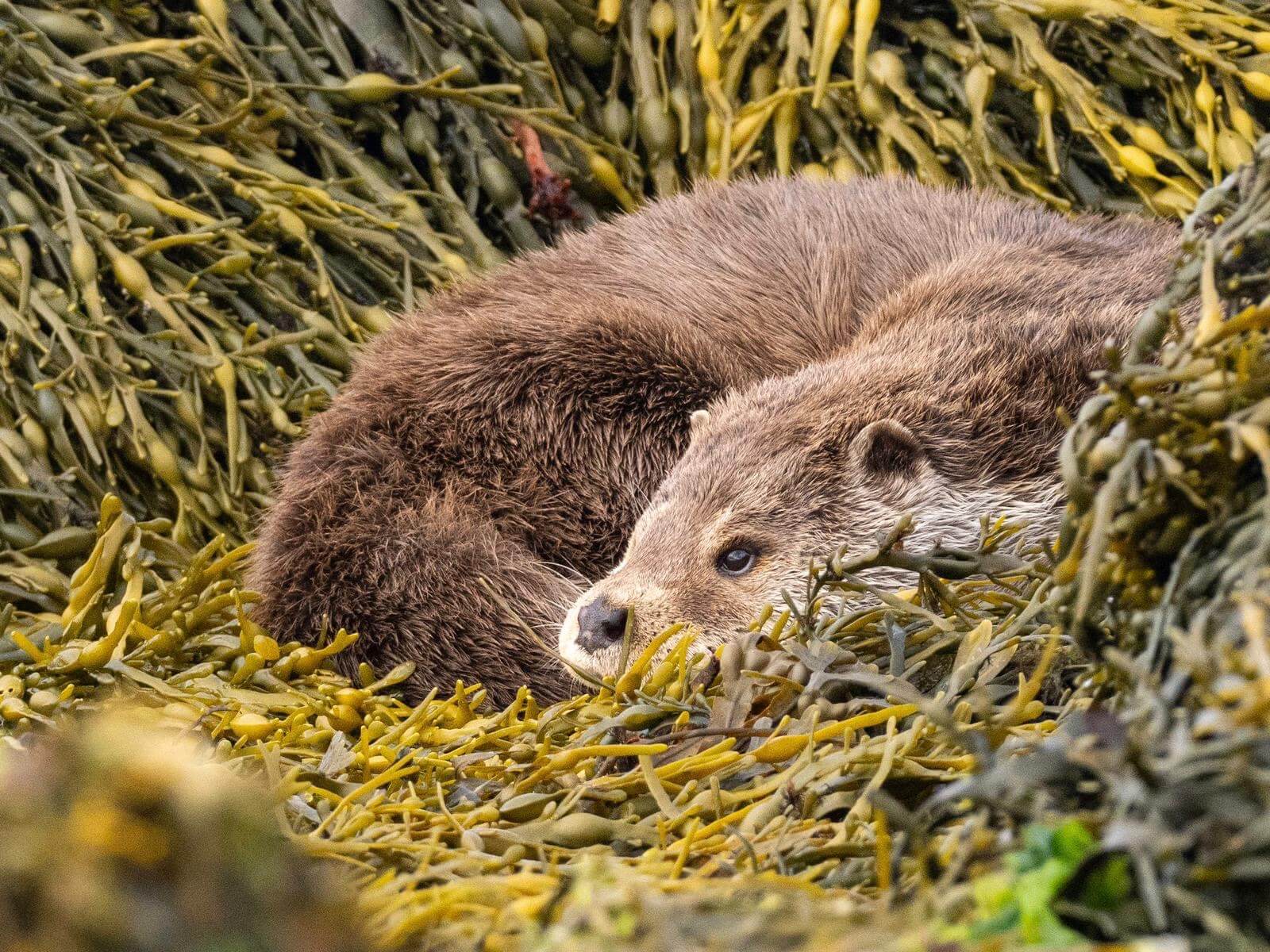
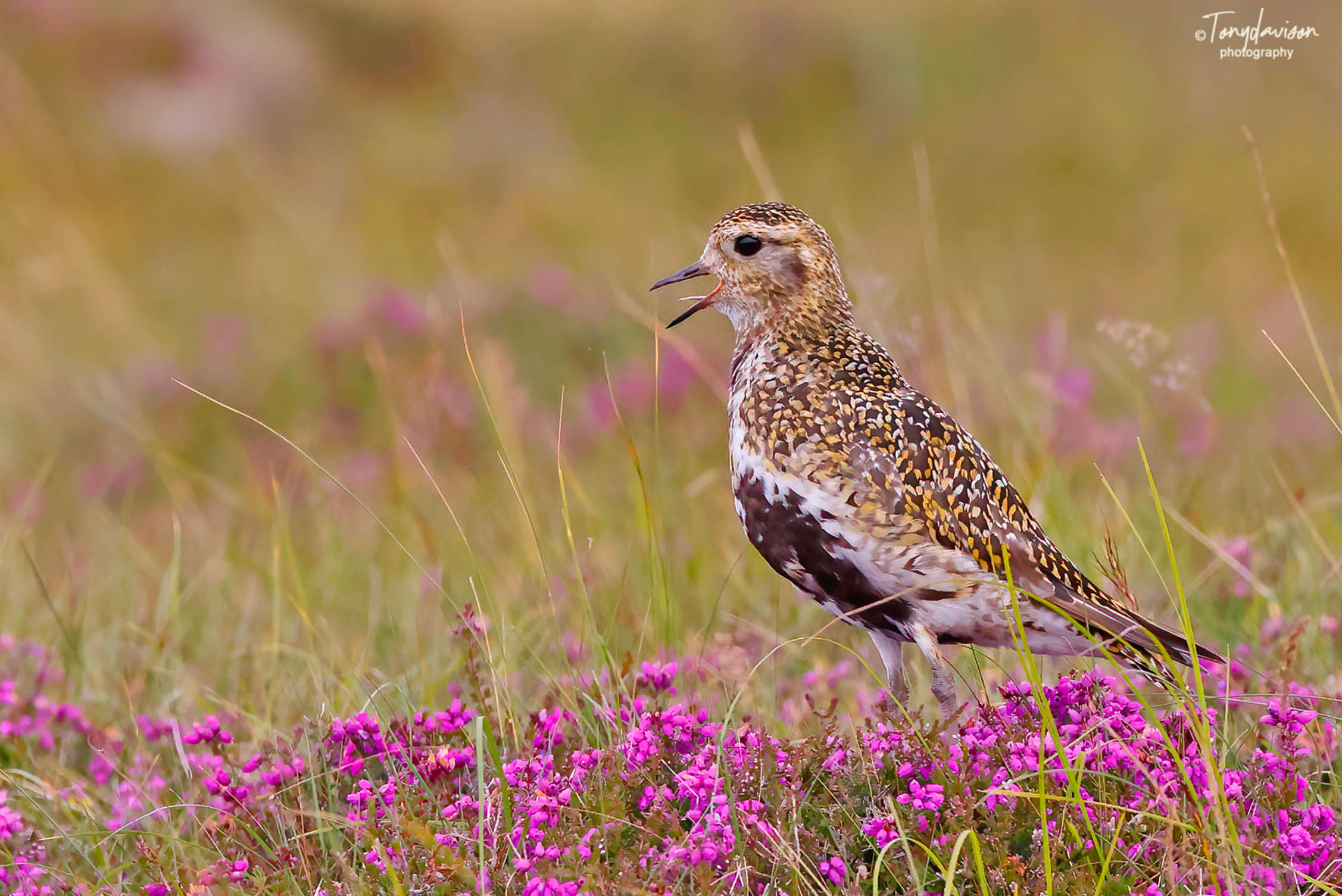
Tour participants otter images by Kenny Ramsey, Tony Davidson, and Stuart Hardy.
Our featured celebrity tour collaborations
It was such a pleasure and laugh, (for us and our guests!) to have Iolo Williams and Kate Humble continue to collaborate on their own tours with us. For Iolo, this was his sixth itinerary with us and although it may have been his last tour with us here on the isles, watch this space for a new venture we are working on together…
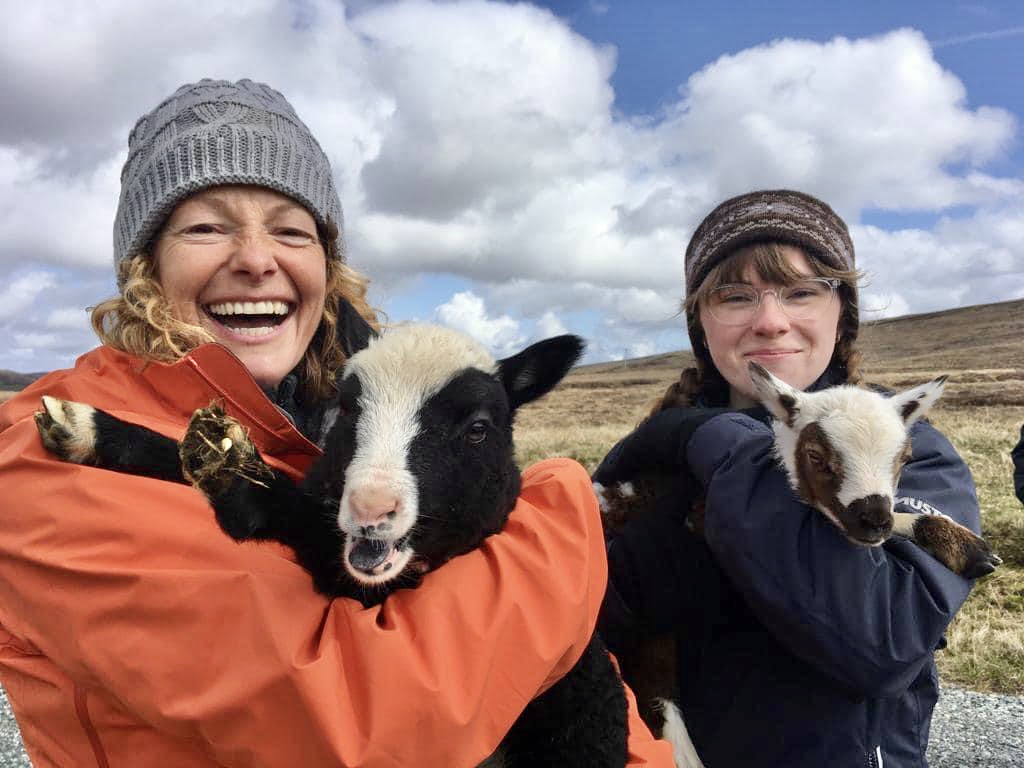
It was our second year running our Wild and Woolly Tour with Kate in early spring and we are already looking forward to next year’s trip. But, we also have a new tour launching in January 2024 for Up Helly Aa, which before we have even uploaded it, is already fully booked!
Continued FIVE STAR Visit Scotland accolade awarded
 Having first been awarded the prestigious Five Star Wildlife Experience accolade by Visit Scotland in 2014, we are very proud to still continue this top level of tour experience. We are graded, via a ‘secret shopper’ every other year, never knowing which tour, when or who will be leading. Several of the team have unknowingly, (until after their tour) have had the responsibility, starting with Brydon in 2014, with Gary Bell, Martha Smith and now this year, Jon Dunn doing us, themselves and Shetland proud – massive thanks to them all for maintaining such a high level of experience and care to our tour participants.
This feels like the perfect time to thank our team of outstanding tour leaders and naturalists, amongst which there are a couple of new faces including Pete Ellis, Dave Pullan, Tesni Ward, Laurie Goodlad, Colleen Flaws and Glen Tyler. Massive thanks especially to our core team Josh Jaggard, James Rogerson, Jon Dunn, Paul Harvey and John Moncrief, extended on to David Tipling, Kevin Morgans, James Tait, Chris Dyer and Chris Roger. And of course, keeping us all on track, Susanah Parnaby our office manager. Without the efforts and expertise of everyone we would not be the company we are, or offer the experiences we do. Thanks guys! Christmas party promised….
On a similar note, you can check out our ‘Traveler’s Choice Award’ and what our tour participants say on our TripAdvisor page.
Collaborating tour companies
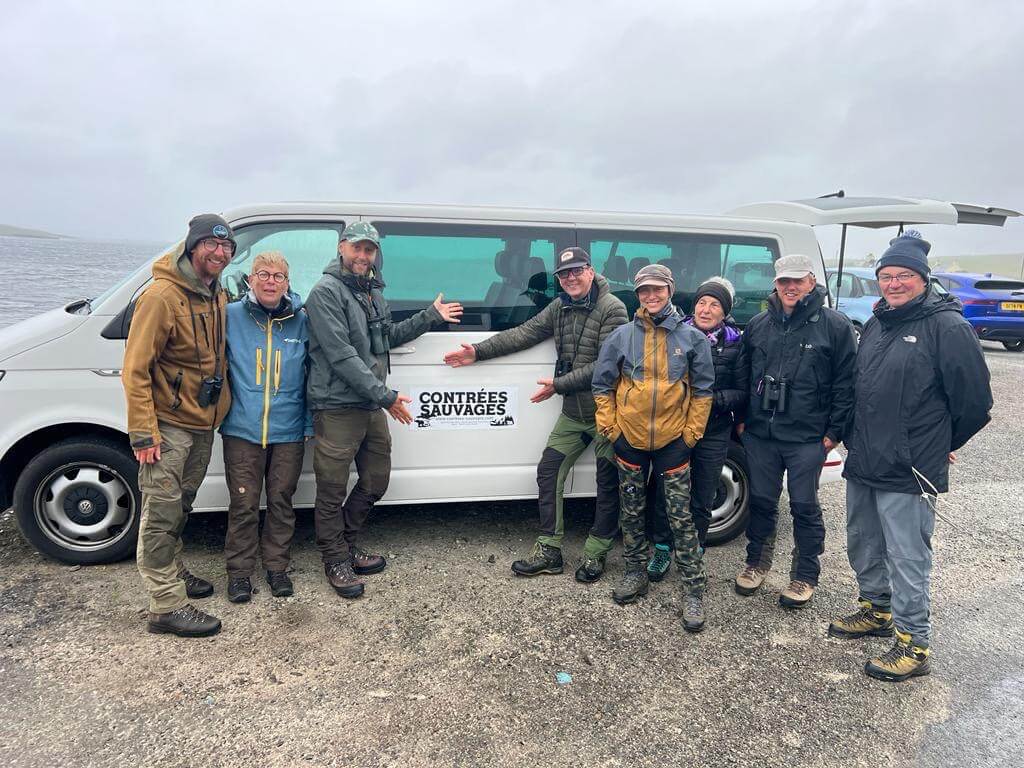
Our collaborative and team spirited approach are hugely important elements to us as a tour company. It was great to welcome Natures Images, Yorkshire Coast Nature and Contrées Sauvages as well as new collaborators, Zoom Photo Tours and Wildpix Travel and are very much looking forward to continuing these and further partnerships from Spain, Austria and Germany in 2024.
Should you or your organisation be interested in something similar in 2024, be your interest Birdwatching, photography or cultural heritage, we would love to hear from you contact us.
Supporting Rewilding: Scotland The Big Picture & Carbon Neutral Britain
Accommodation & Excursions
Probably the most important element to the experience we offer is our accommodation providers, staff and hospitality and so we once again say a massive thank you to everyone at The Sumburgh and St Magnus Bay Hotels who both go above and beyond on every tour, as do Gord Guest House on Fetlar, for everyone – thank you all!
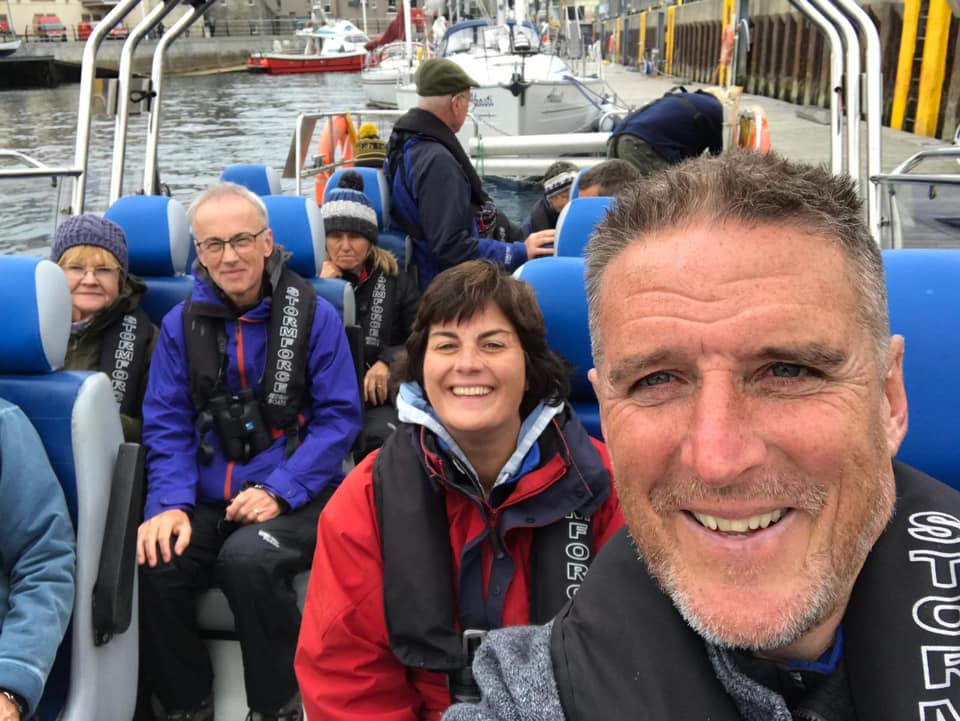
Equally, the boat tour excursions to both Noss and Mousa truly are exceptional. We are extremely grateful to Shetland Seabird Tours and Mousa Boats – their seamanship, knowledge and enthusiasm make every excursion a standout highlight – thanks guys!
And for smaller group tours we are so appreciative to ‘the Janes’ for their outstanding cuisine and hospitality, BoordaNoost Lodge for such a wonderful venue and the many other accommodation providers we have used this season.
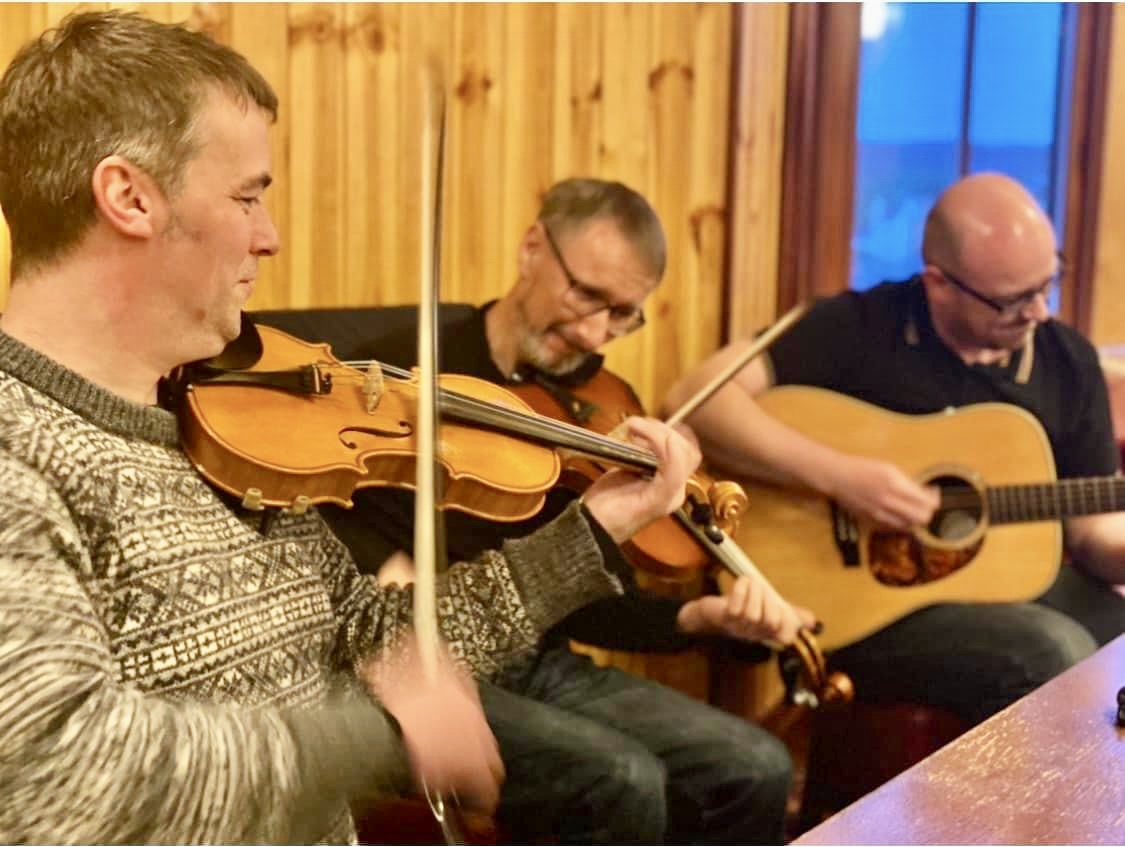
And last but by no means least, Shetland Rural Experience, Burra Bears, Joanna Hunter Knitwear and Hjaltadance for many a fine tune and enthralling yarn!
Book your Shetland experience for 2024
We are already looking forward to 2024, and the encounters, and experiences it brings – we hope you will be among them! Get in touch or browse our holidays and photo tours to find the holiday that suits you best.
New Book
And lastly, I have some exciting news. After many, many years in the making, my new book ‘WILD SHETLAND – THROUGH THE SEASONS’, will be out in November. All going well and on target, publication date should be 18th November. I shall share more information and details in a blogpost and on my social media over the next week or two – but it will be out in plenty time for Christmas!
Permalink
Review of our revamped Shetland Summer Photo-tour
Posted by Josh Jaggard on Friday 29th September 2023 | News
Each season the interest in our photo-tours and the opportunities we offer for visiting photographers continues to grow. With new collaborative tours and working relationships from overseas operators, this summer was particularly exciting- and especially busy. New for our 2023 season we also mixed things up with our own flagship summer itinerary. And what better way to do this than with a gallery of participants pictures.
By halving group size, changing to one exclusive venue on Unst and providing private catering, we took our already very successful summer itinerary to a whole new level. For better logistics and to maximize our opportunities at Hermaness NNR especially, we based ourselves at the very comfortable and idyllically situated Bordanoost Lodge in Haroldswick, with exclusive booking for the property each week. The itinerary still, of course, features the very best locations throughout the isles.
With exclusive booking of the property and being able to choose mealtimes to suit our assignments and itinerary, we are now fully able to maximize our time in the field at times that are best for the images we want for our participants. A group size of just 3-4 made for a much stronger social group dynamic and feeling of exclusivity that also allows for a more hands on approach in the field.
Size Matters
One of the most significant benefits of our smaller group size was the opportunity it gave us to enjoy the more intimate encounters with shyer species such as the Otter. Although our more conventionally sized groups work well, with two leaders, separating into smaller groups for a chance to focus on Otter for a day, with this new tour we are able to target Otters more often- on more than one of this seasons tours we photographed them every day, some days for an hour, some days for several.
The small groups also allowed us to cater to individual needs. Whether our guests sought guidance with their cameras, composition techniques, or experimentation with new photographic approaches, We were able to give more our our time in the field to each individual. For those who needed less guidance, it meant more time to scout for the perfect shot and facilitate any specific shot they wanted.
A Home Away from Home on Unst
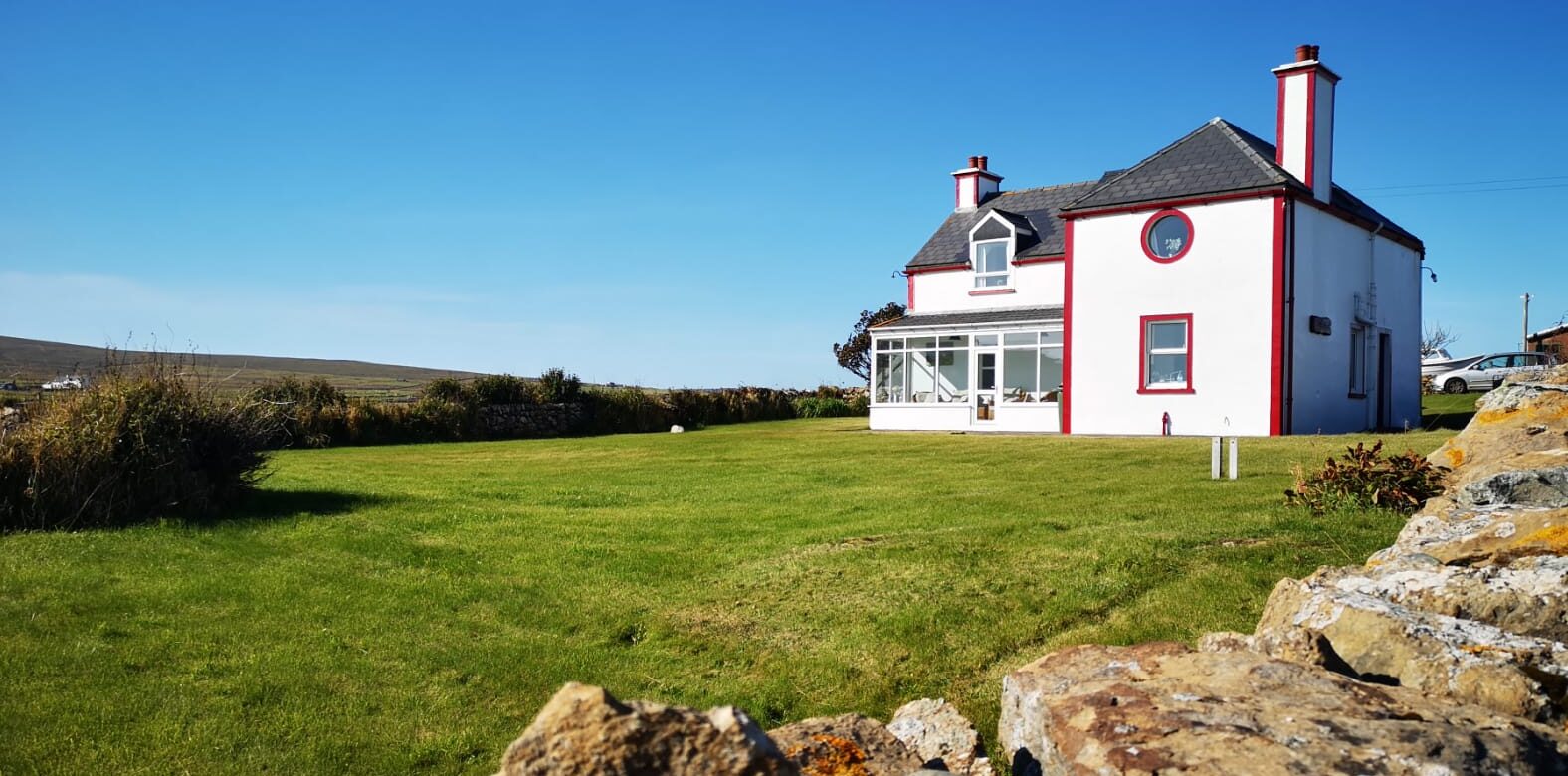
The change in location to Bordanoost Lodge on Unst from hotels on mainland was a game-changer. Here, we had the privilege of calling a picturesque bay our home for the week. The property is very well decorated and furnished, with three spacious on suite double/twin rooms. For the private catering we called in two exceptional local cooks who cooked up delicious dishes using fresh, local produce. Our mealtimes weren’t dictated by a clock; instead, they adapted to our wildlife encounters. Whenever we were delayed by the wildlife, they were able to put the food on hold until we were ready. When a glorious sunset beckoned, we dined early to make the most of the evening light.
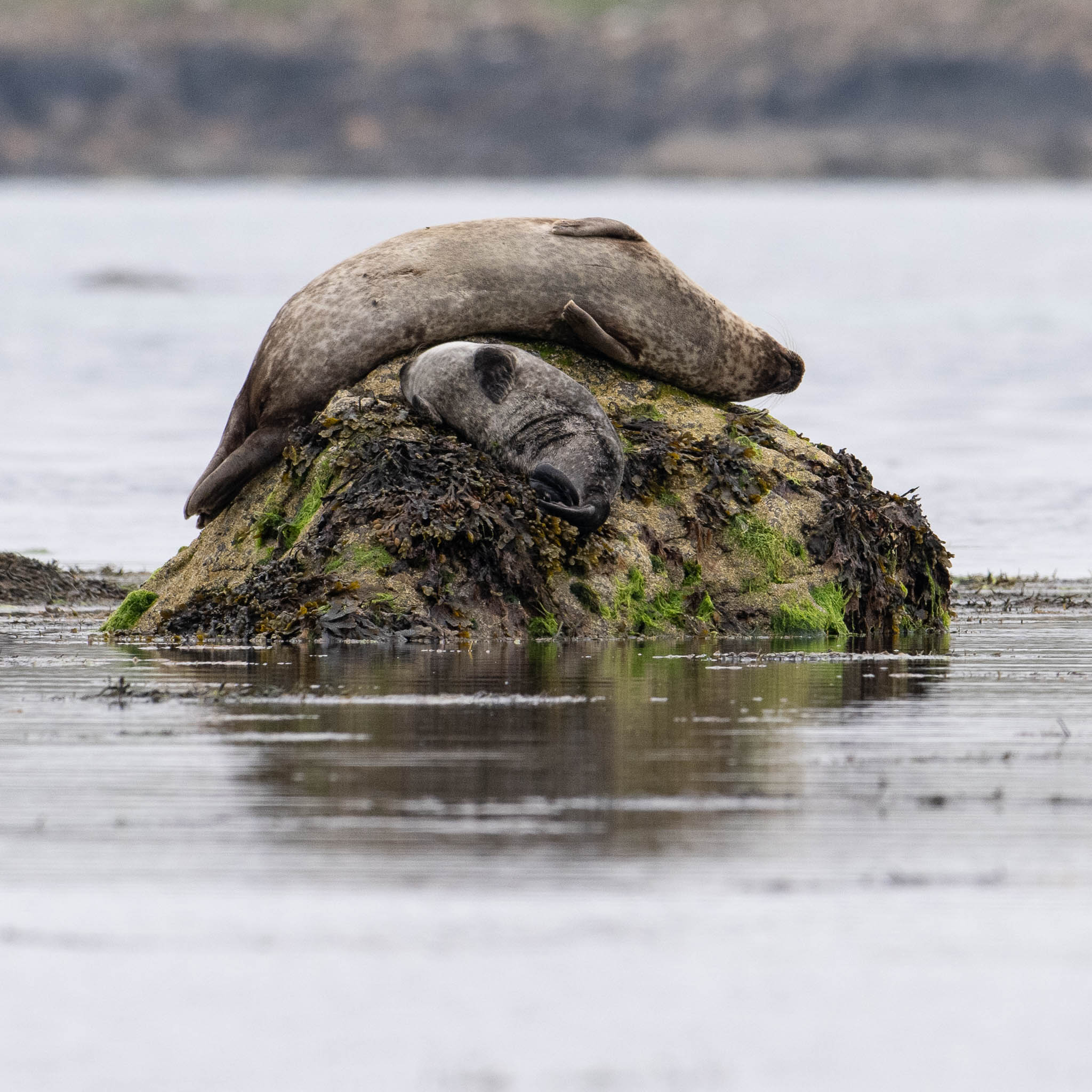
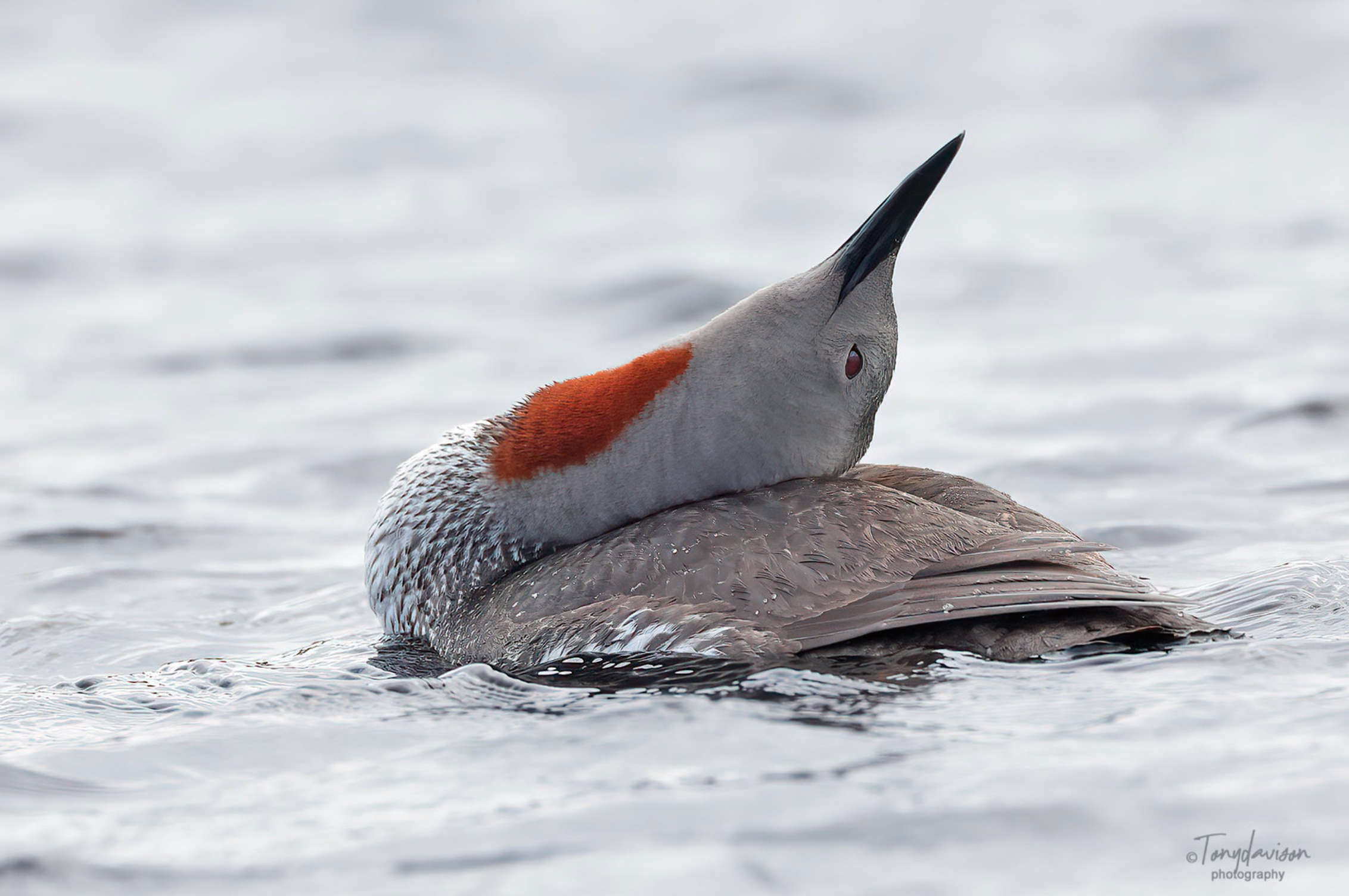
The lodge itself is located on the seafront of a beautiful bay, in which during the season we have managed to see Otters, Seals, Orcas, Minke Whale, Risso’s Dolphin and not to mention Red throated and Great Northern Divers, various shore birds and Common Eiders- many of which photographed on a morning or evening stroll. During downtime, our clients could pop out and see what they could find, ensuring that every moment was a photo opportunity.
This seasons highlights
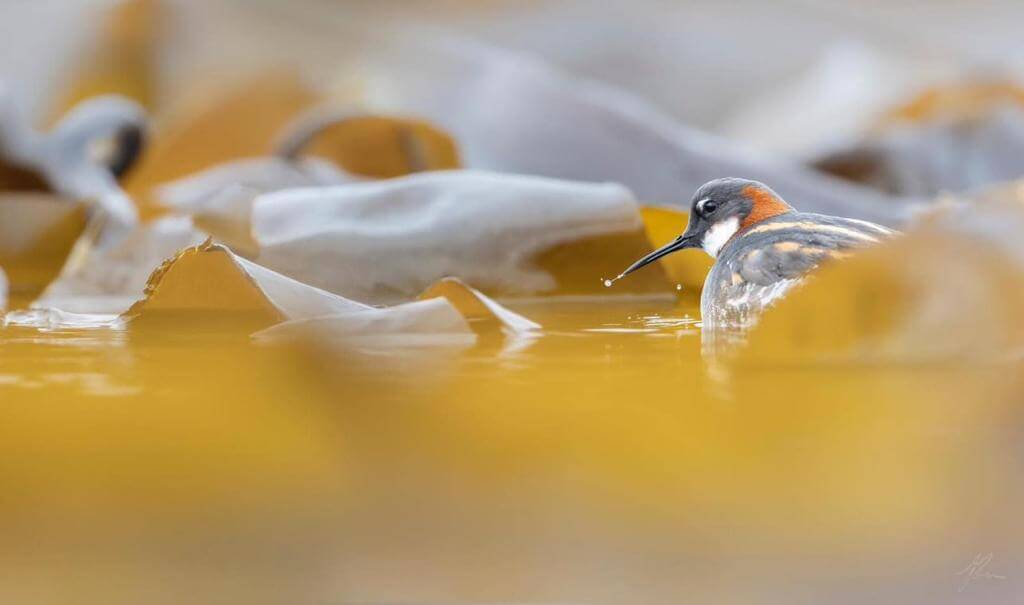
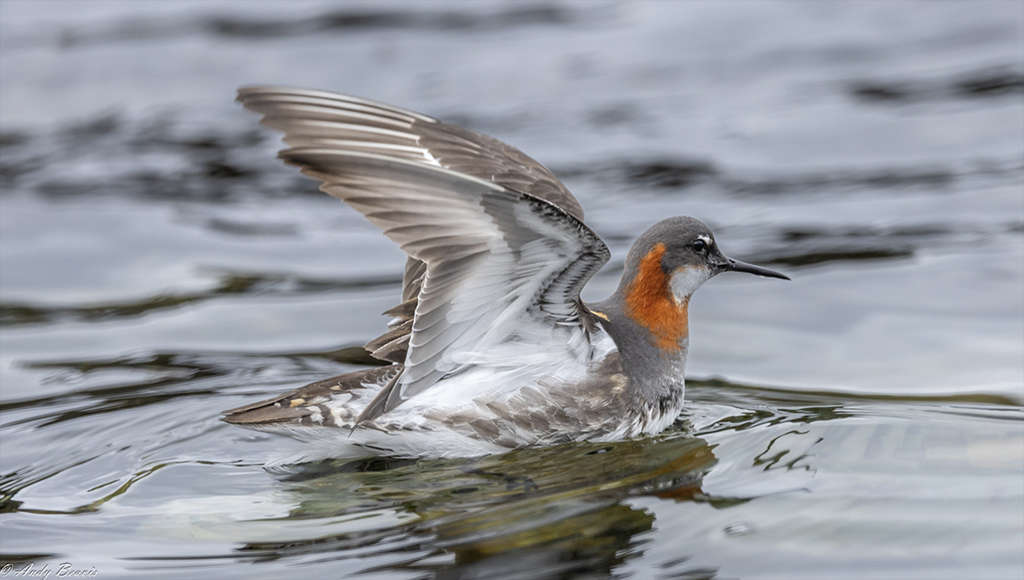
The social dynamic of the groups were fantastic, and we got some incredible encounters every week; from Orcas just 5m offshore, Otters catching octopus right in front of us, Phalaropes at our feet, to thousands of Puffins, shoulder to shoulder on the cliff tops and Gannet feeding frenzies. All the trip managed to photograph all the key species, with just one missing the bonus of Orca.
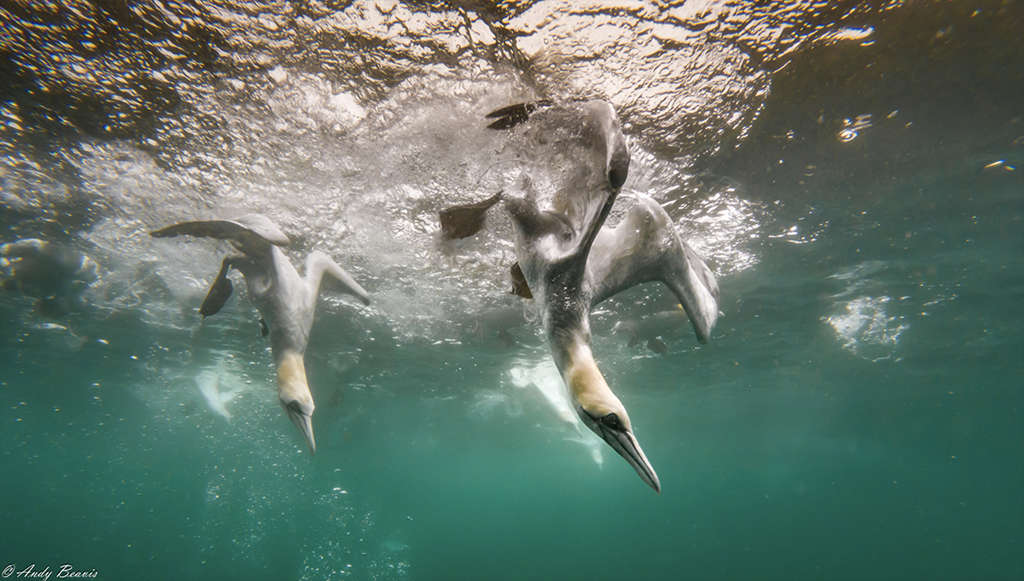
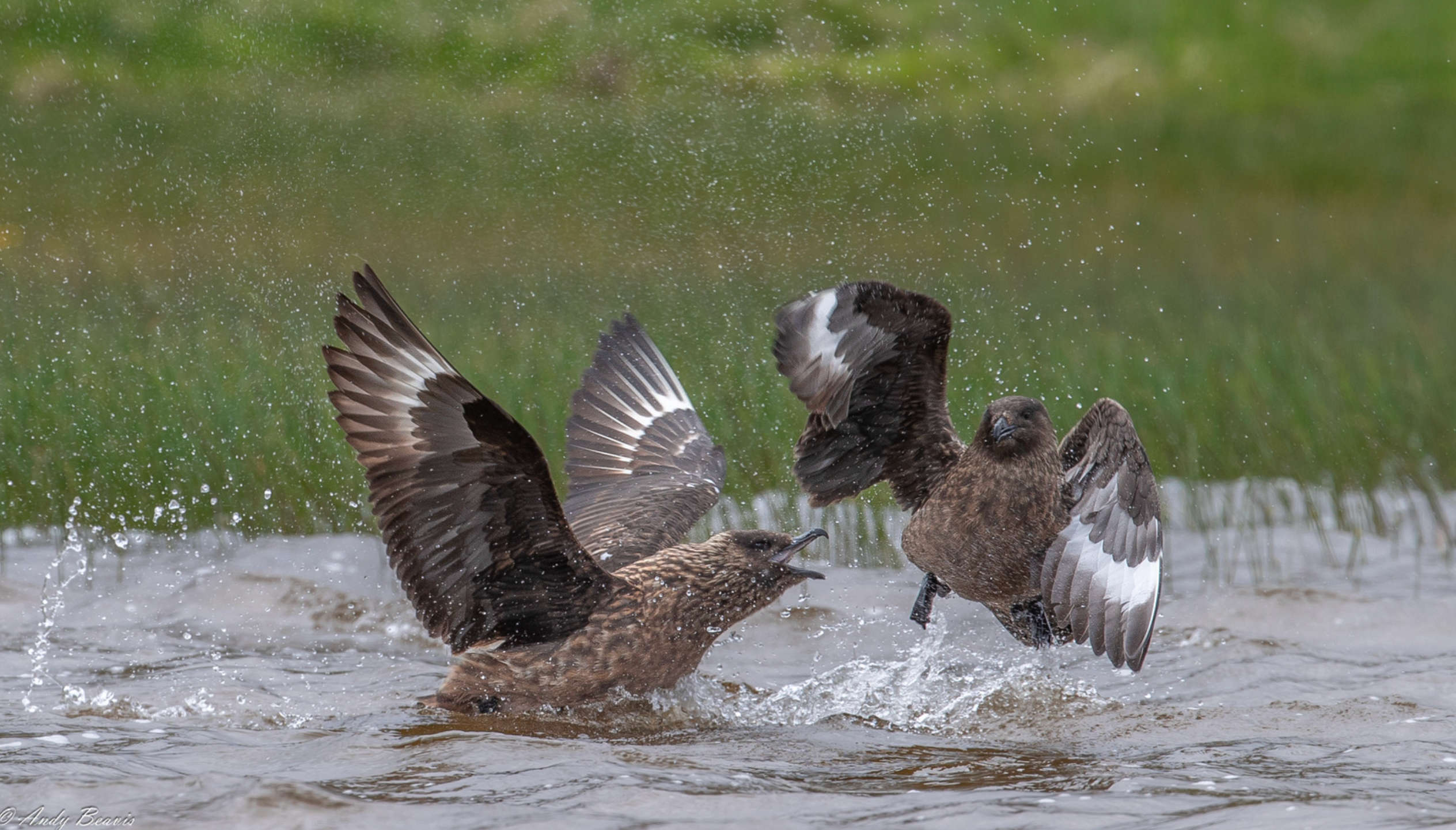
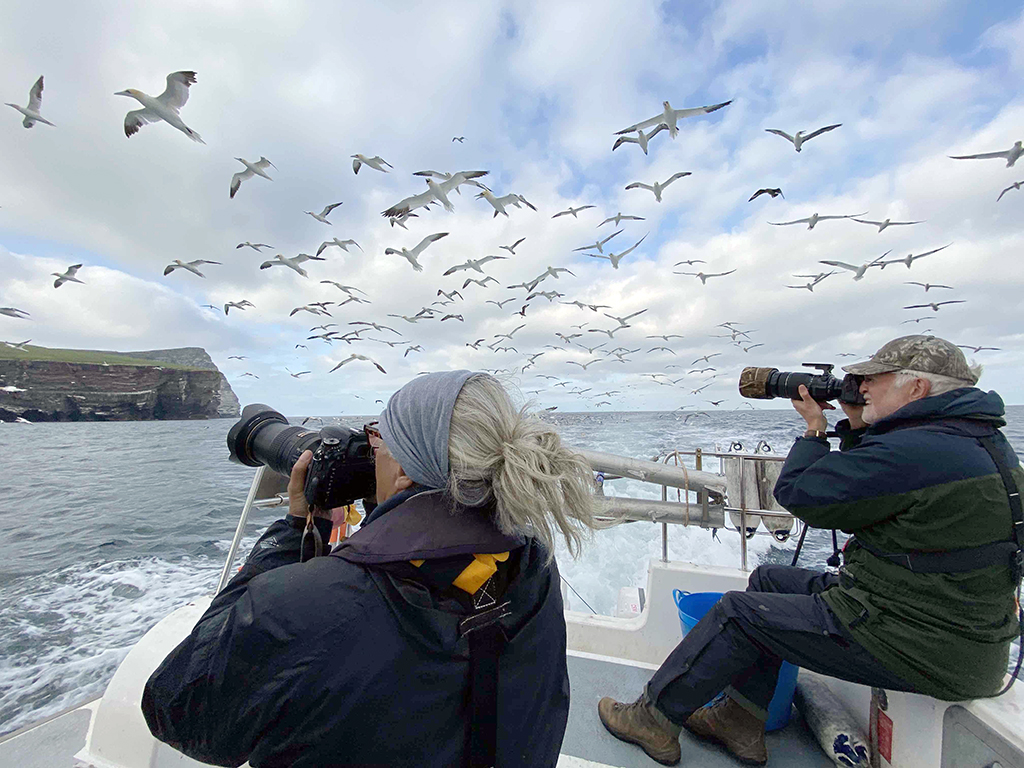
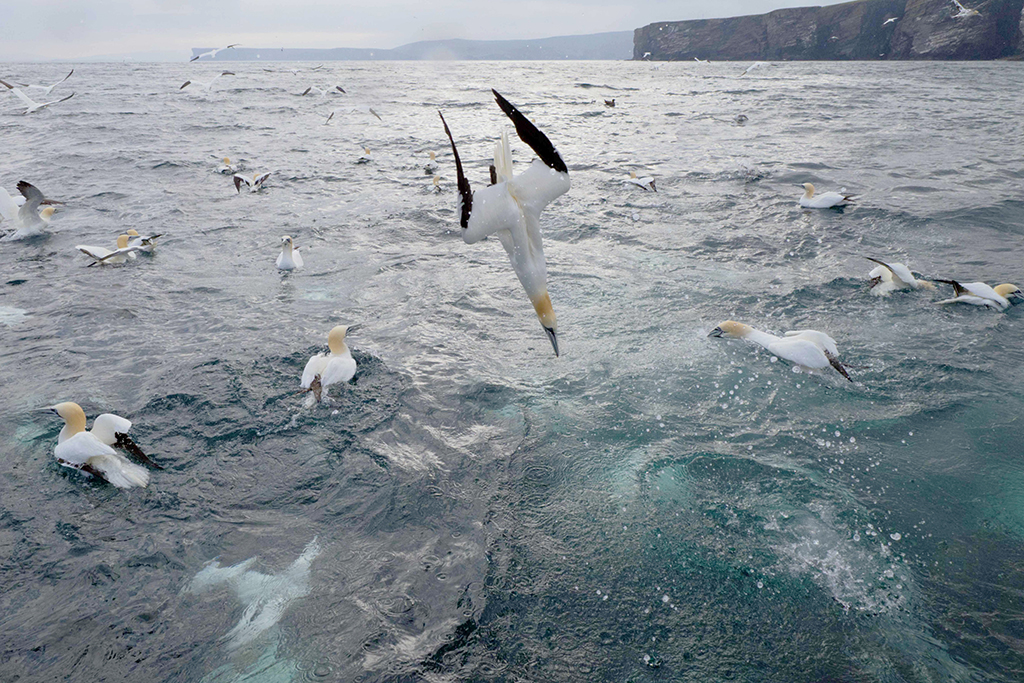
They all visited 6 island, getting to experience all the different landscapes Shetland has to offer. One of the highlights of all the trips is the Gannet feeding frenzy, where we go on a boat beneath the seabird cliffs of Noss, followed by a frenzy of hundreds of gannets diving just centimetres from the boat!!
But not only was the wildlife incredible, but the people and laughs we had along the way too.
Here are two links to clients portfolios from these trips. An impressive collection of images all within one week.
Tony Davidson: https://www.flickr.com/photos/92972371@N08/albums/72177720310340687/page1
Andy Beavis: https://andybeavisphotography.com/uk_shetland_2023
Join Us Next Year
If this tantalising glimpse of our ‘Shetland Summer Photo Tours 2023’ has sparked your interest in Shetland, please do let us know.
View this tour and dates for 2024.
Don’t miss your chance to capture the wild beauty of the Shetland Isles and create lasting memories with fellow nature enthusiasts. We can’t wait to welcome you on board for another unforgettable season!
(Posted by Josh Jaggard)
Permalink
Celebrating the monumental Wild Isles Series and the launch of New Itinerary
Posted by Brydon Thomason on Sunday 9th April 2023 | News
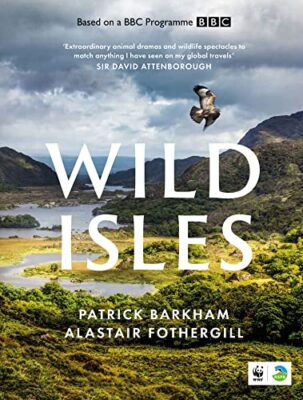
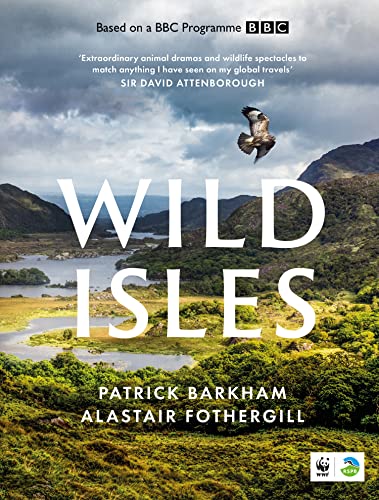
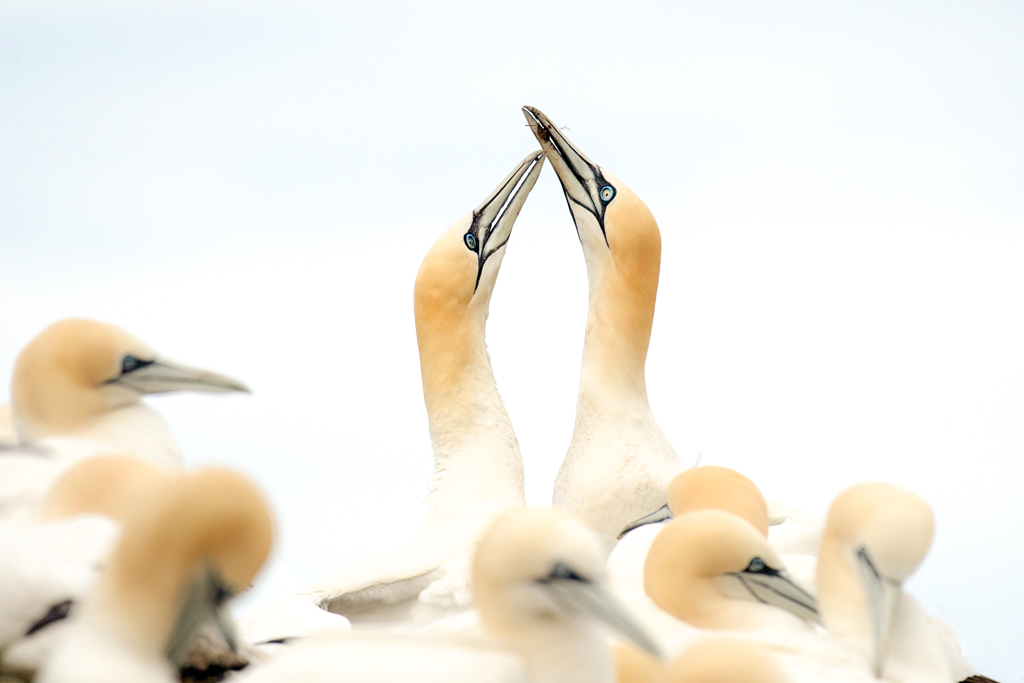
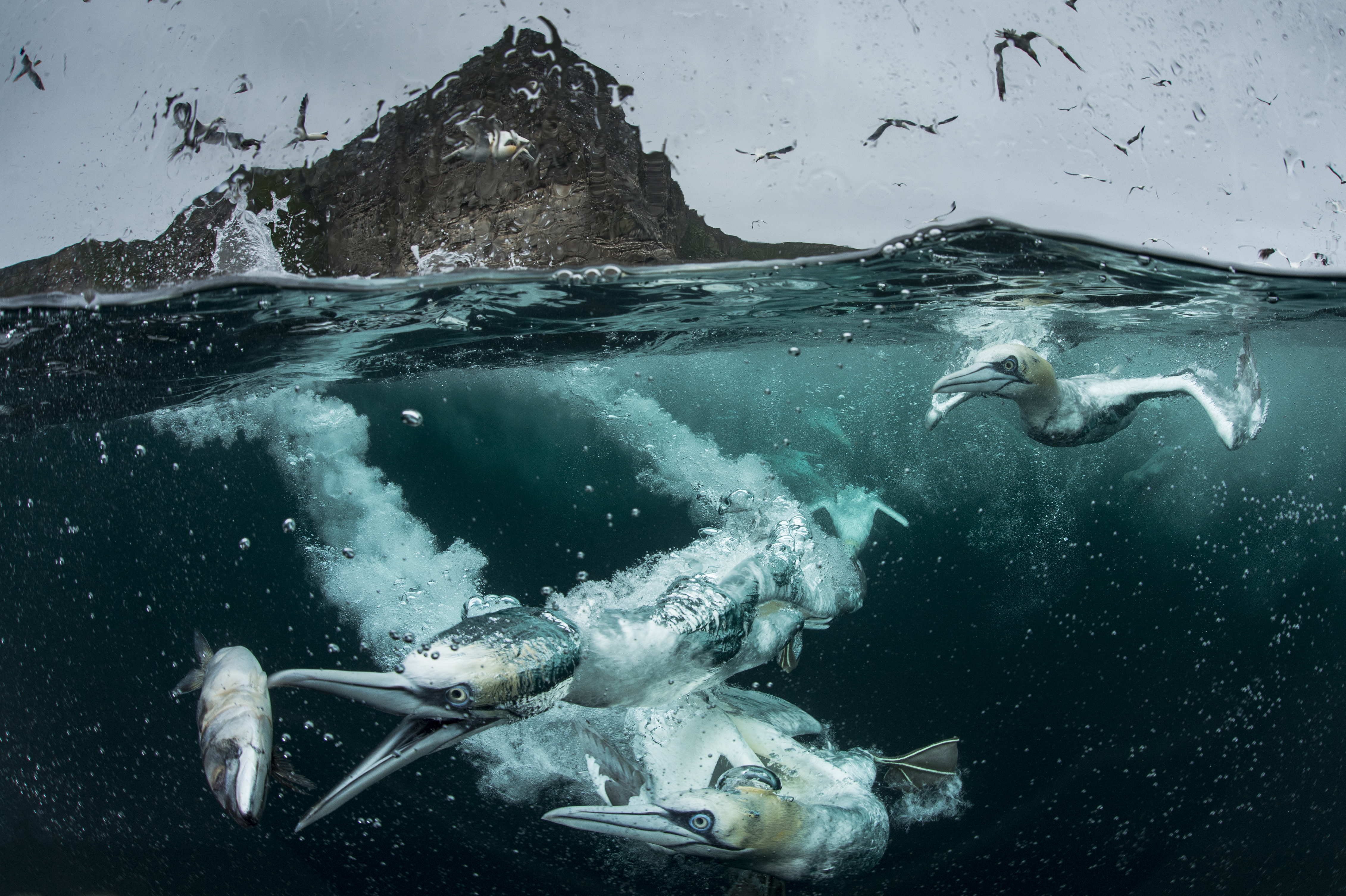
It really great to have images featured in the accompanying and inspiring ‘Wild Isles’ book, alongside so many amazing photographers. The Gannets, Orca and Otter images below are three of the images, which are also the headline acts of our new Late Summer Seabirds & Cetacean itinerary.
How incredible has the monumental ‘Wild Isles’ series been?! To see the magnificent wildlife of the British Isles celebrated like never before on our screens, and with Sir David Attenborough really has been incredibly moving. The series has created a wonderful vibe throughout the UK nature community with fascinating stories and spectacles through some sensational filming from all corners of our home islands.
Never before has such a mammoth project been undertaken, involving so many individuals, teams, organisations and companies from researchers to naturalists, photographers to camera-operators, producers to editors to list but a handful and the results are truly epic. Huge congratulations to everyone at all levels – especially the Silverback Films team.
The series has not only inspired and educated by showcasing the world-class wildlife of our home, but it has done so with a very powerful narrative throughout- the desperate need for change. The much talked about sixth episode, ‘Save our Wild Isles’, is especially worth a watch.
As always, it is really special to see Shetland profiled so strongly and particularly to see my very good friend and colleague Richard Shucksmith in the first episode, who did the Orca and the islands proud. Though my own involvement was cut short on the Otter shoot with Richard, (the camera malfunctioned and had to be sent away! ), It was also really cool to see so many of my Shetland Nature Colleagues involved on various shoots elsewhere, including Josh Jaggard, Raymond Bessant and Rachel Bigsby.
So, built around the marvellous momentum of ‘Wild Isles’ series, and to celebrate Shetlands Orca, Otters and Gannets that were so brilliantly profiled we are delighted to launch this unique new tour itinerary, Shetlands Late Summer Seabirds & Cetaceans which focuses primarily on three of Shetland’s star wildlife attractions – seabirds, Otters and cetaceans. Focusing on these throughout the latter weeks of the summer is something we do every year on our day tours and bespoke holiday bookings, but this season, it feels particularly appropriate to add it to our holiday program.
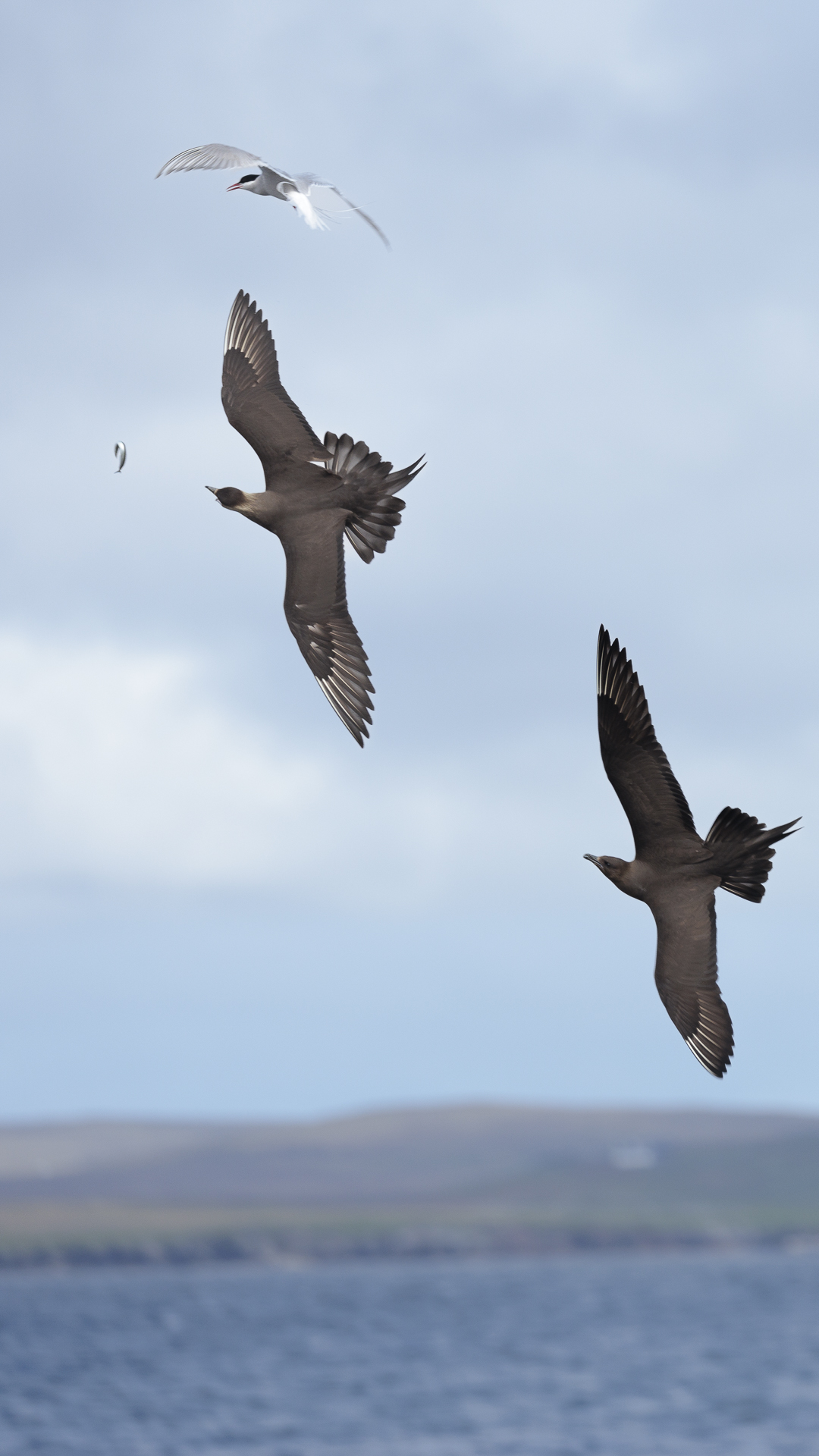
For many of Shetland’s species the brief northern breeding season is already ending by August, yet for most, especially sea birds, the season is in full swing. Though Common Guillemot chicks have left their ledges and Kittiwakes are fledging, Gannetries are a raucous hustle and bustle of activity with chicks still a few weeks from fledging and on the clifftops and grassy slopes, Atlantic Puffins are still present in decent numbers, as are the mighty Great Skuas, which are still yet to fledge their chicks and Arctic Skua give chase to Arctic Terns in their dramatic aerial pursuits.
This is also peak time for cetaceans, being the time of year we tend to see the widest range of species inshore, particularly those that are following the Mackerel, Herring and Saithe that amass in our waters in this season.
Quite remarkably, even before end of year 2022, all our 2023 core season holidays were already full. This new itinerary will hopefully help cater for at least some of the increased demand following Wild Isles series. We hope to see you soon and look forward to share our own ‘wild Isles’ with you!
Contact us for more information or to book.
With very best wishes from myself and all the team at Shetland Nature,
Brydon Thomason
Permalink
Season’s Greetings and 2022 Round-Up
Posted by Brydon Thomason on Wednesday 21st December 2022 | News
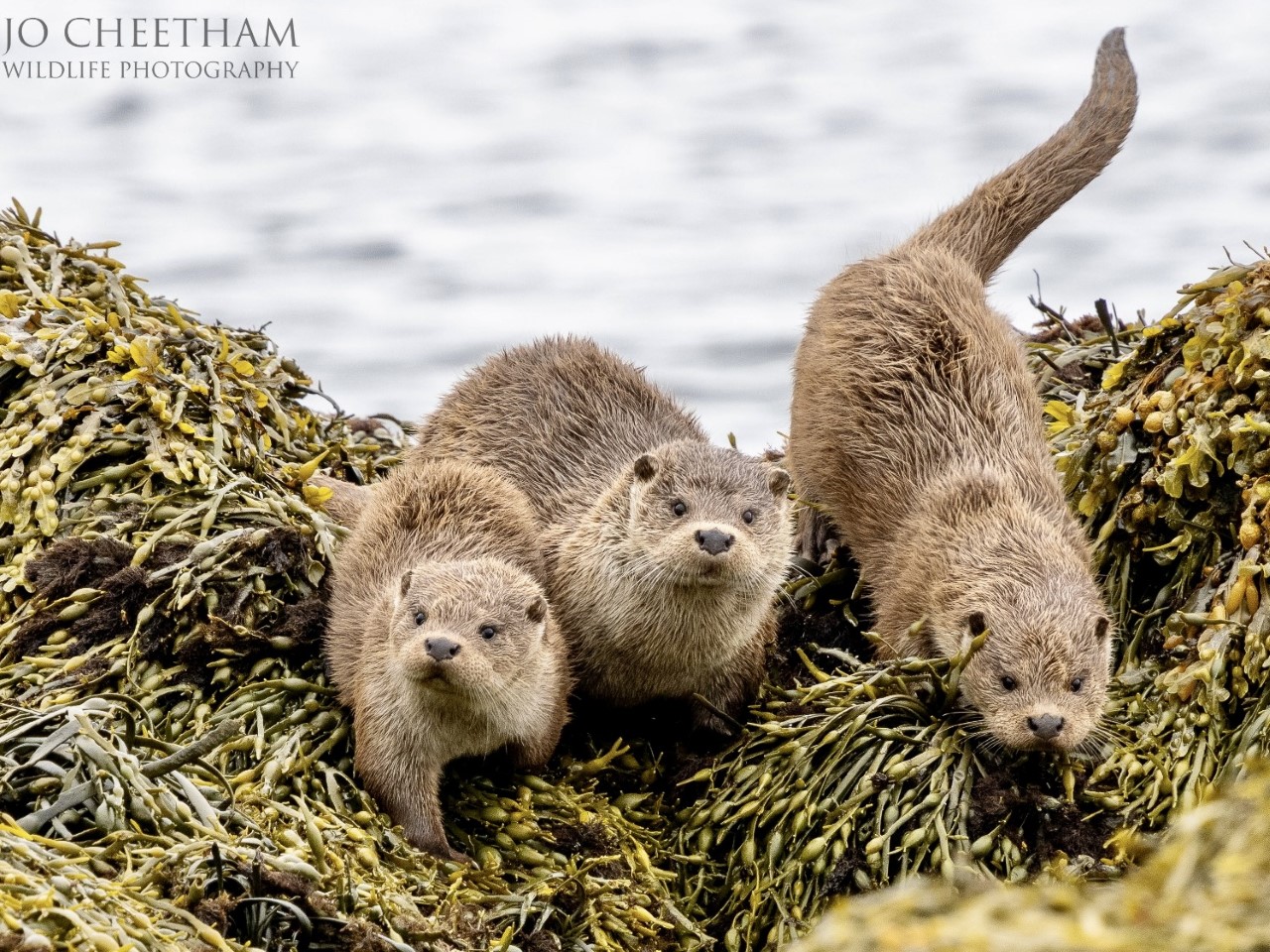
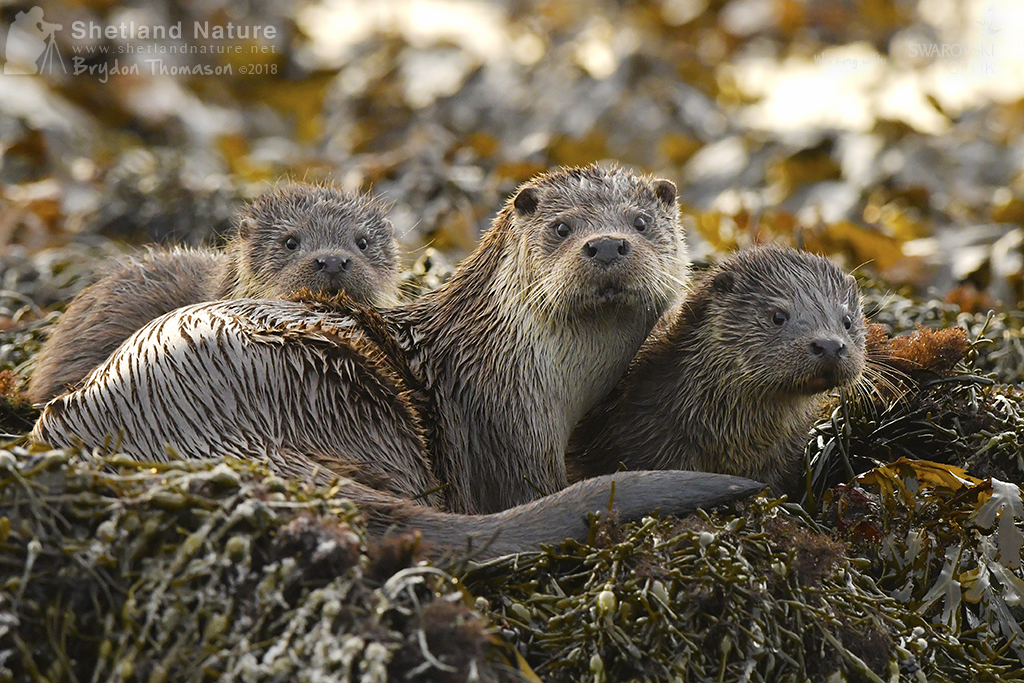
Otter family, by tour participant and long running returnee, Jo Cheetham
Nearing the end of what has been a busy and special year, all of us at Shetland Nature wanted to share a short round-up of this year’s news and highlights – and of course offer our season’s greetings. I begin though by saying just how good it was for things to have returned to some sort of normality. Welcoming so many guests, from so many countries and sharing our islands, history, heritage and especially wildlife again, really did feel special. So we say a heartfelt thank you to everyone who has been with us this year.
Our gratitude in this sense is extended even further to those who have carried over bookings for a year or more. The trust, patience and understanding is hugely appreciated and has helped us come out the end of a very difficult period – and bounce back to interest and demand as strong as any other year. To already see the 2023 Holidays and Photo Tours program already not far from booked out really is incredible, especially considering the difficult times we are in.
Whilst mentioning our holidays, as always we are eternally grateful to our accommodation providers at The Sumburgh and St Magnus Bay Hotels, as well as the many self-catering properties and Guest Houses we use. We also must mention here the boat-tour excursions we do with Shetland Seabird Tours and Mousa Boats, who like the accommodation providers go above and beyond to make our itineraries what they are. It is a good opportunity here to highlight the amazing achievement of Shetland Seabird Tours for winning this year’s Best Visitor Attraction Experience at the Highlands & Islands Tourism Awards. By no means least, we thank our team of guides who work tirelessly to make sure our guests visitor experience is everything they hope for and this year, we were very fortunate to have some new faces join our team.
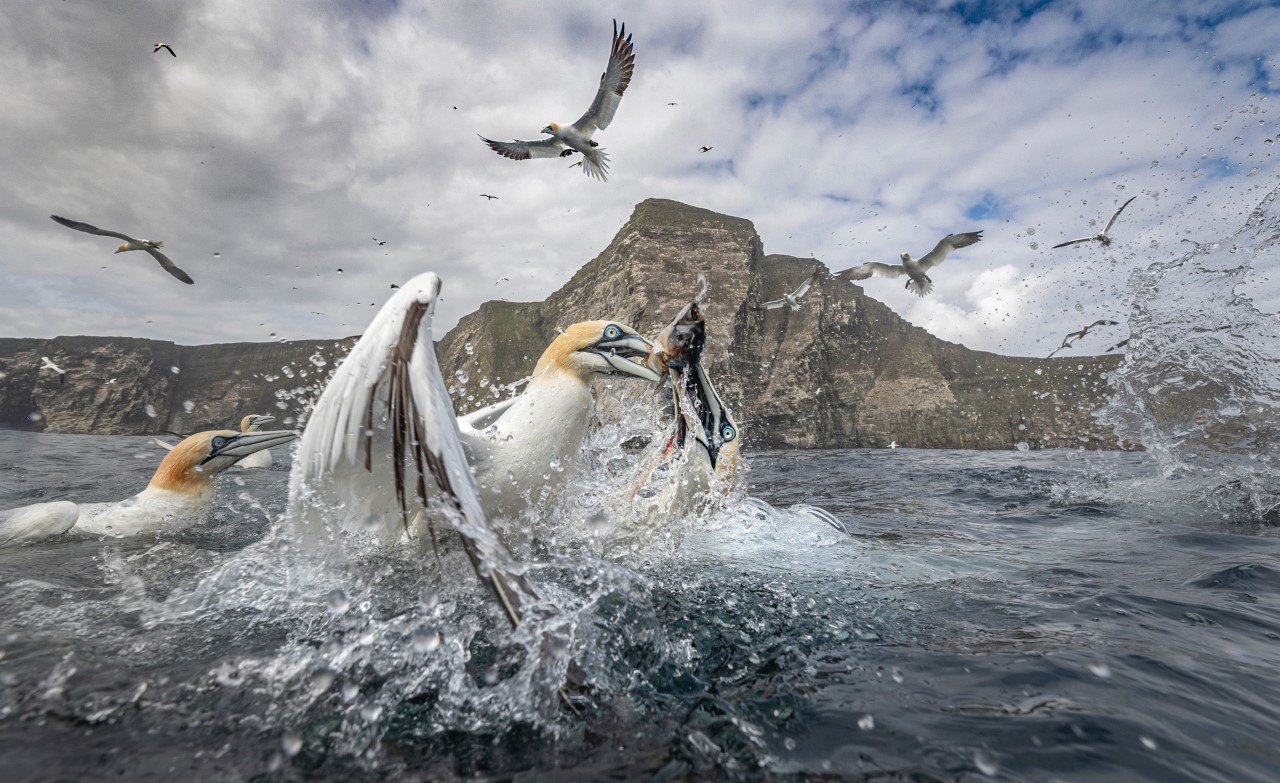
Taken by team member James Rogerson on one of our Noss Gannet charters
with our very good friends at Shetland Seabird Tours
Becoming a Carbon Neutral organization & our Rewilding Support
Over the past two years we have been enjoying and making good progress on our journey to become a ‘nature positive’ business. We recognise that although a small enterprise, we need to take responsibility for any impact we may have on the environment, whether large or small. This year we stepped up the pace on a journey to not only reduce our carbon footprint by becoming a Carbon Neutral Organization and also start supporting the fantastic Rewilding work by ‘Scotland The Big Picture’.
This is a journey that is not straight forward nor in some respects practical. Nevertheless, bit by bit, we are trying, and feel good to be taking responsibility on the areas we can. One such area is promoting awareness on our actual holidays. Here on Shetland, we have brought this journey hands-on into some of our itineraries to learn of the amazing work being done by Peatland ACTION Project.
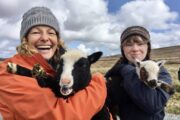
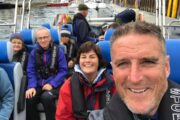
Visiting one of Shetland’s Peatland restoration projects accompanied by their team, we see the work that is being done to mitigate the impacts of climate and grazing on Shetland’s blanket bog. We learn about the importance of this habitat, not only for Shetland’s unique biodiversity, but also in the global effort to combat climate change. Following the success and popularity of this excursion on our amazing new Kate Humble holiday, we are excited to introduce it to many more itineraries for 2023. We were delighted to work with Kate on this holiday and very much looking forward to 2023’s trip and having not being able to fit in last year’s, we are very excited to welcome back Iolo Williams to lead his fifth ‘Shetland Nature Experience’ with us.
-
-
Lastly, for now I sign off sharing news on how amazed we are to see all, (bar a couple of photo-tours) our core season holidays already full! This really is quite remarkable, particularly given the many issues we all face. As always though, please do still contact us as waiting lists are recommended, as people’s circumstances can change and places do occasionally become available.
Interest has been so strong that we are currently in the process of launching a couple of new itineraries, so we may yet have an option if you still hope to visit next season.
We’ll be back in touch on this in January, for now and from each and every one of us at Shetland Nature, have a very Merry Christmas and a Happy New Year!
Permalink
Nature Positive and Supporting Rewilding
Posted by Brydon Thomason on Friday 6th May 2022 | News
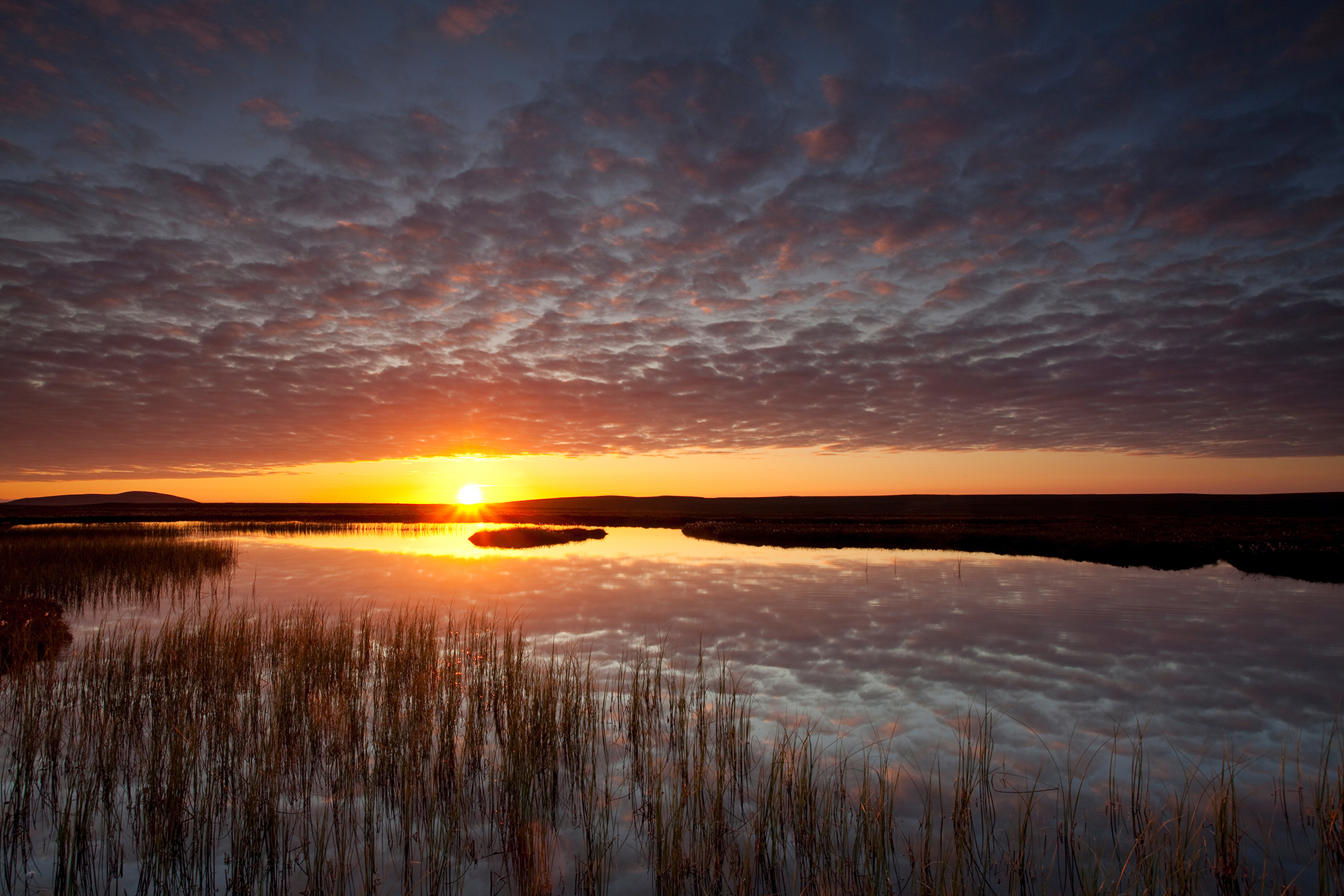
As a small enterprise, it’s easy to imagine that our impact on the environment is insignificant, but for us, being in business carries a responsibility. As such, we’re on a journey to not only reduce our carbon footprint, but to become a ‘nature positive’ business.
We’re delighted to work in partnership with SCOTLAND: The Big Picture, a charity that works to drive the recovery of nature across Scotland through rewilding, in response to the growing climate and biodiversity crises.
Each year, we contribute a percentage of our income to a dedicated rewilding fund that catalyses the creation of new natural habitats, providing a home for species such as red squirrels and pine martens, as well as locking up carbon.
We also offer the chance for our guests to make their own contribution by offsetting the carbon footprint of their travel to and from our holidays.
We believe that by working together, we can help make more rewilding happen across Scotland.
-
-
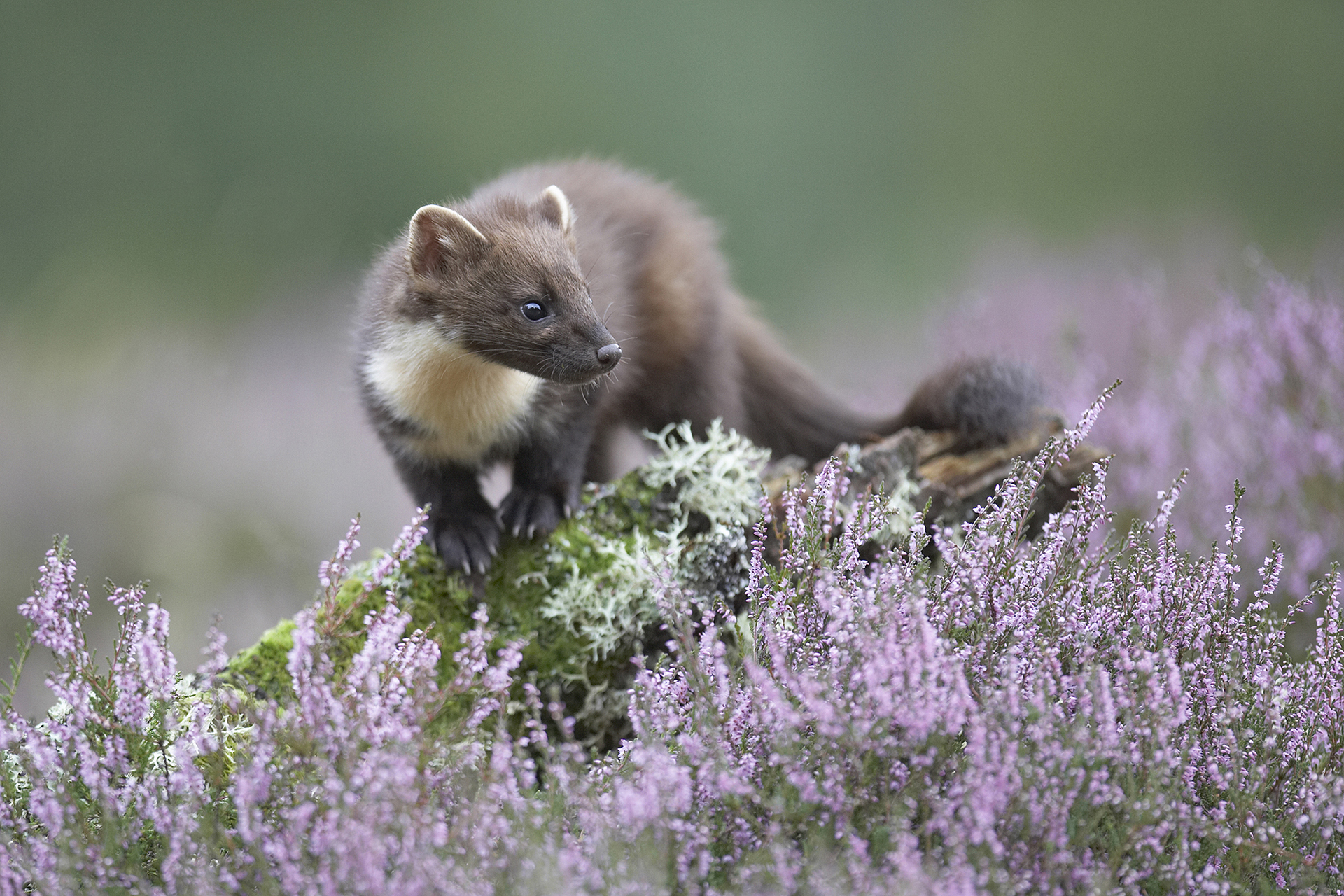
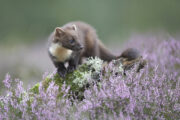
Pine marten (Martes martes) in flowering heather, Scotland.
-
-
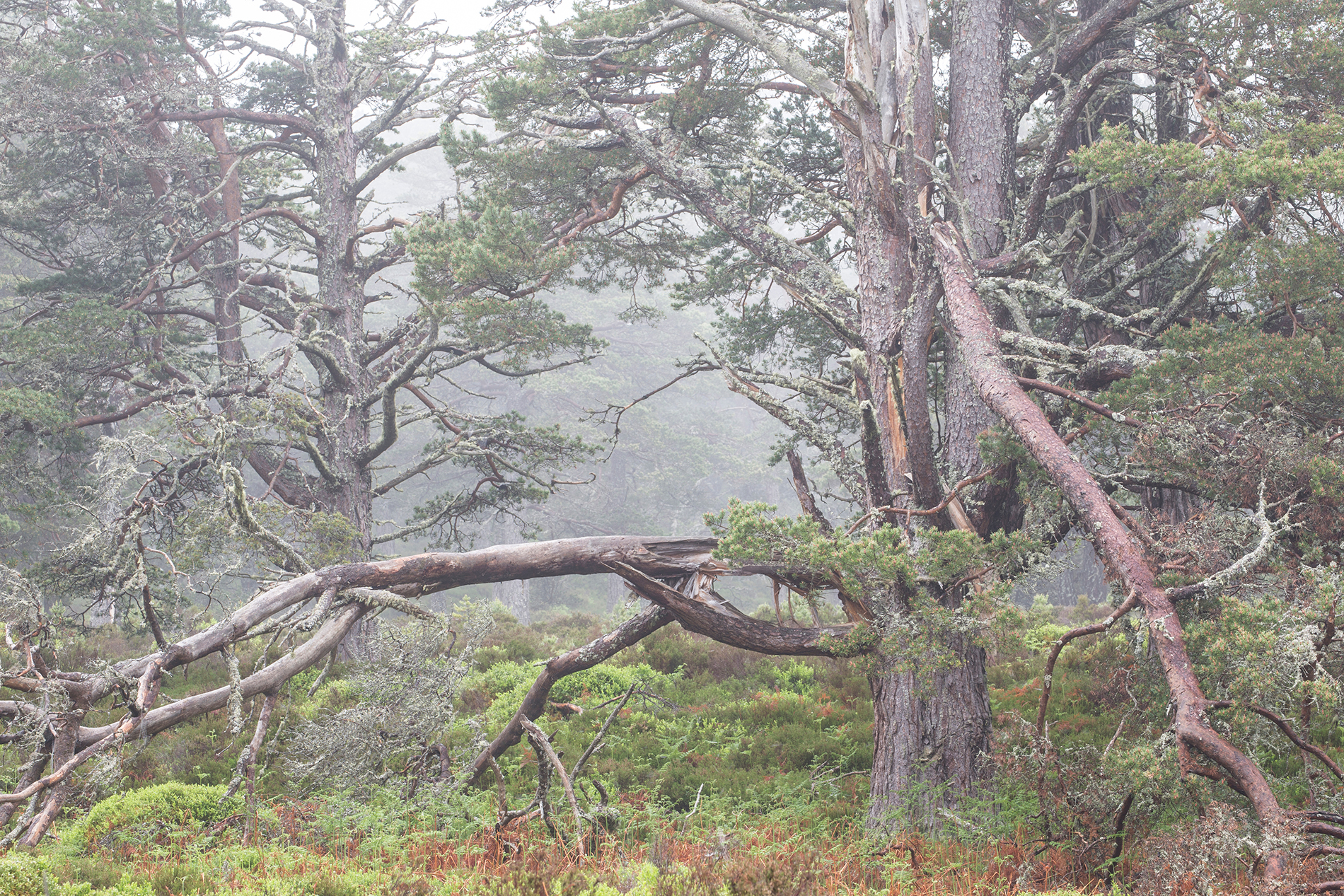
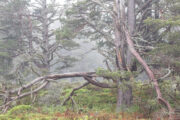
Ancient scots pine (pinus sylvestris) in old native woodland, Rothiemurchus Forest, Scotland.
-
-
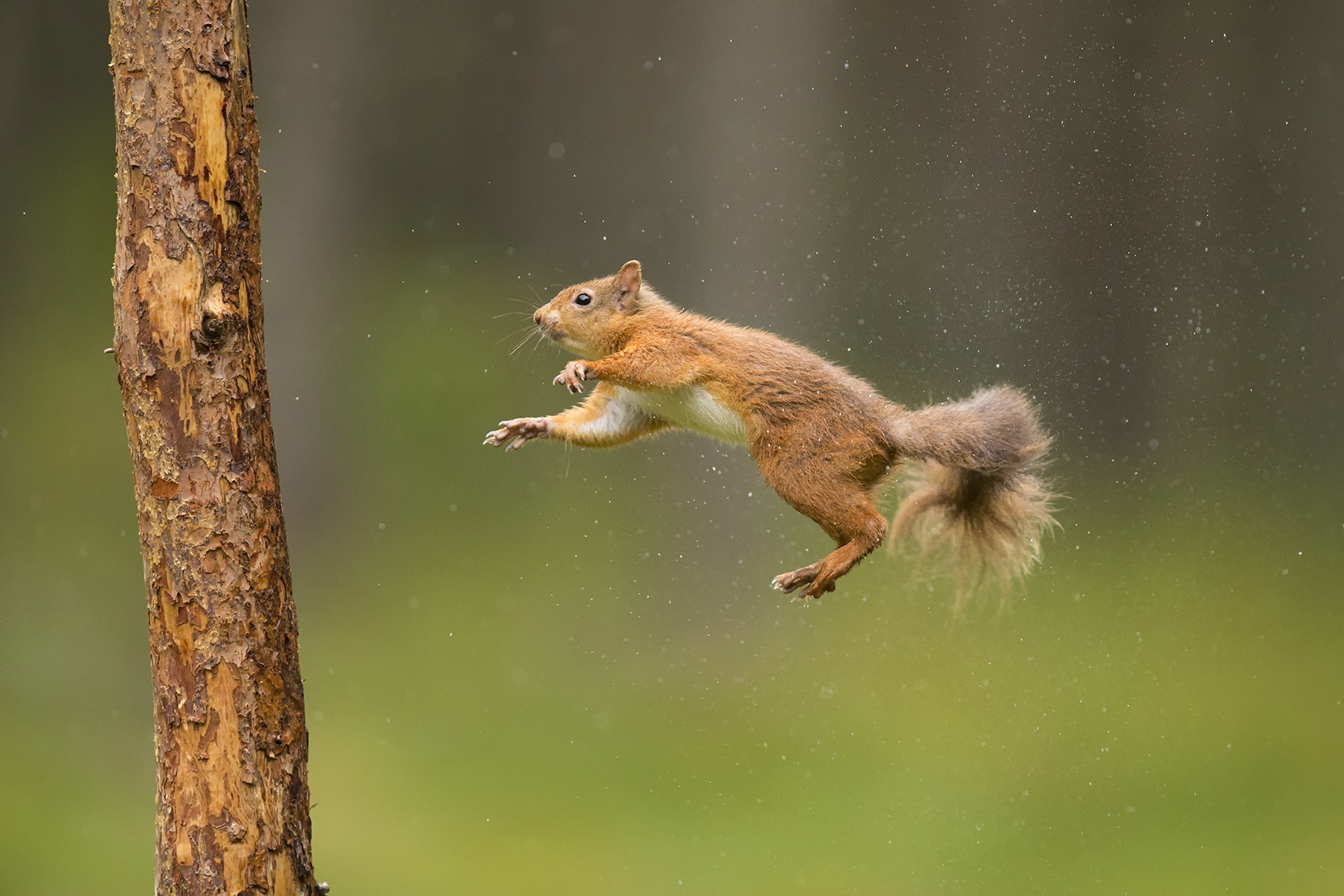
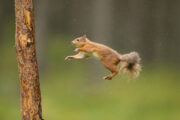
Red Squirrel (Sciurus vulgaris) in mid-air, about to land on pine trunk.
Learn more about SCOTLAND: The Big Picture
Permalink
Season’s Greetings from Shetland Nature
Posted by Brydon Thomason on Friday 24th December 2021 | Birding in Shetland
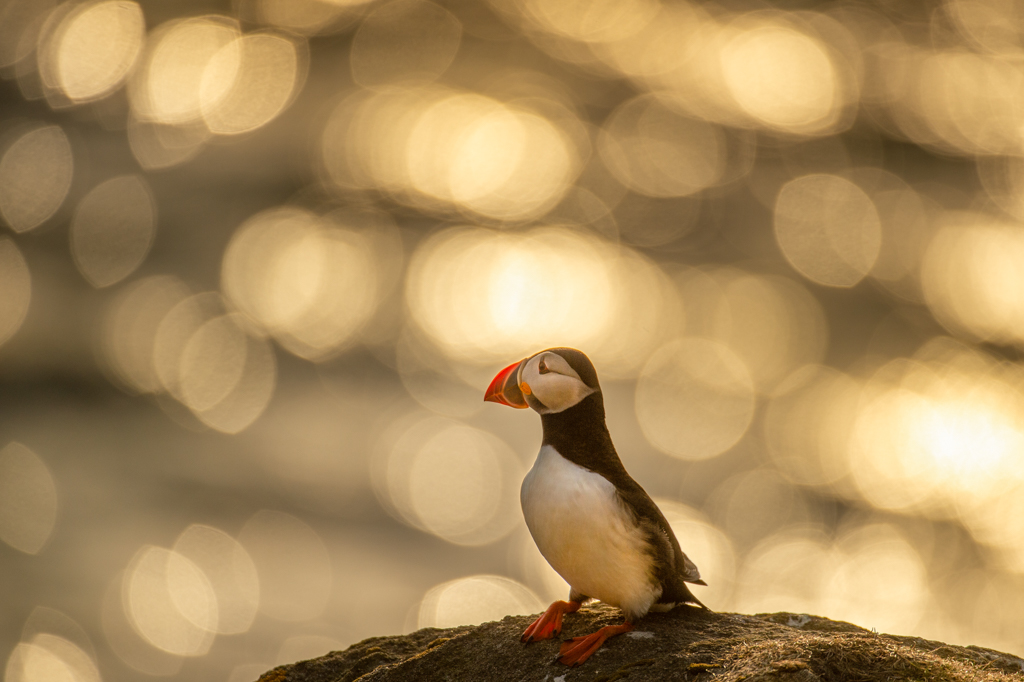
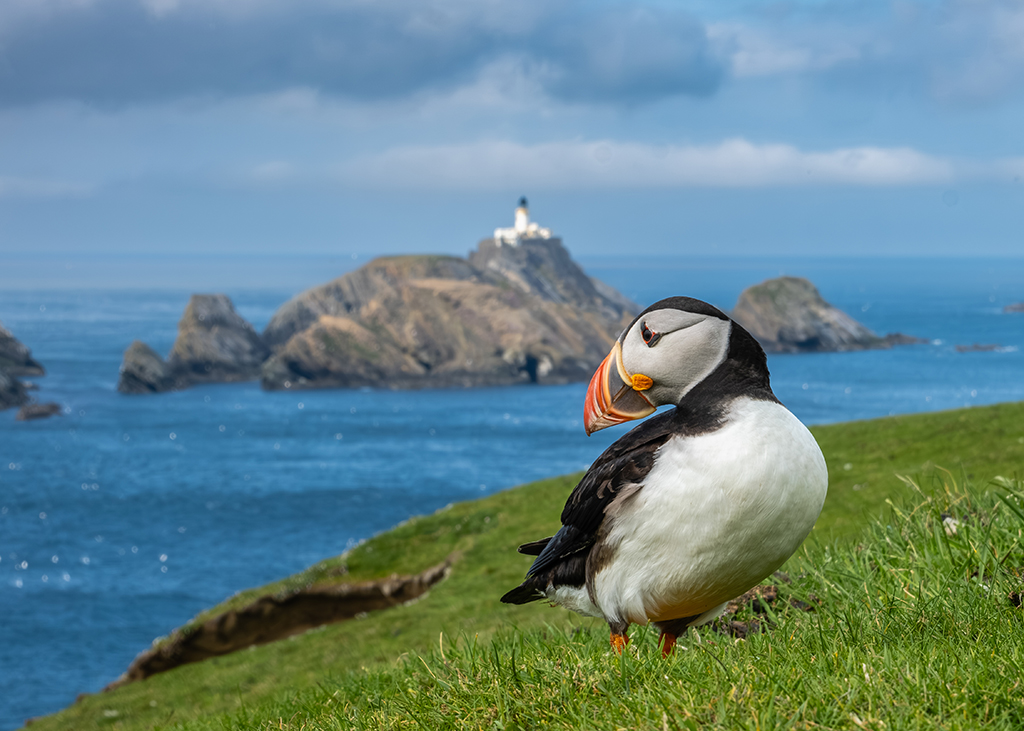
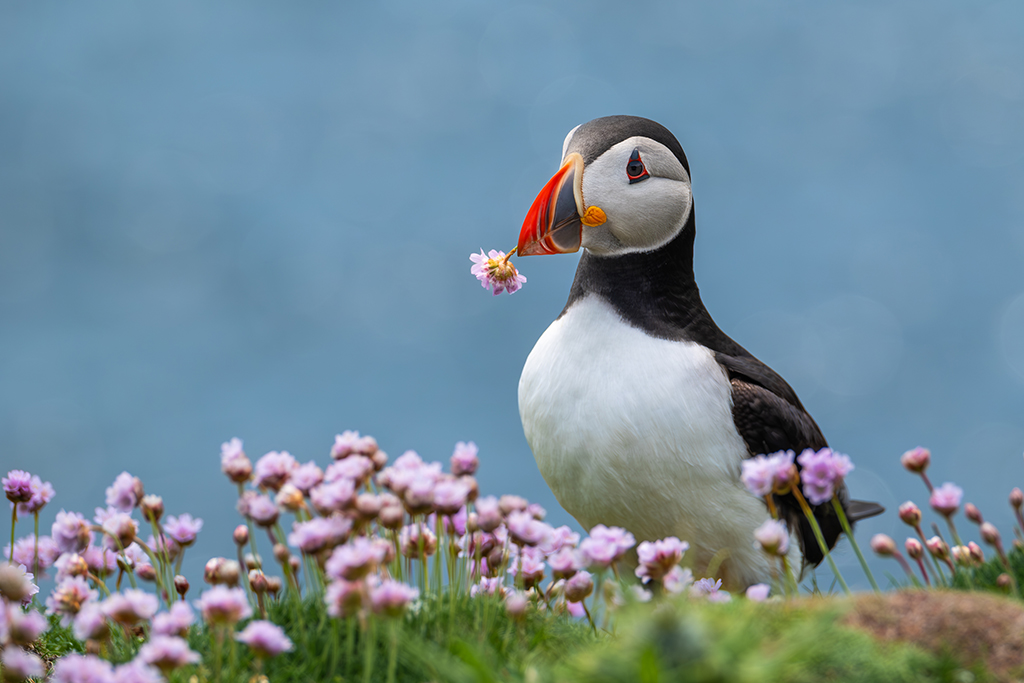
A Hermaness Puffin summer sunset, perhaps not the most festive of images, but the closest one I had to fairy lights!
Wishing you a Merry Christmas and a Happy New Year.
Along with our season’s greetings, we wish you as happy and healthy a Christmas as the ever-changing pandemic allows.
Briefly reflecting on our season, although there were understandable and expected challenges and changes, we had a very busy and exciting season. True to form, our islands provided a plethora of wildlife highlights, from the usual suspects through our magnificent summer breeding birds and marine life, to the unexpected and exotic- a Beluga Whale and a Walrus! Sharing these again, felt so very special.
It feels appropriate to say here that in early spring, being extra cautious and mindful to protect our clients and communities, and following local transport authority guidance at that time, we made the difficult decision to postpone all our multi-household group holidays, but continue with day tours and bespoke holidays. Hard as that was, knowing of tour companies who had to cut short holidays and isolate participants due to positive cases, we feel that decision was the right one.
We are so grateful to all those who were able to postpone and so understanding in doing so.
Looking ahead to 2022 and continually following guidelines to keep our clients and communities safe, we are feeling optimistic and excited about next summer. Amongst new plans and ventures we are planning, we are very excited to have recently announced a new date for our collaboration with Kate Humble, on our Wild and Wooly itinerary.
We have filled all but one or two spaces across our holiday itineraries next season. Please note across these itineraries we are making some amendments due to accommodation changes, which will be updated soon.
We are also pleased to see an increase in people wanting a tailored and bespoke holiday.
Please do get in touch if you think we can help.
With the very best festive wishes,
Brydon Thomason and all at Shetland Nature.
Permalink
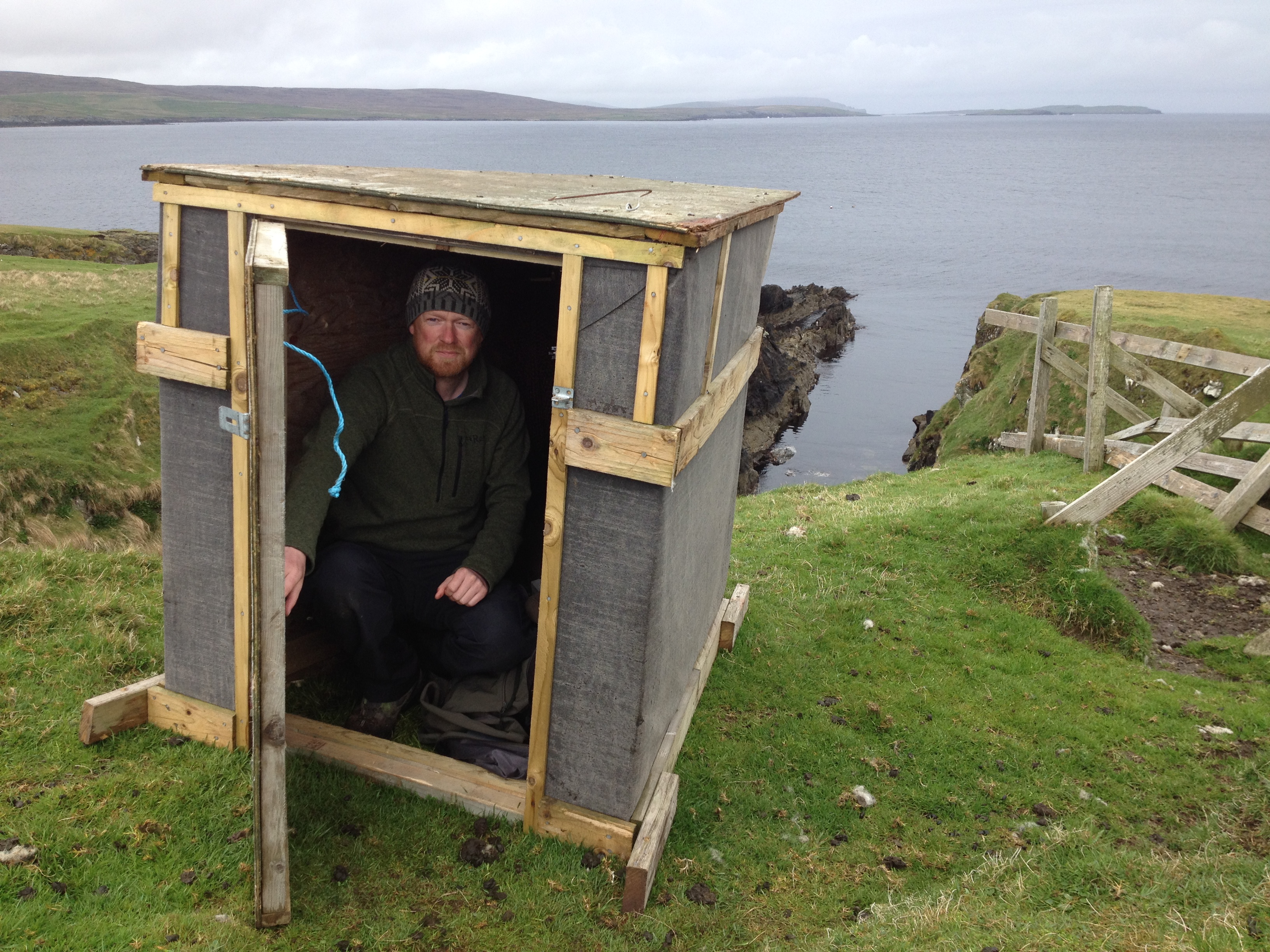
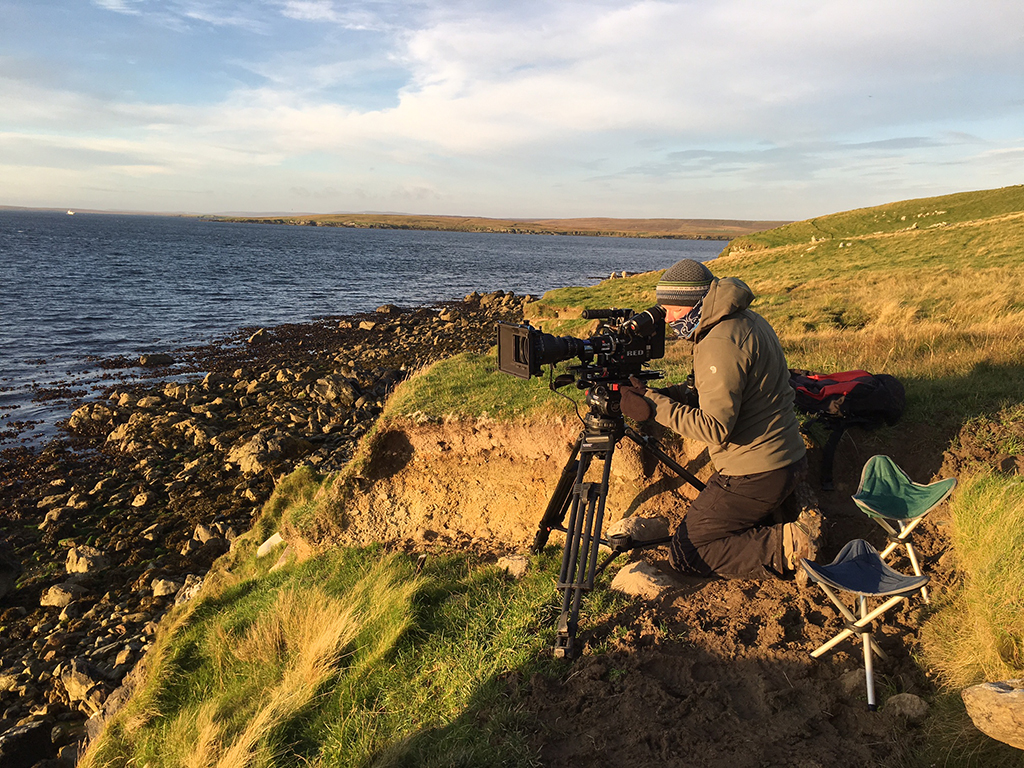
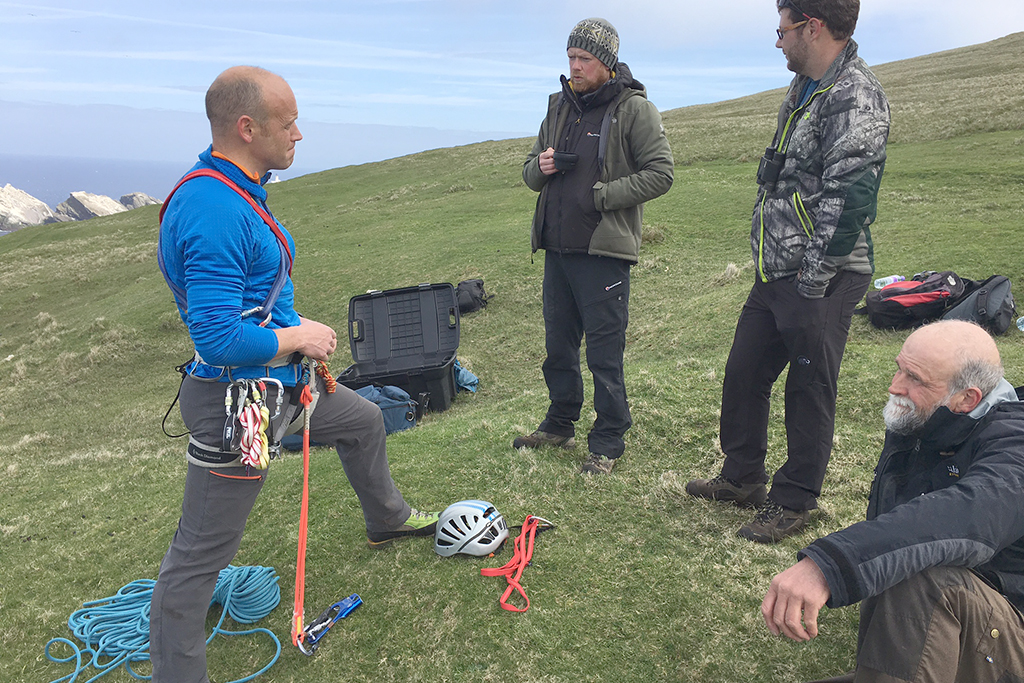
Wild Shetland: Scotland’s Viking Frontier – Behind the scenes
Posted by Brydon Thomason on Wednesday 23rd January 2019 | Brydon's Shetland Nature Blog, News, TV Appearances
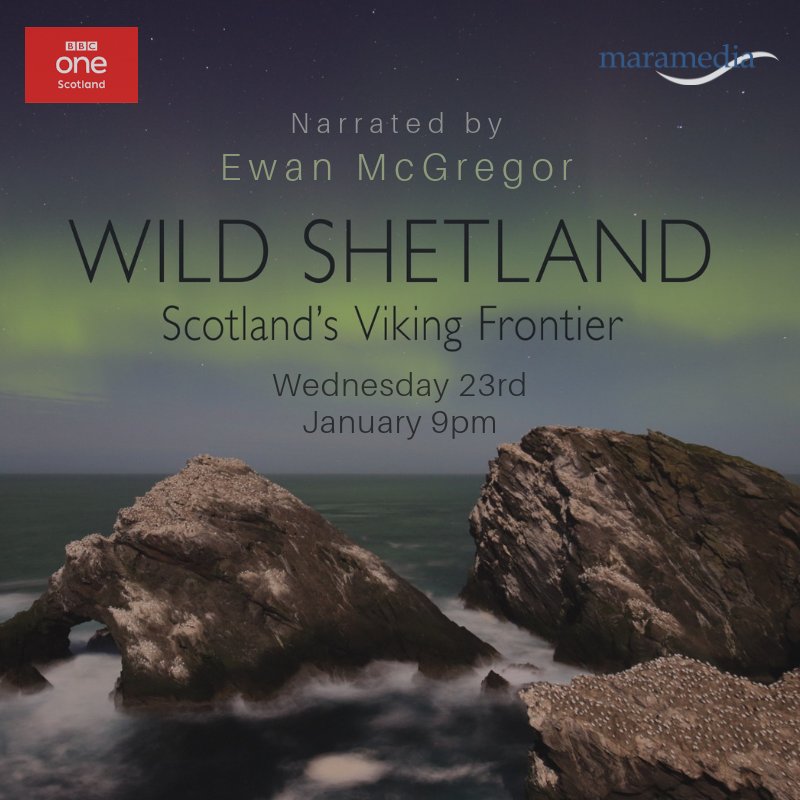
Wild Shetland – Scotland’s Viking Frontier
BBC One Scotland – Wednesday 23rd January 2019, 9pm
For the last 12 years there hasn’t been a season go by that we haven’t worked on, or featured in TV productions about Shetland. We feel truly humbled by this and see it as a privilege which we do with genuine pride for Shetland, our way of life and especially our natural history.
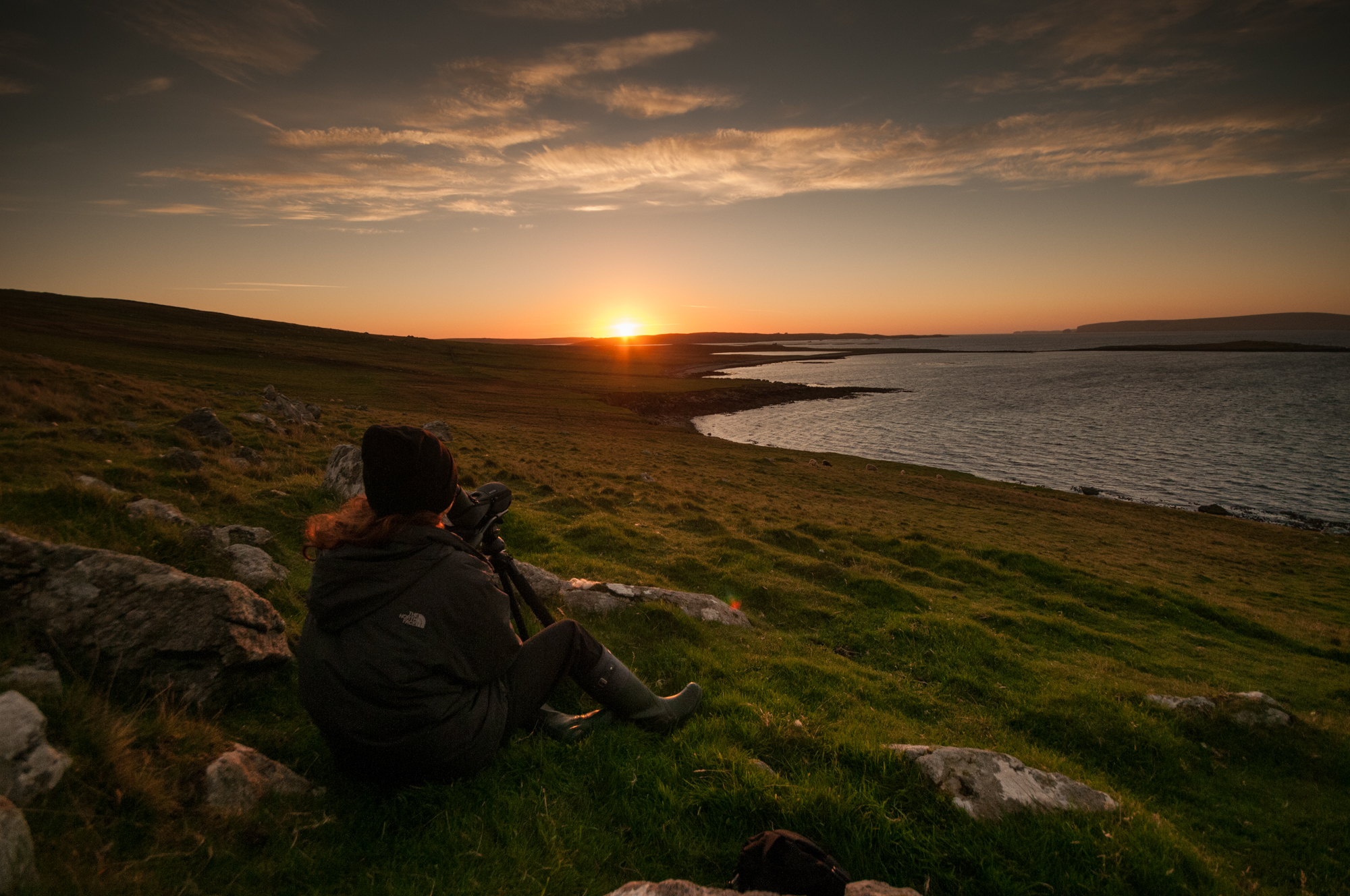
But this one is really special. From the moment we first met with Maramedia producer, Jackie Savery, myself and Richard Shucksmith put our heart and souls in to help make the film be everything Shetlands wildlife deserved it to be! We were already well aware of their impressive portfolio of award winning films such as ‘Highlands – Scotland’s Wild Heart’ and ‘Hebrides – life on the edge’, we knew this would be the real deal.
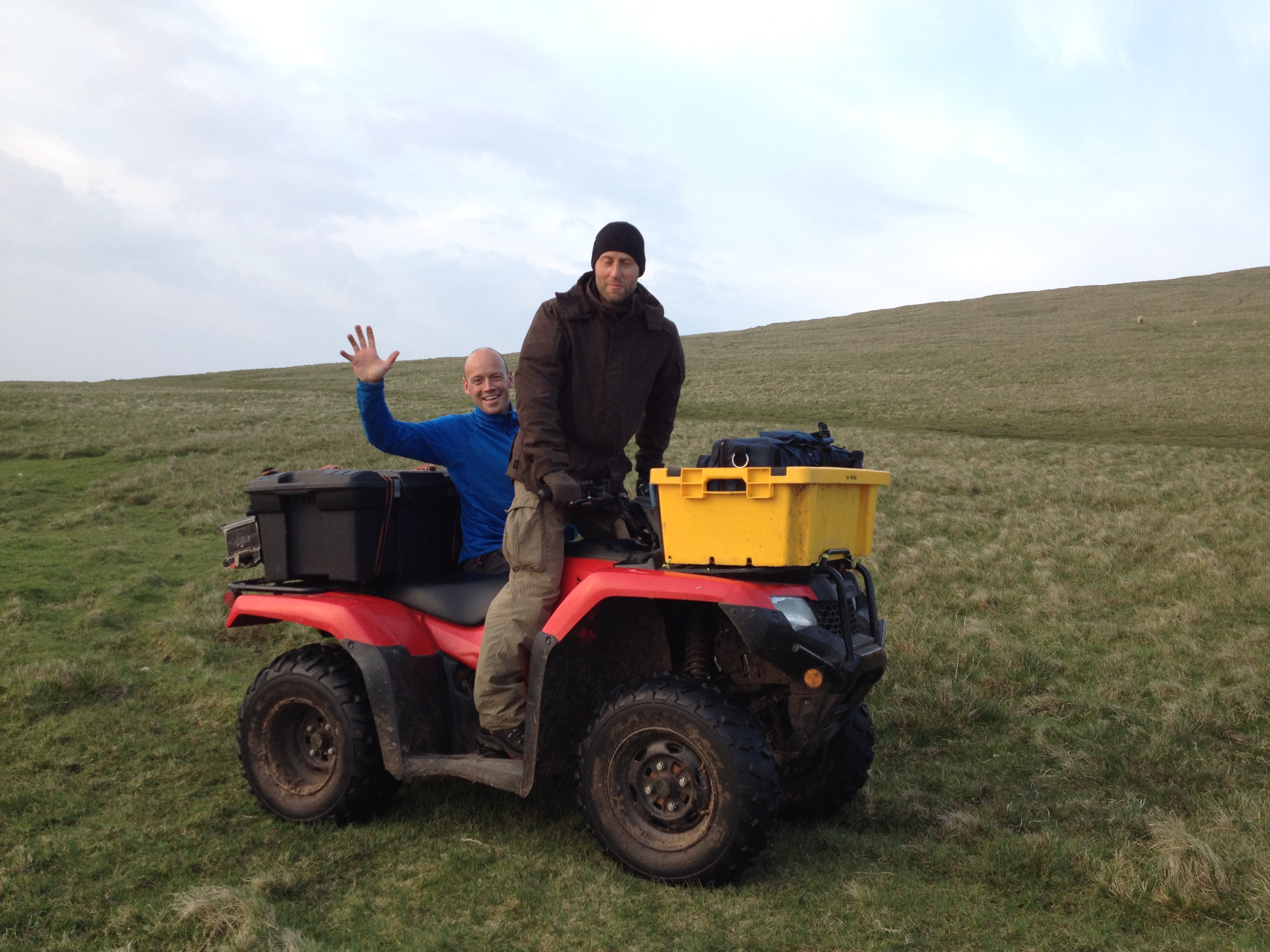
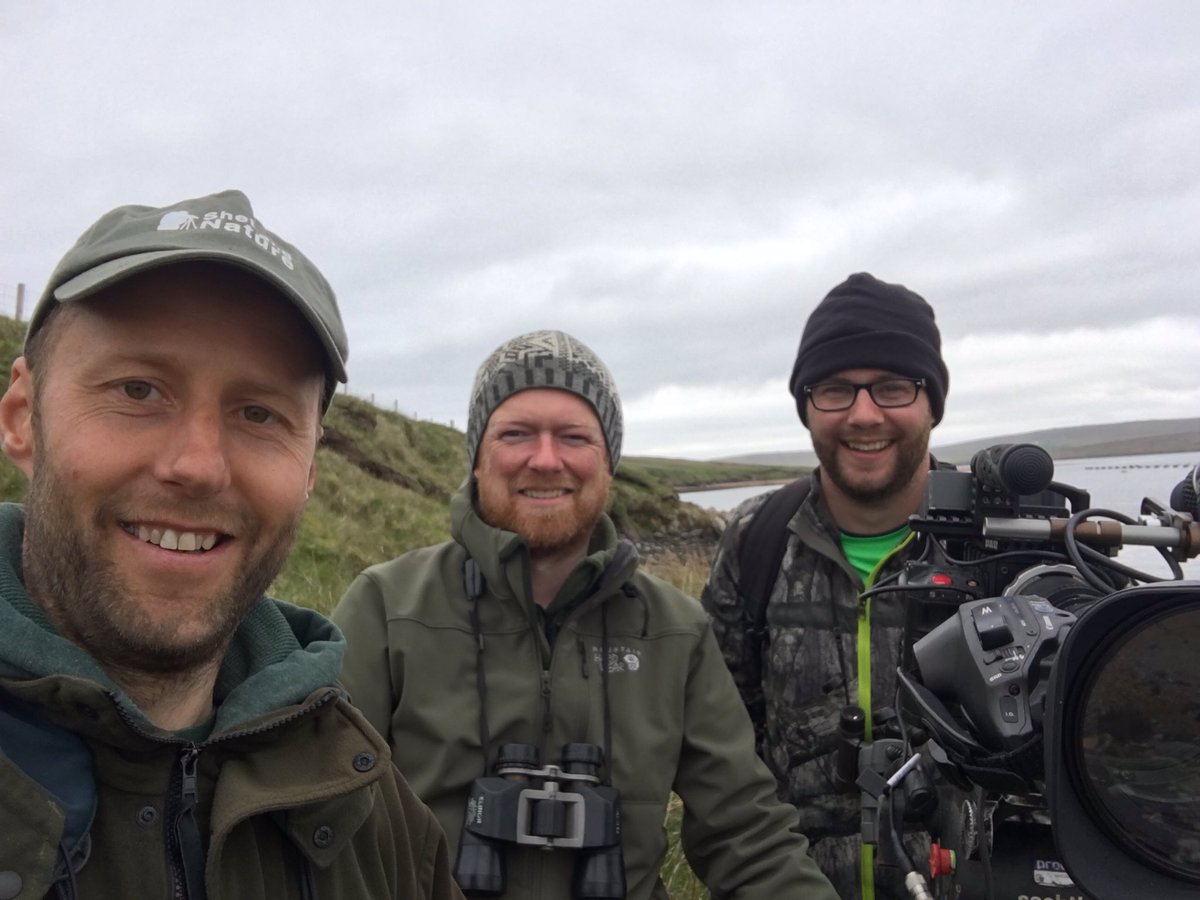
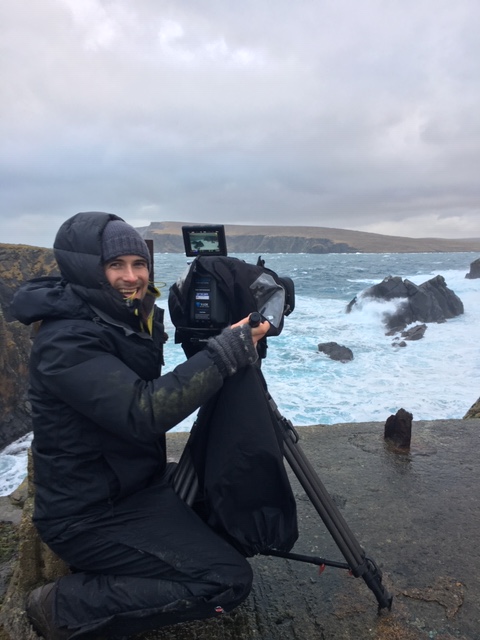
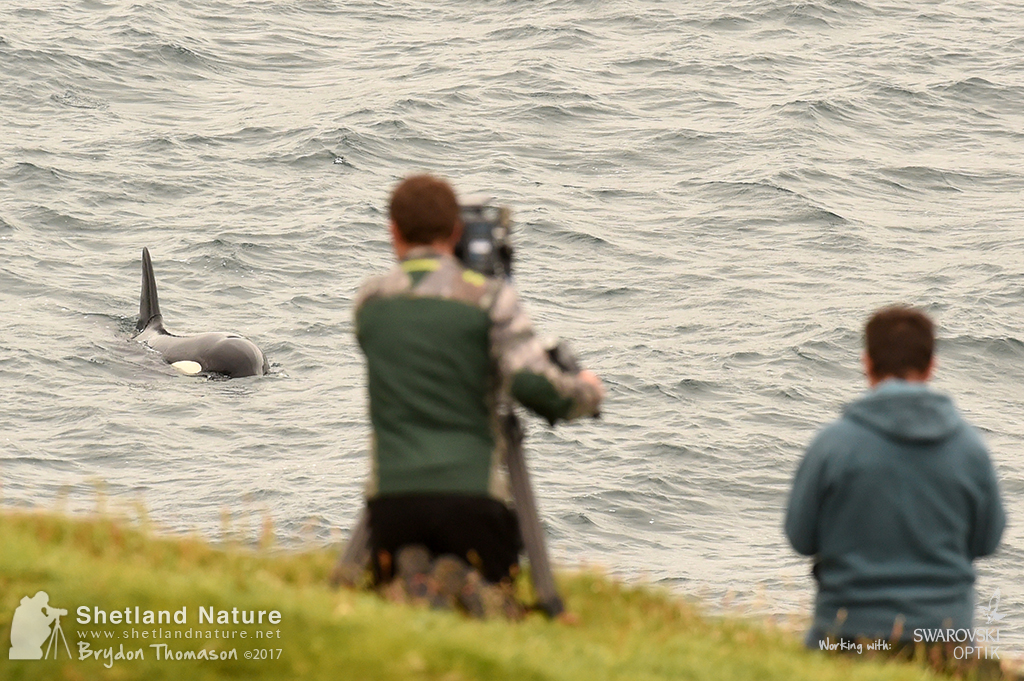
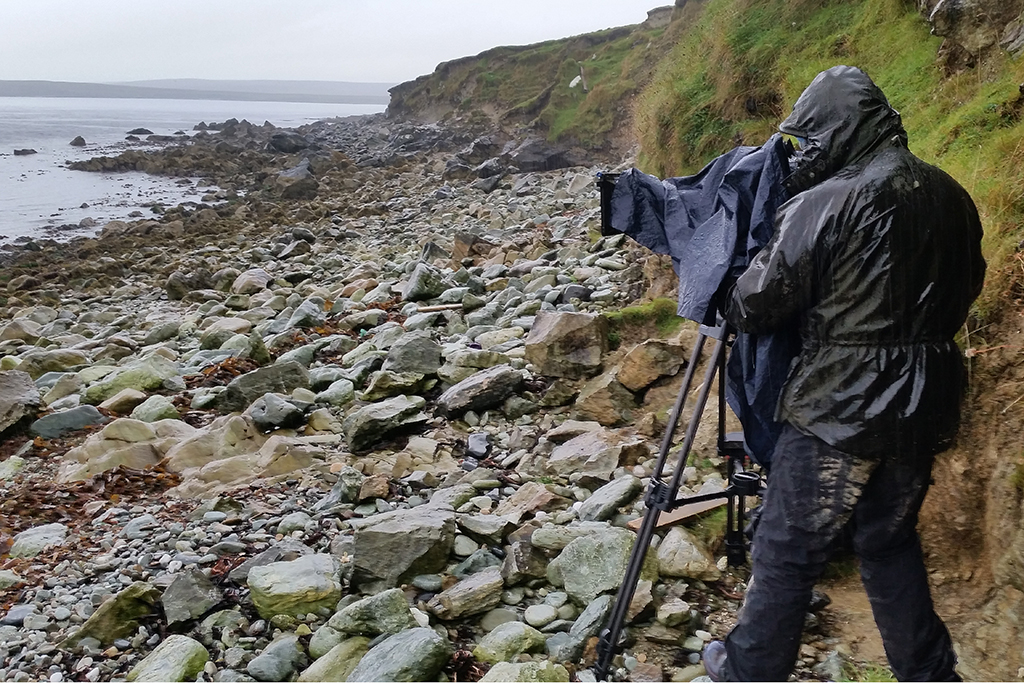
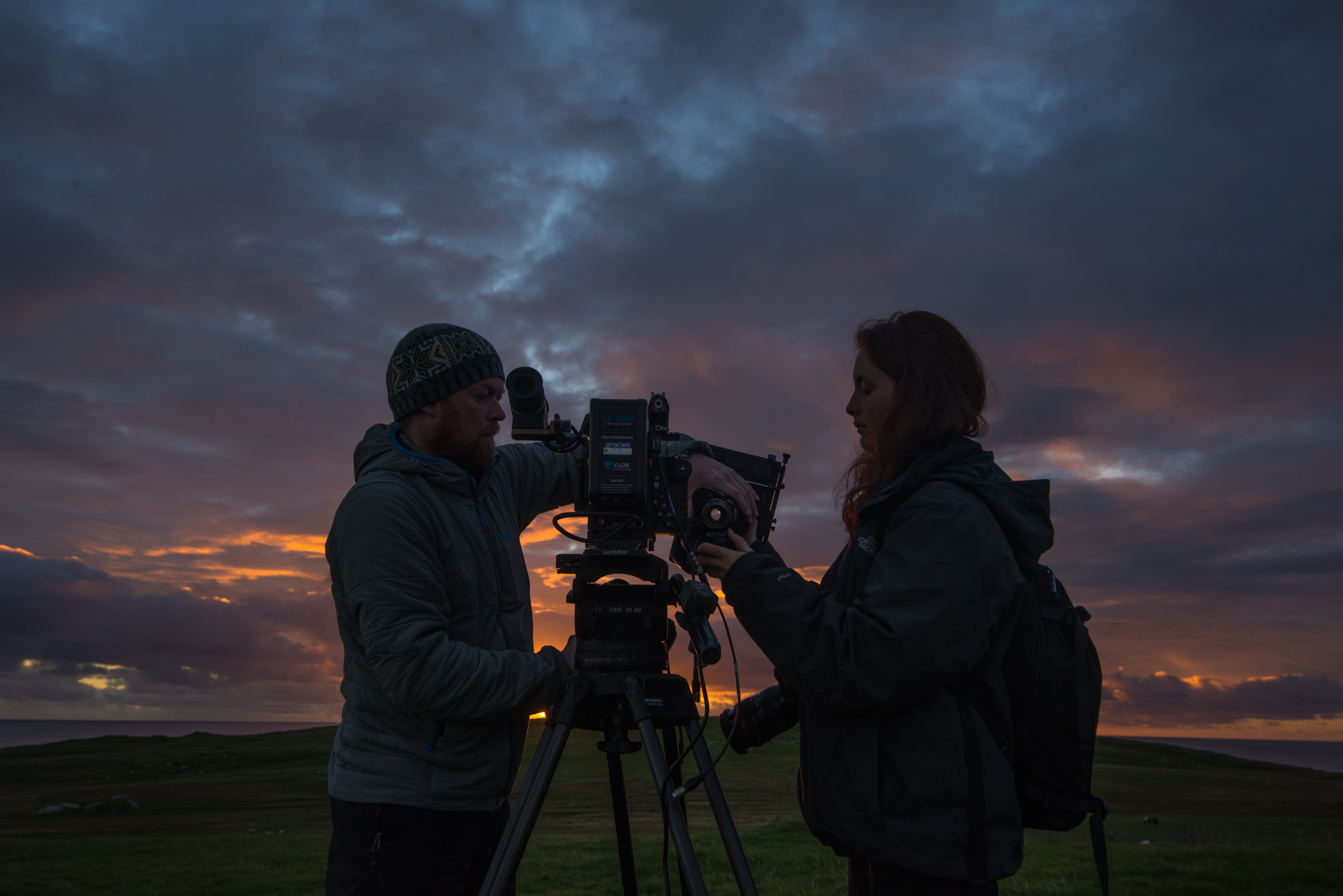
The team we worked with were fantastic, making our jobs all the more enjoyable. Cameramen such as Raymond Besant, Justin Purefoy and Fergus Gill were not only exceptional behind the lens but true gents and better still, great craic too.
The whole team at Maramedia deserve a mention and high praise, from the researching through to the final edits as do Fraser Purdie for the music and indeed Ewan McGregor for the narration – bringing a touch of Hollywood to the production!
The whole film making process is fascinating and extremely emotive. Everyone gets on the same page and gives it their all. Each of us, with our respective areas of expertise collaborating and coming together with ideas and solutions to get the best out of every shoot.
As well as facilitating and advising on many aspects of the film, our main role was as otter consultants and field guides. This was a dream assignment for us – to work on a family from their first few weeks of venturing out of their natal holt, through to the eventual family separation. We work on otters week in, week out throughout the seasons and especially for projects like these, need to know what they are doing, where and when.
It’s crucial we get the crew in the right place at the right time. But there is a balance between what the team might want; what will look good on screen, what’s possible – but most importantly, making sure the wildlife comes first – that is our primary responsibility.
It has to be said here that the Maramedia team were respectful of this at every stage and we were impressed by this from the outset. Many production companies want to push things, which never works with us but they have a very good and responsible understanding of this.
The standard of wildlife film making has moved on to an astonishing level in recent years through the combination of technology and indeed tenacity. Each new documentary series reaches new heights in how wildlife is filmed and brought to our screens and now, through this fantastic film Shetland will stand out like never before.
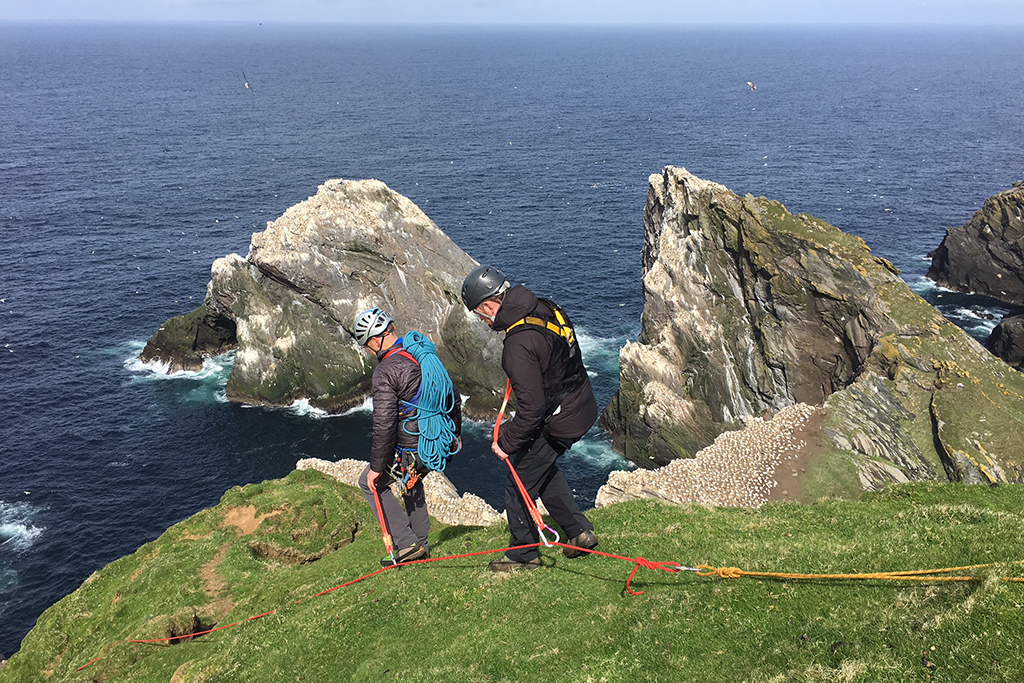
Many of the sequences shot are truly unique, never having been filmed in Britain before and I am especially pleased for Richard to have some incredible footage in the film as well as a stunning timelapse done by Rob Brookes. It was also great to have Shetland Seabird Tours involved for the Noss Gannet sequences.
This film is a beautiful, exciting and inspiring celebration of Shetland, its wildlife, cultural heritage and natural beauty. It is the result of many individuals and professionals committing whole heartedly to have made it what it is and we, like everyone involved are extremely proud – we hope it’s as much fun to watch as it was to make!
Permalink