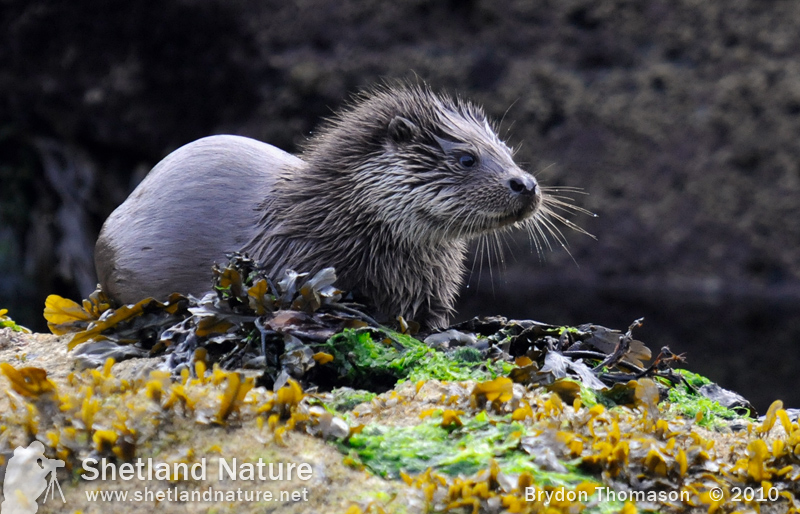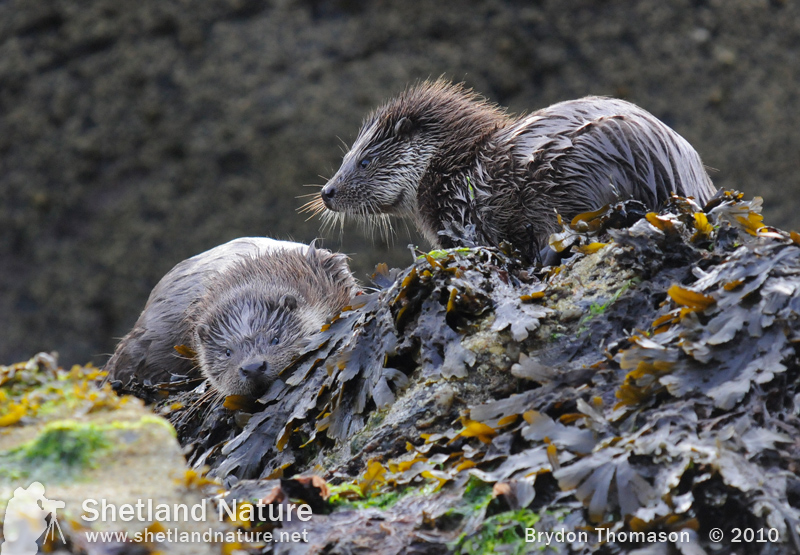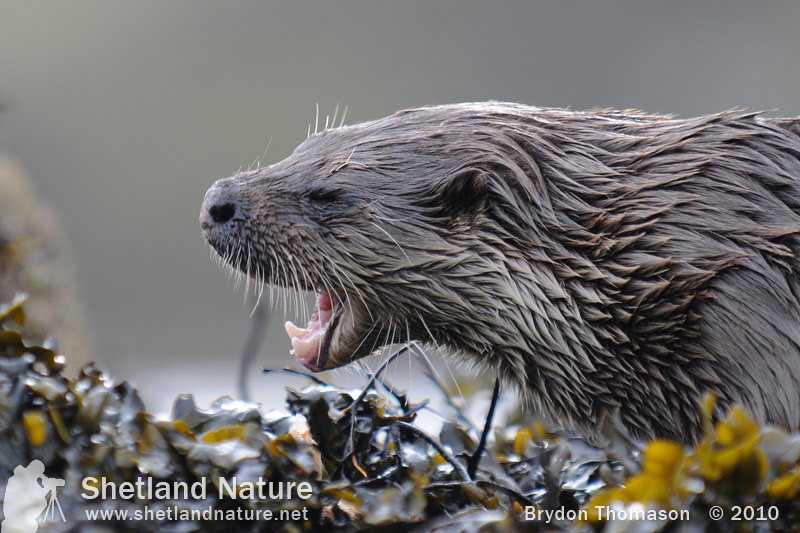

Otter Photography with Brydon Thomason
Brydon has grown up with “his” otters and understands them better than anyone else I know.
I spent a week with Brydon during which we found otters every day, leading to some superlative photography… David Tipling
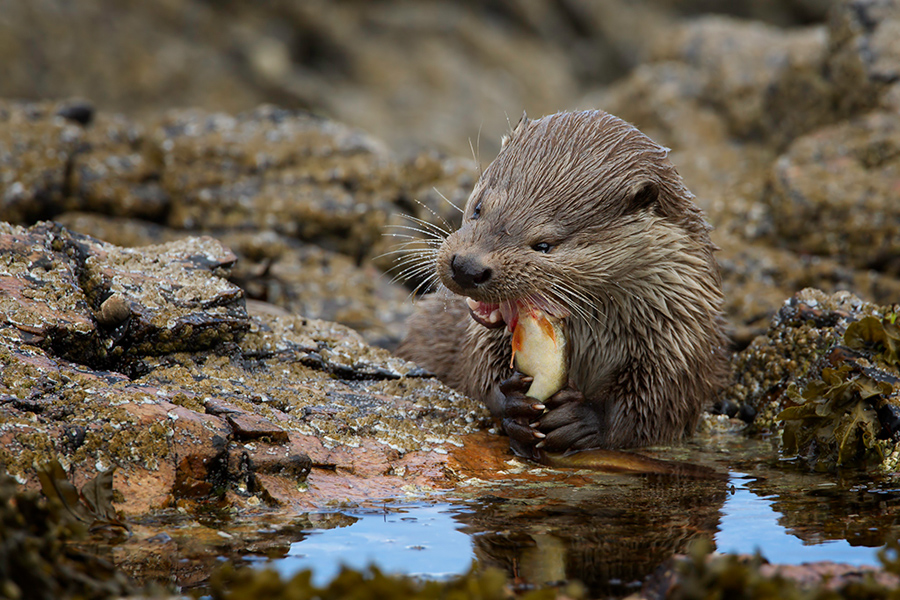
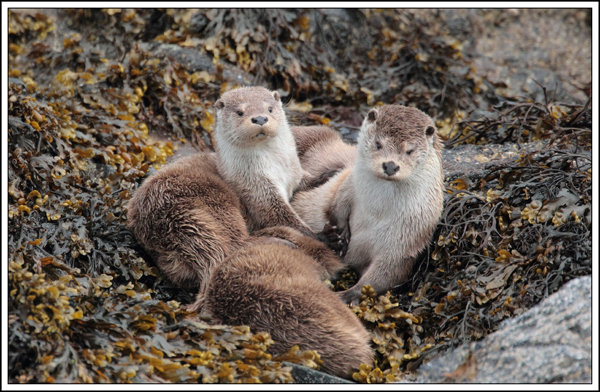
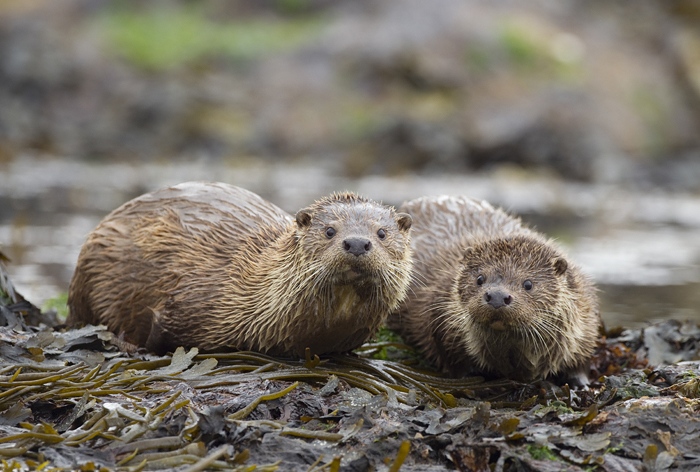
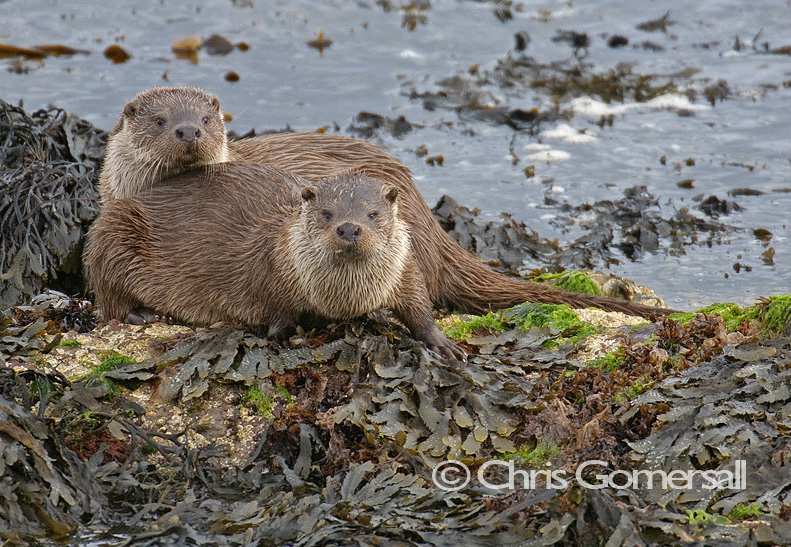
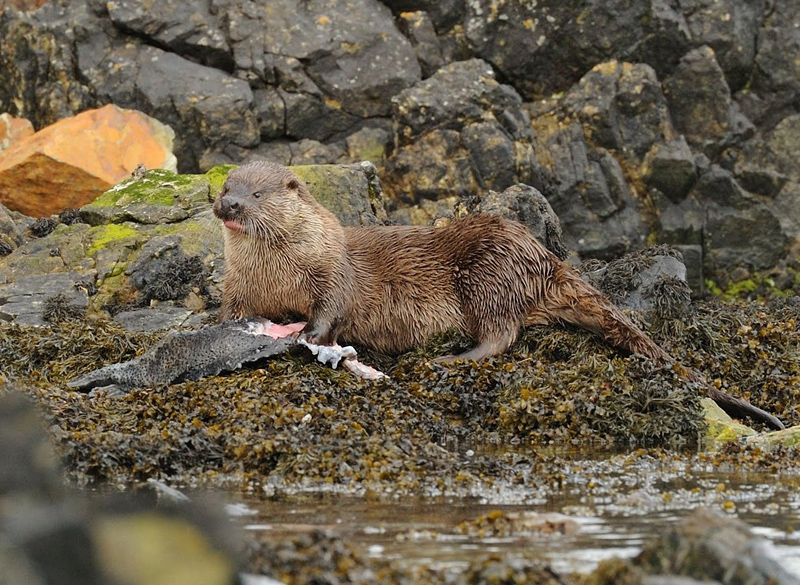
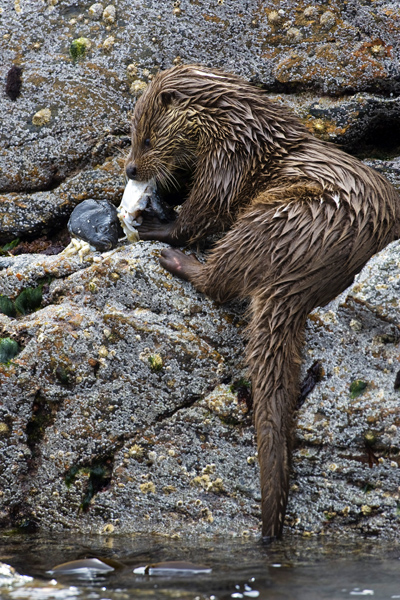
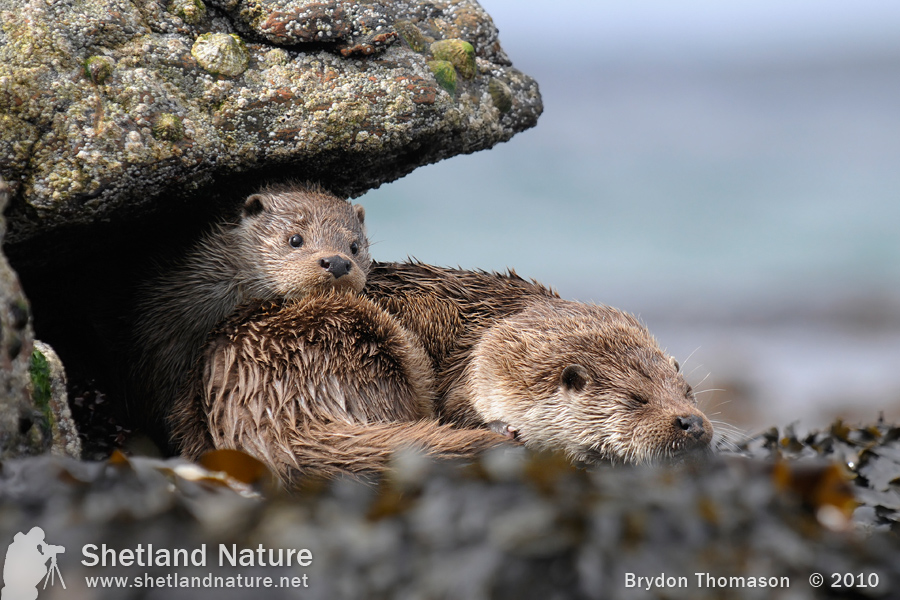
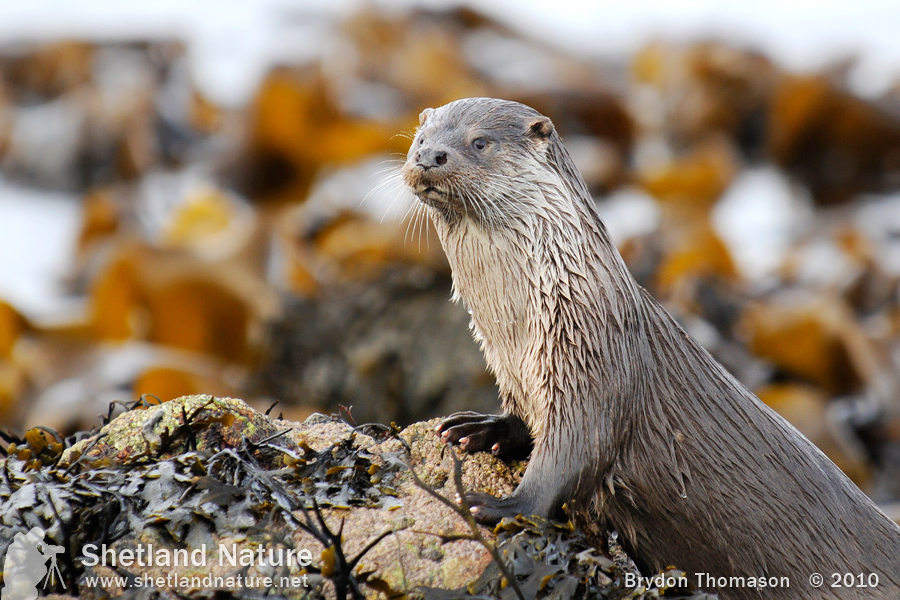
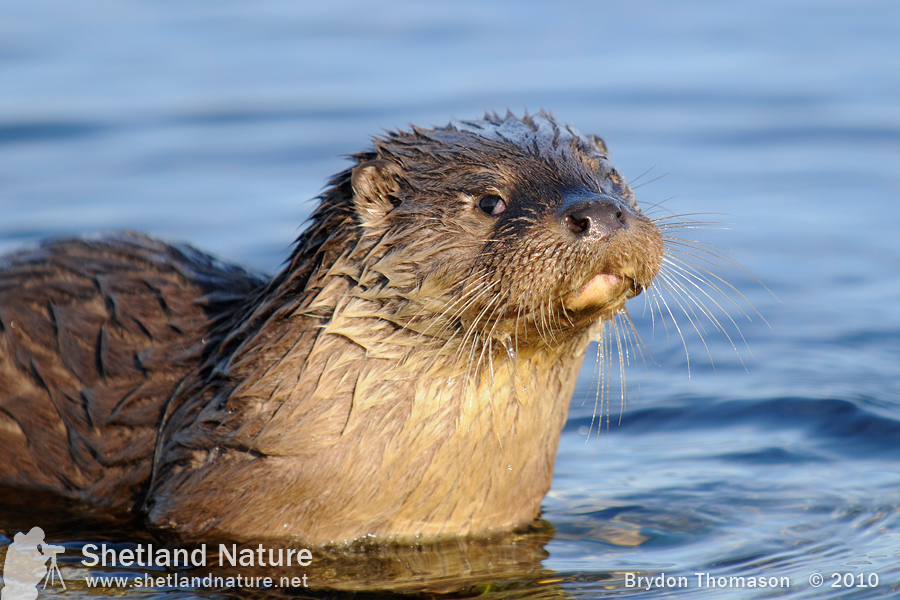
Wild Otters are undoubtedly one of the most sought after, challenging and ultimately rewarding subjects for wildlife photographers in Britain. Few creatures encapsulate both the ‘aw’ and the ‘wow’ factors like Otters do; from their stealthy hunting and predatory abilities to the intimate, adorable and playful antics of a mother and her cubs.
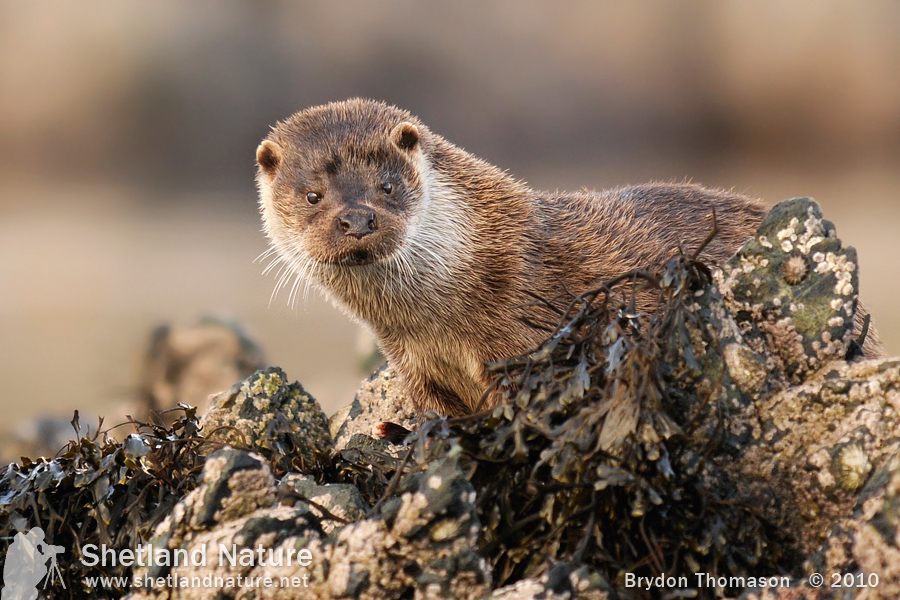
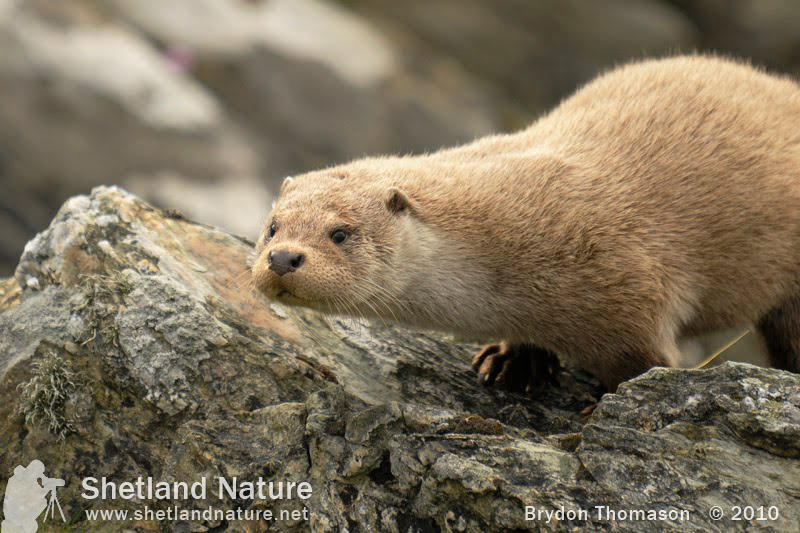
Shetland is arguably the best place in Britain to see Eurasian Otters with the islands actually boasting the highest density of these marvelously evocative mammals anywhere in Europe. Yet even with this advantage, many photographers often fail to enjoy an encounter, let alone photograph these notoriously secretive animals. For the lucky few that manage a sighting, they have usually wasted precious days of their holiday just trying to find a reliable site, and even then getting good photographic opportunities is often all but impossible…
Planning for Otter Photography
Success depends on so many elements coming together, starting with which season, availability and studying the tides and most importantly knowledge of the Otters and their territories.
However, it is in the field where the hard work really begins. Otters seem to have an acute nervousness- their elusive behaviour is renowned. For this reason stringent consideration must be given to the following factors to maximize chances of encounters (and the quality of them) but most importantly to avoid disturbance to Otters such as; state of tide, knowing an active site, wind direction, planning your approach, maintaining a minimum profile and so on.
The geography and terrain must also be considered so as to suit a client’s ability. A reasonable level of fitness is essential as reaching some of the best locations and especially getting into the best photographic position will often mean clambering over uneven terrain and shorelines.
What level of photographer are workshops for?
The Otter photography workshops are essentially very specialized in terms of the knowledge, expertise, nature of subject and the bespoke basis that they are run (almost exclusively one to one, see below). The level of photographer is probably best described as suited/designed for serious amateur to full time professionals.
Read recommendations from previous clients and recommendations from some of the nation’s top Wildlife photographers David Tipling, Peter Cairns, Hark Hamblin and Chris Gomersall.
What time of year or season is best?
I study Otters in Shetland 12 months of the year and enjoy each season for the different opportunities, encounters and behavior they bring. For mothers with young cubs, late autumn/early winter and indeed late winter/early spring can be very good. Families stay together for up to and often over a year so it is not uncommon to have cubs of different ages at different sites throughout the year however the majority of cubs are born in mid/late summer so by late autumn are usually becoming more active and adventurous.
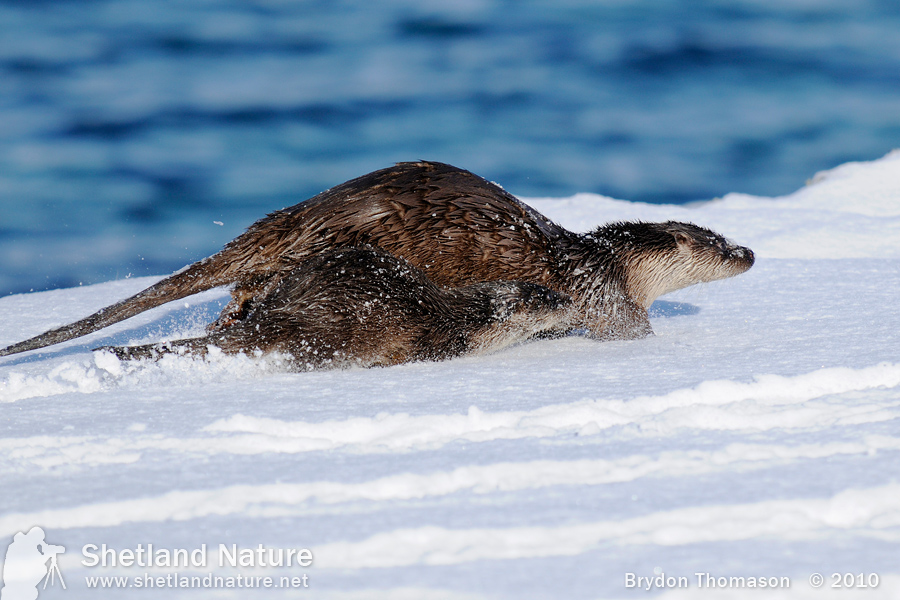
Midwinter is potentially the most difficult time for photography, mainly due to the short days and often very low light conditions (not to mention the weather!) however it can offer inspiring opportunities and privileged encounters such as Otters in the snow. This is probably one of the most sought after photo opportunities, especially with my regular clients although pretty much impossible to plan for!
Please Note that advanced booking is absolutely essential to avoid disappointment. Recent years are seeing the bookings diary fill in well before the end of previous year.
Ethos on working with Otters
Photographers tend to be very focused on their goal of achieving that prize-winning image or perfect portrait and are often prepared to do whatever is necessary for the best possible chance of success. But my ethos when working with these animals is well communicated before we set out – the otter’s well-being always comes first. Every care and consideration is taken to avoid disturbance. Otters are protected by law under the wildlife and countryside act.
I operate under a schedule 1 license authorized by Scottish Natural Heritage.
It is important to note that factors such as weather, light and composition and so on are taken as they are found in respect of what an Otter may be doing and where they might be. These factors are simply taken on their terms, a sudden movement or change of position at the wrong time and the encounter can all be over. We will always endeavor never to disturb/disrupt Otters and their behaviour.
What are your chances?
Thankfully, serious wildlife photographers, and especially the many professionals I have guided, know the score when it comes to tracking wild animals. There are no guarantees but, to date, I have yet to have a client go home disappointed!
My only guarantee is that I put my heart and soul into every day and put all the above considerations into practice to maximize opportunities and encounters. Knowing and appreciating just how difficult, rewarding and ultimately emotive an experience photographing Otters can be is a huge motivation for me.
This is exactly the experience I endeavor to provide; communicating my passion and knowledge, the thrill of the chase, the adrenalin buzz involved in tracking and then finally closing in for that all important shot is what motivates me and has helped build my reputation as a leading Otter guide.
Booking, Guiding fees and workshops
These Otter photography ‘workshops’ are designed exclusively on a one to one basis, with the occasional exception of two photographers (or photographer and partner) travelling together. Photographing Otters is not conducive for groups without risking disturbance.
In order to maximize the chance of sightings, encounters and photographic opportunities (and also variation of light and weather conditions) three days is recommended.
Fee: from £250 per day (based on one to one), contact for price of additional photographer if applicable. Multiple day booking discount rates may apply.
Please ask for information or advice on accommodation options which may be more logistically suited for locations and sites we may use.
Please note 2012 availability already very limited.