Archive for the ‘Birding in Shetland’ Category:
Shetland Autumn Birding 2014
Posted by Brydon Thomason on Wednesday 7th January 2015 | Birding in Shetland
Reviews from our 2014 autumn itineraries by leader, Chris Rodger
Some superb and very exciting birding for all our guests on the Shetland Autumn Birding itineraries which sold out all spaces, highlighting just how special, popular and widely known Shetland in autumn is now known to be. It’s fantastic to see that each year these itineraries become more popular and each year – the birds continue to deliver through the megas that turn up.
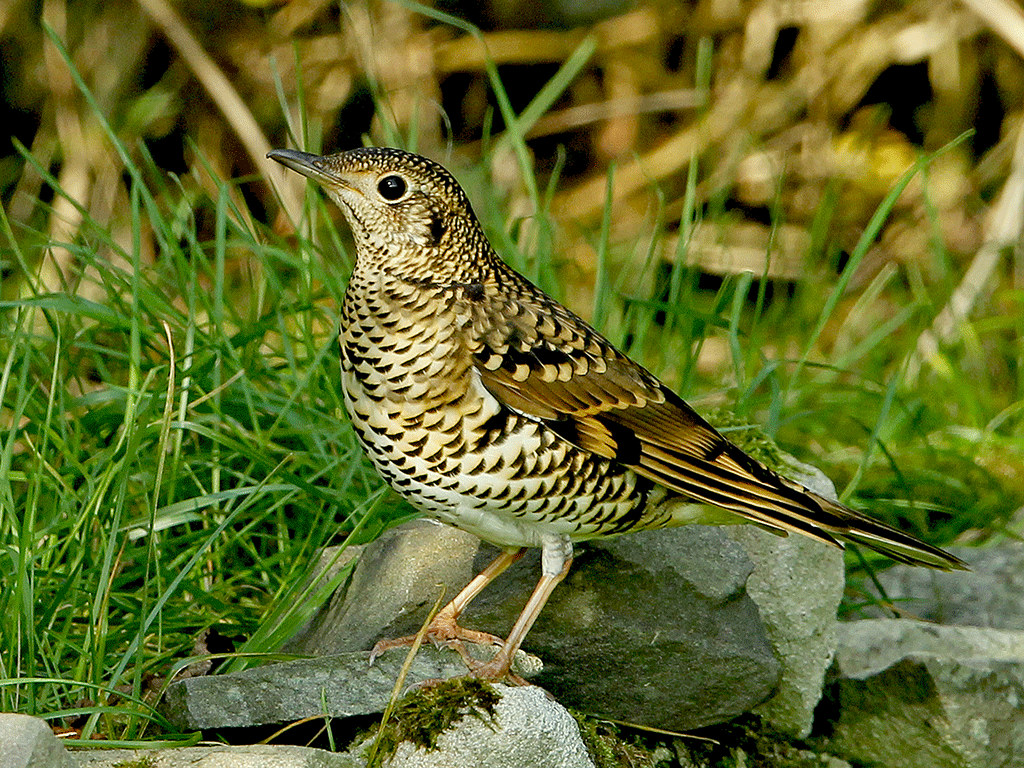
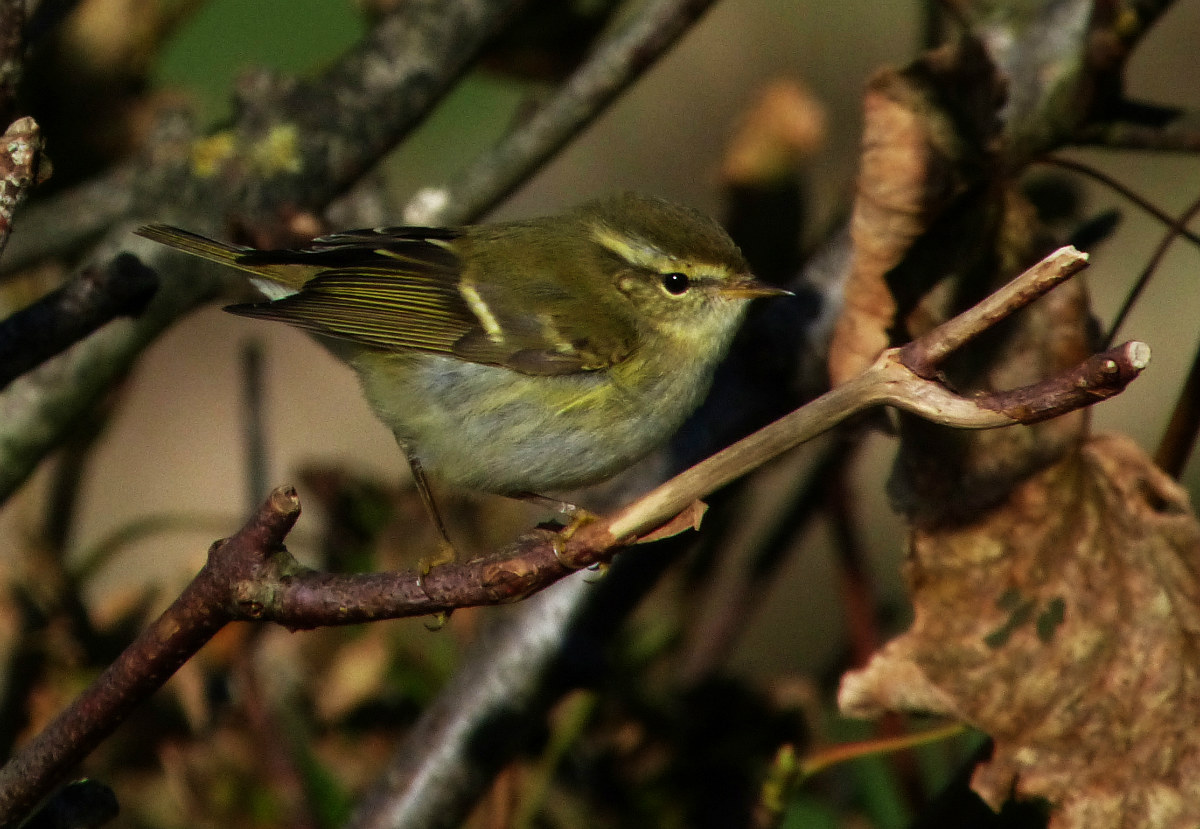
Over this period there were some superb quality headliners such as Swainson’s and Whites Thrush, Siberian Rubythroat and Yellow-rumpeded Warbler along with a fantastic supporting cast of rare, scarce and common migrants. As well as these and as we hope and aim for in these itineraries there was also some exiting team effort discoveries along the way such as Olive-backed Pipit, Pectoral Sandpiper and not to mention the Firecrest- which in a local context was a mega- a first for Unst! Great birds, great guests and great fun- here’s a review from Chris Rodger….
Guest Quote
Hi Brydon – just a quick email to say a massive thank you for an awesome birding holiday. I thoroughly enjoyed working lots of habitat trying to and finding our own birds. Chris was a fantastic guide and as you know put us onto all the ‘long stayers’ . His knowledge and field skills were superb and he constantly worked to keep everyone happy – no easy task at any time but especially more difficult as we had a broad range of birders with wide ranging knowledge and skills. I certainly hope to return for more of the same… I’ll be trying to plan next year’s work in order to get back up with Shetland nature.Andy Williams
An amazing day….the Whites Thrush alone was worth the cost of the entire trip and then there was the Yellow-rumped Warbler! Two mega rarities within an hour! What more could a birder want?!Andrew Riley
Week One 26 September – 3 October 2014 – in association with Birdwatch magazine
Day One
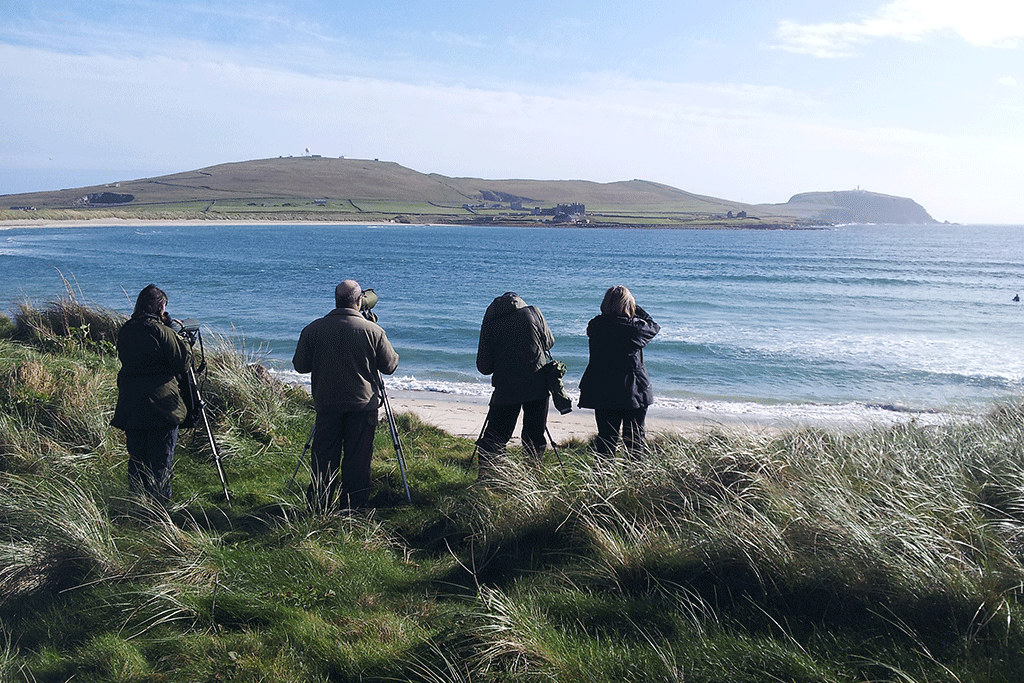
The first morning’s birding on South Mainland provided opportunity to introduce the group to the ‘art’ of team birding on Shetland. The tactics adopted when checking suitable crops, iris beds, nettles, thistles, ditches and gardens were practised and a wide variety of ‘pishes and clicks’ were experimented with. Several skulking common migrants were manoeuvred into revealing themselves and it was clear that the team were ready to throw themselves into a week of migrant birding on Shetland!
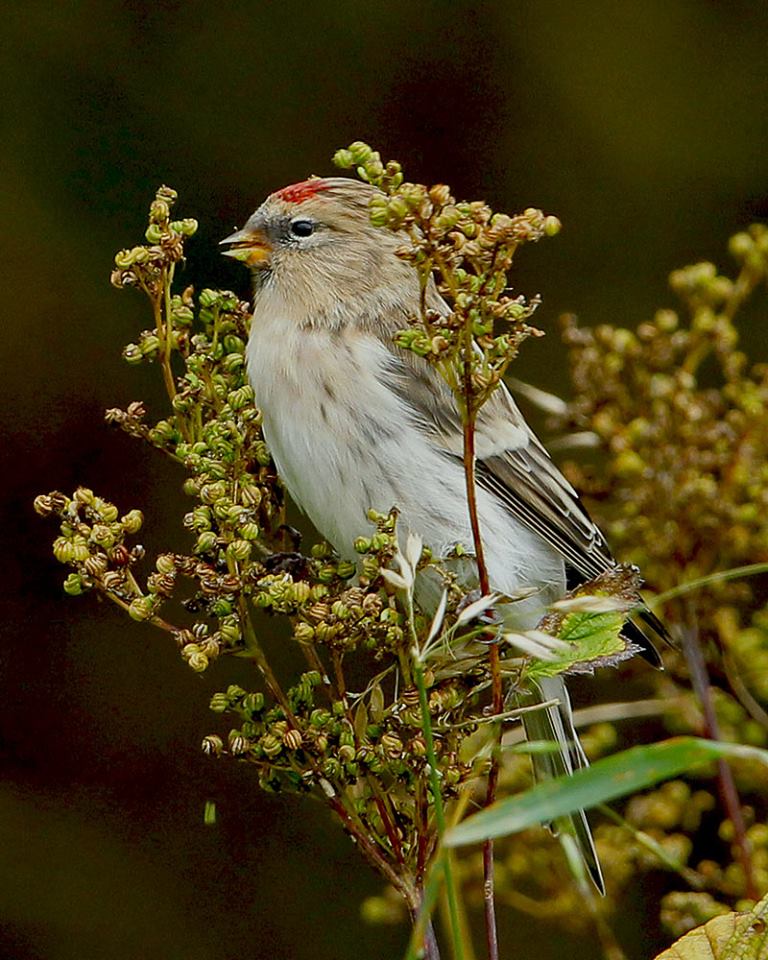
A highlight of the day was a Hornemann’s arctic redpoll at Veensgarth. Although not a classic ‘snowball’, the bird displayed the key arctic redpoll i.d. features well for the group. It was accompanied by 3 indeterminate ‘mealy-type’ redpolls, allowing the group to enjoy the inevitable discussion on the intricacies’ of redpoll identification. Nearby, red-breasted and pied flycatcher were also seen. A couple of stops on the journey through to Unst provided another each of red-breasted and pied flycatcher, barred warbler and brambling.
Day Two
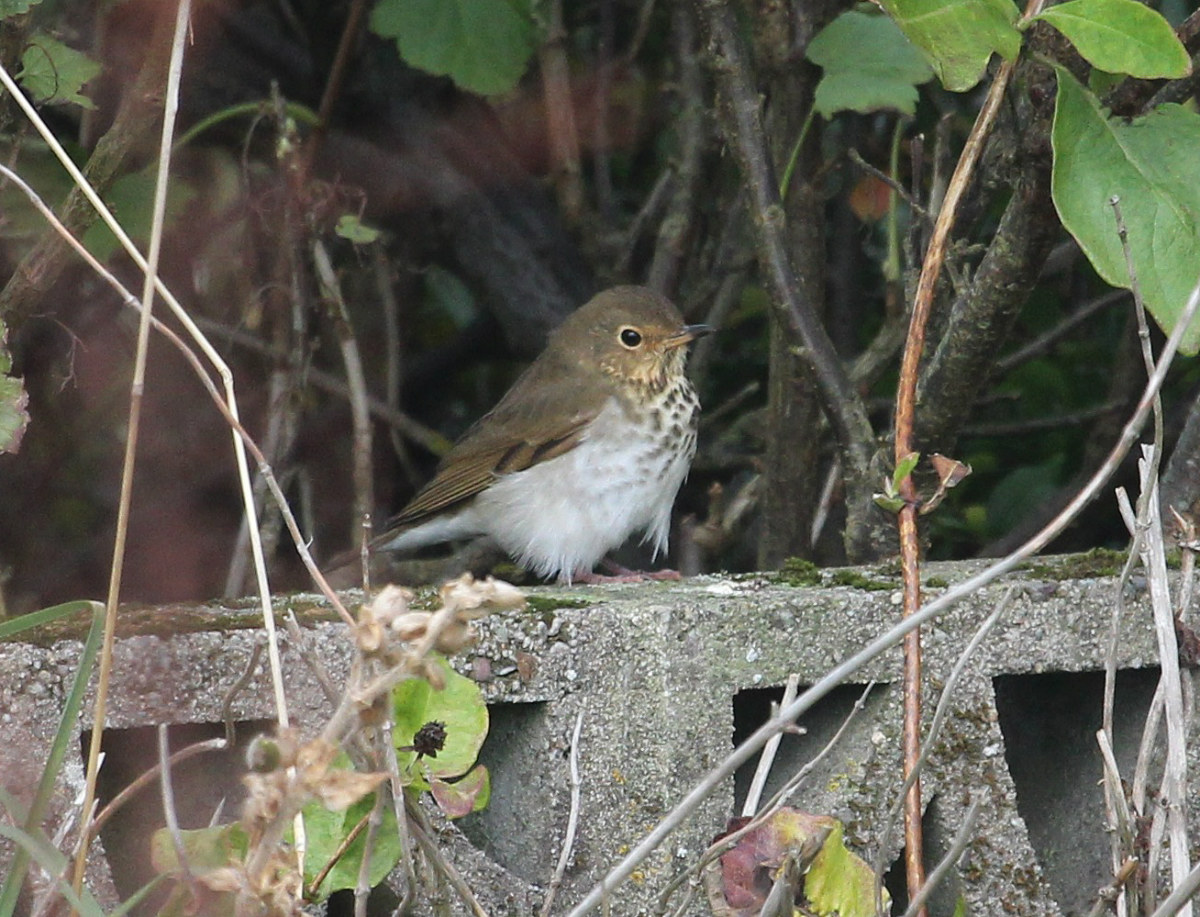
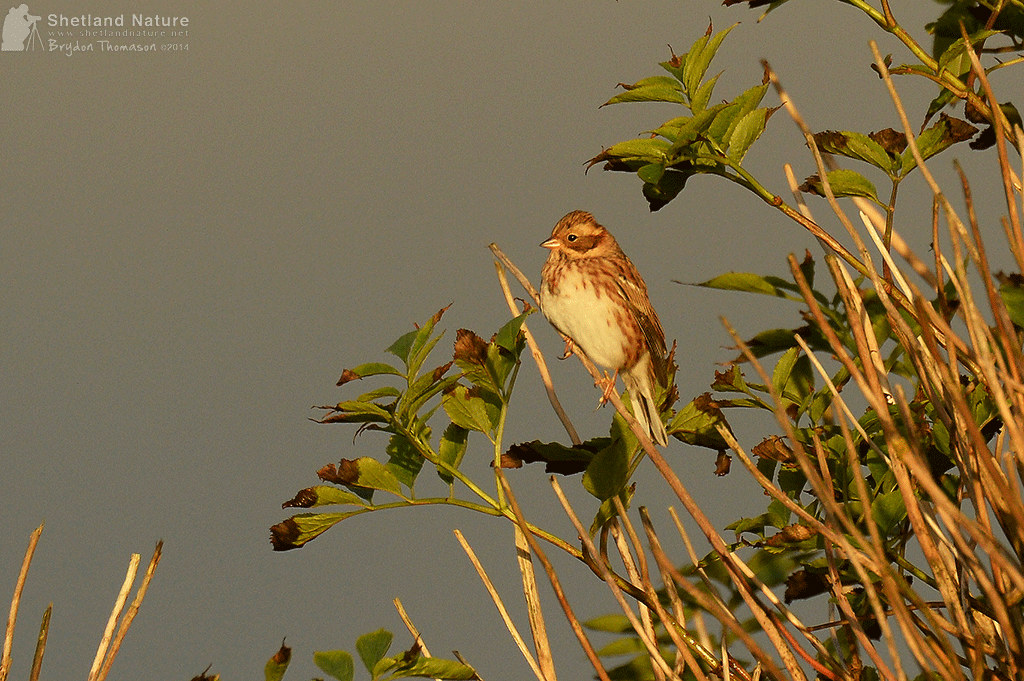
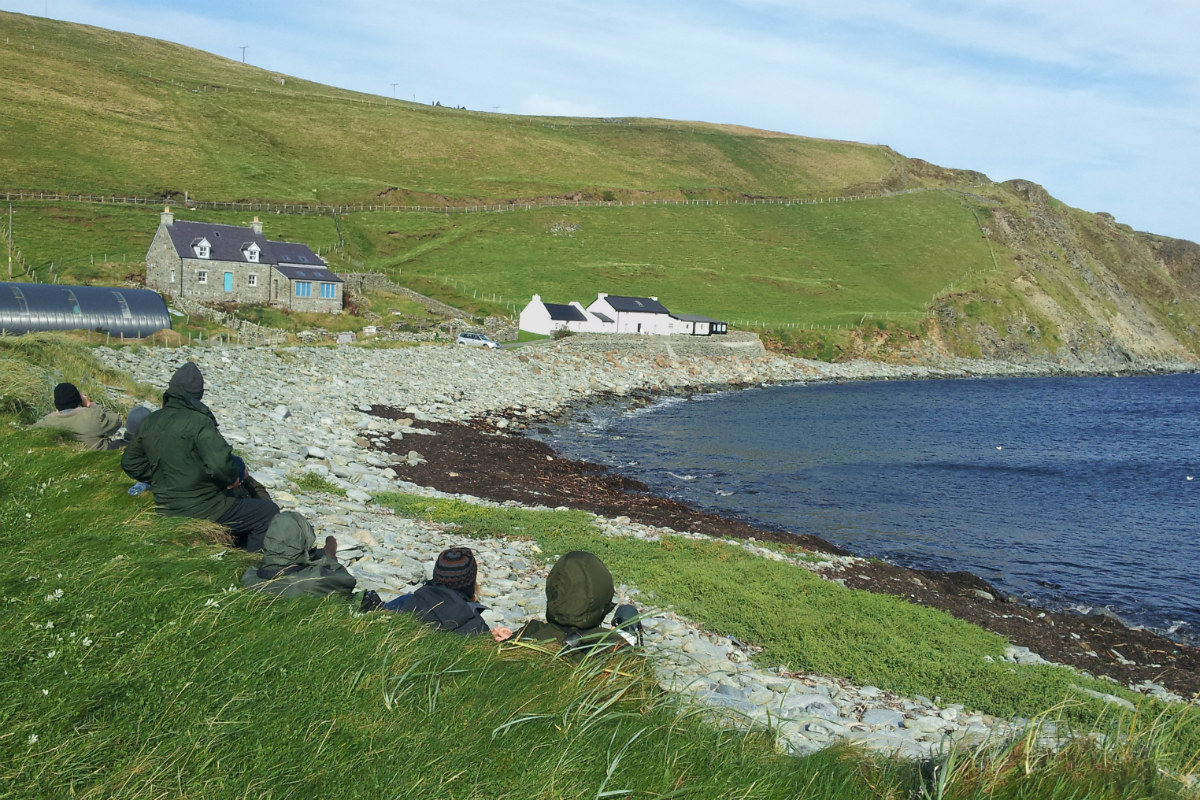
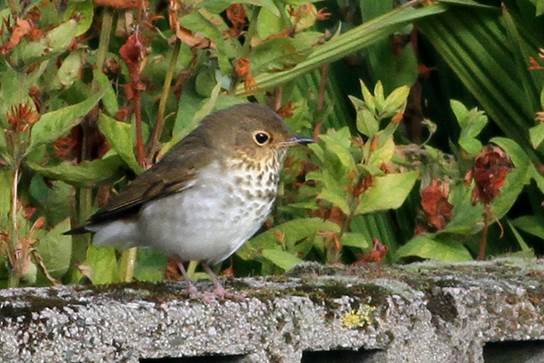
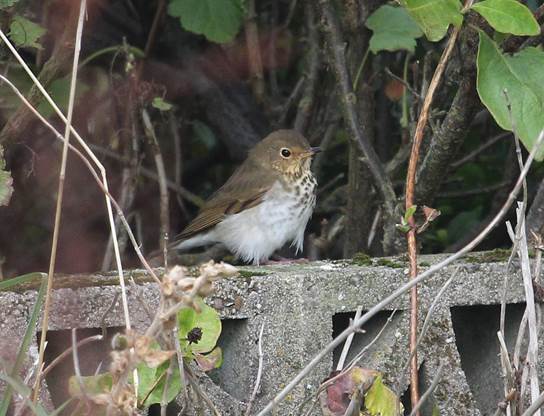
Following breakfast, a barred warbler put on a fine display, hopping along the Hotel wall as the group boarded the minibus. A grand start to the day, but little did we know that things would only get better, as today we were to experience the best Autumn birding Shetland can offer. The morning in Baltasound produced two quality birds, with excellent views of a smart male Eastern subalpine warbler followed by a long-staying but often elusive rustic bunting at Halligarth, which Brydon ensured was tracked down for the group to see at close quarters. Moving northwards through the island, a stop at Haroldswick allowed the group to enjoy a Temminck’s stint, before settling down to a peaceful lunch whilst watching a wryneck feeding on the seaweed-strewn beach at Norwick. However, this tranquil scene was quickly shattered with news that a Swainson’s thrush had been found just 500m away! Sandwiches discarded, a farcical few minutes followed as the bird fed behind a fence rail, above which only the two tallest members of the group were able to see. Attempts at piggy-backs and climbing onto the minibus to obtain views proved fruitless! Thankfully, the bird flew on to the garden wall and everyone managed crippling views of the nearctic mega – a lifer for the whole team. The remainder of the day had the team find a common rosefinch and a further two barred warblers amongst a selection of commoner migrants such a lesser whitethroat and whinchat.
Day Three
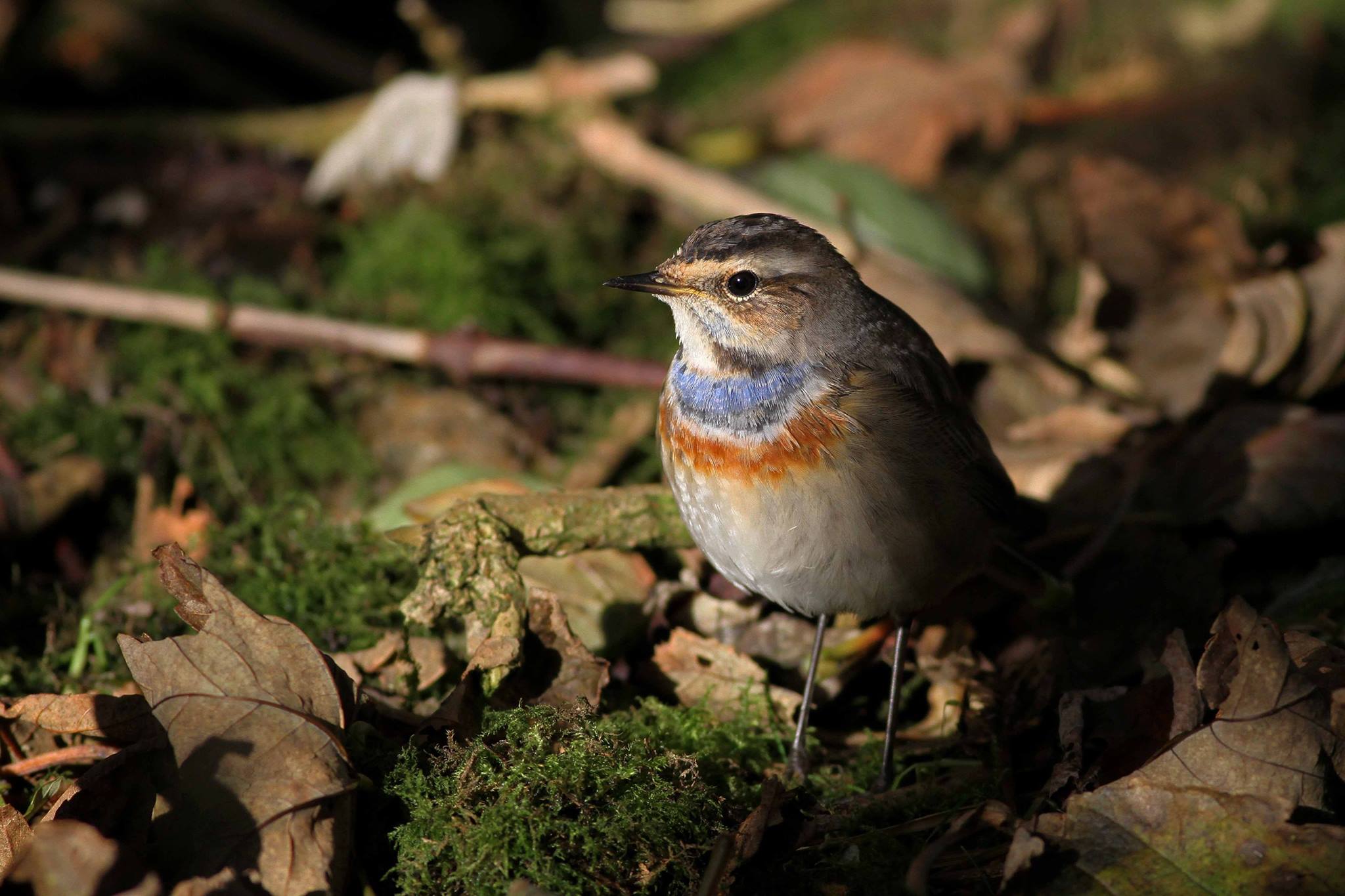
Today the team again birded around Baltasound in the morning, returning to see the subalp and rustic again, because they were so good! A pleasant mornings birding included a very obliging bluethroat, three more barred warblers, yellow-browed warbler and jack snipe. Fine views of otter feeding rounded the morning off nicely.
In the morning the north end of the Unst appeared to be well covered by other crews, so we decided to explore the lesser-known birding spots in the south of the island. Working these sites produced a few common migrants including yellow-browed warbler and lesser whitethroat, as well as some classic Shetland scenes, such as large flocks of linties (twite) in the neep fields and an amazingly confiding otter on a secluded beach.
A team challenge was set when we arrived at the thistles at Lund. Here, the team were presented with an ‘unstreaked acro sp.’, which they were tasked with identifying amongst themselves (mainly for educational reasons, but partly out of mischief on the part of the group leader). Through careful observation and assimilation of the key features, the group did extremely well at arriving to the correct conclusion that they were observing a first-year marsh warbler. An impressive identification of a very tricky species.
Meanwhile, in the south of Shetland, the big news was the double-header finding of two mega’s; yellow-rumped warbler (relocated after a frustrating brief appearance) and White’s thrush; a classic Shetland ‘East meets West’ scenario.
Day Four
Despite the presence of two Mega’s at the opposite end of Shetland, it is a credit to the team that after a group discussion the decision was to stick with the plan to visit Fetlar, rather than twitch the length of the archipelago- with the plan to go on news next day. The philosophy of ‘if those birds are turning up down there, imagine what we could find up here?’ is indeed admirable. However, despite scouring virtually every iris bed, ditch and willow on the island, we could only reply with a couple of yellow-browed’s amongst the commoner migrants. The team’s efforts were gallant indeed, and a reminder that, despite how it may appear to birders from afar, rarity finding on Shetland involves considerable hard graft, sometimes with scant rewards.
Day Five
With news that both the White’s thrush and yellow-rumped warbler had remained on South mainland, coupled with being shown endless photos and video of the birds by the ecstatic birders who had made the journey – relief, optimism and excitement levels peaked: the twitch was on!
Anticipation rose with every one of the 77 miles and two-ferry journeys down the Shetland chain and the excitement was at fever pitch when we arrived outside the garden where the White’s thrush had settled. From a personal point of view, seeing this iconic ‘sibe’ for the first time exceeded already sky-high expectations; it was simply stunning and one of the most overwhelming birds I have ever seen. Judging by the reaction of the team, the bird elicited similar emotions!
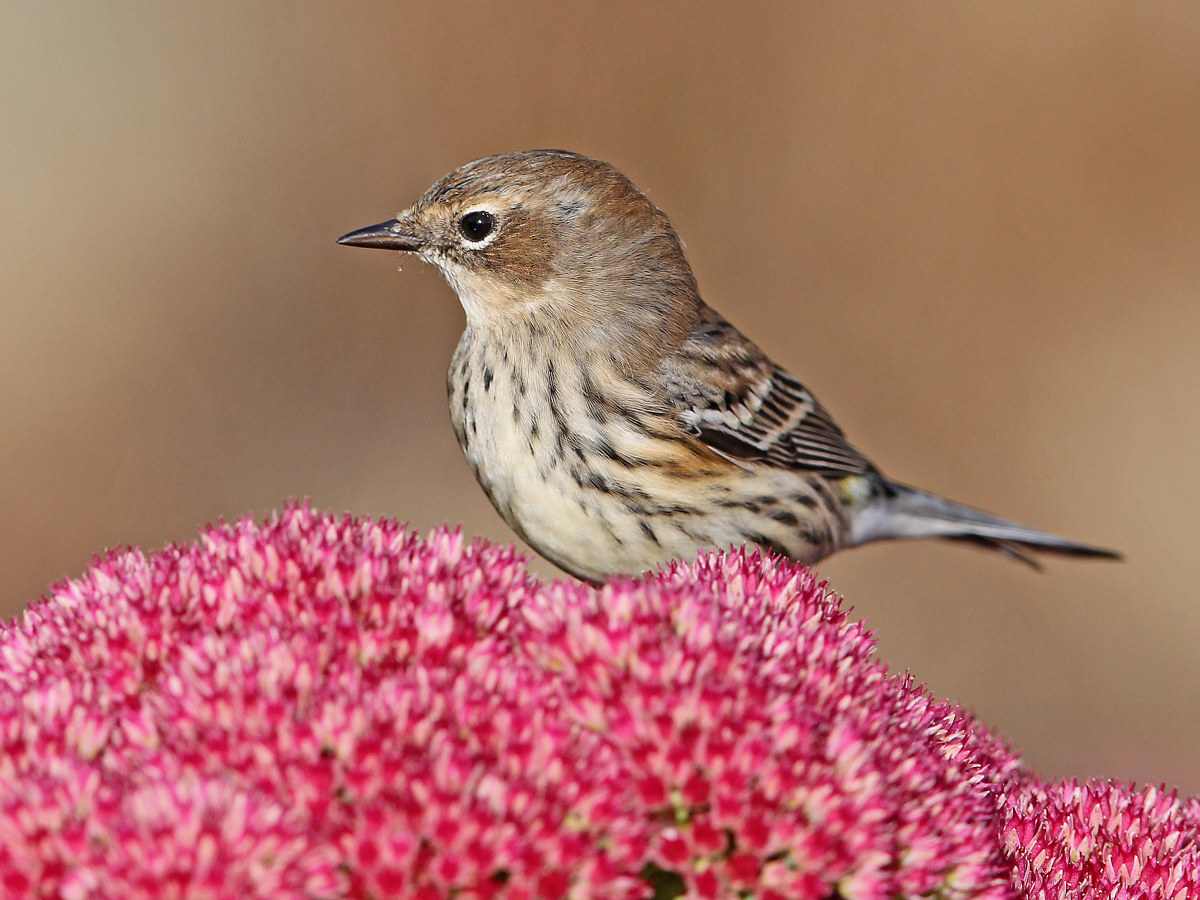
Next stop was for the YRWarbler, which gave fantastic views as it busily fed amongst the attractive flowerbeds of the Grutness garden. Cracking views of a yank and a sibe in a morning; as a certain well-known birder would say – BOOM!
Day Six
The final day was spent stopping at various sites on Yell and mainland on our way to the hotel at Spiggie. A good selection of common migrants were seen, with a few new birds for the trip to bring the total to 92 species. Whilst a relatively modest in terms of species diversity, the total included five BB’s and a whopping 46 lifers between the seven experienced birders on the trip. Not bad for a week of westerlies, and the team were all ecstatic with week’s haul.
News breaking of the Siberian rubythroat at Levenwick was however well beyond the possibilities to connect as guests were already on route to destinations south (all but one – a certain Mr Andrew Dodd who was staying with us for week two!). On the bright side, it arrived just in time to give Shetland Nature’s next cohort of Autumn birders the dream start to their Shetland adventure.
Week Two – 4th to 11th October
Day One
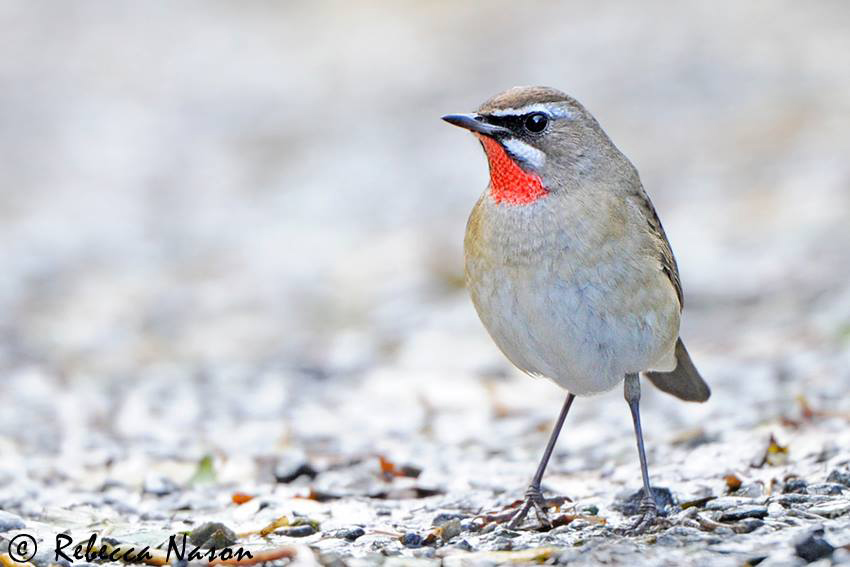
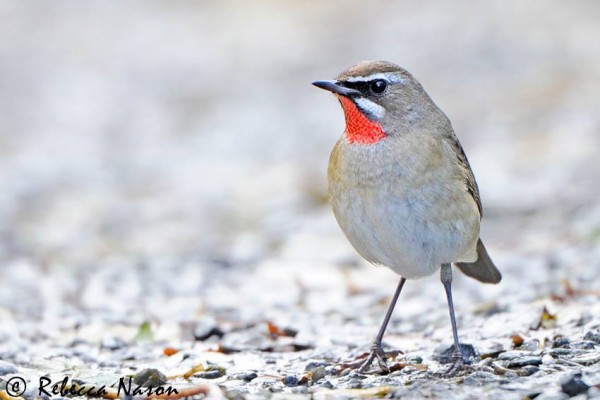
Could you wish for a better start to the week?- perhaps the most iconic and sought-after of all Eastern vagrants, a fine male Siberian rubythroat! Not surprisingly we strted the tour started ahead of the scheduled 6p.m. start to ensure that our guests had the dream start to their trip.
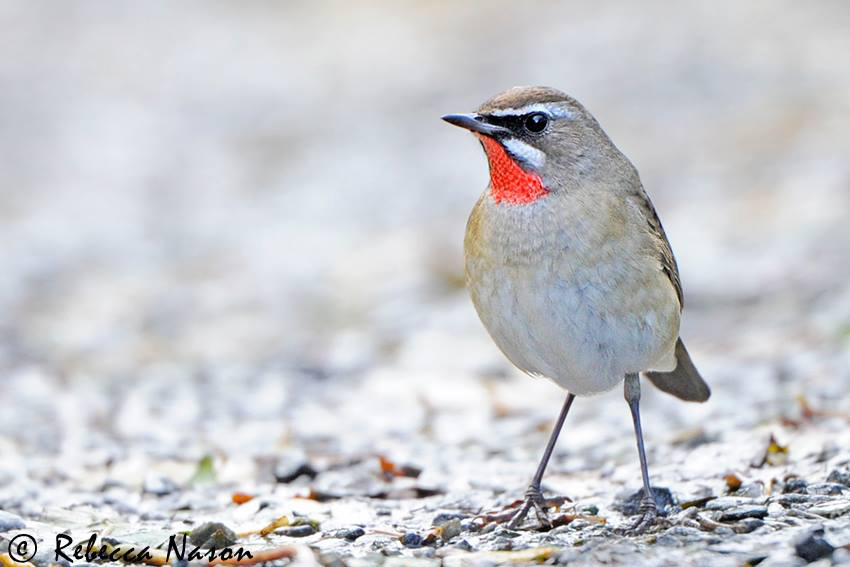
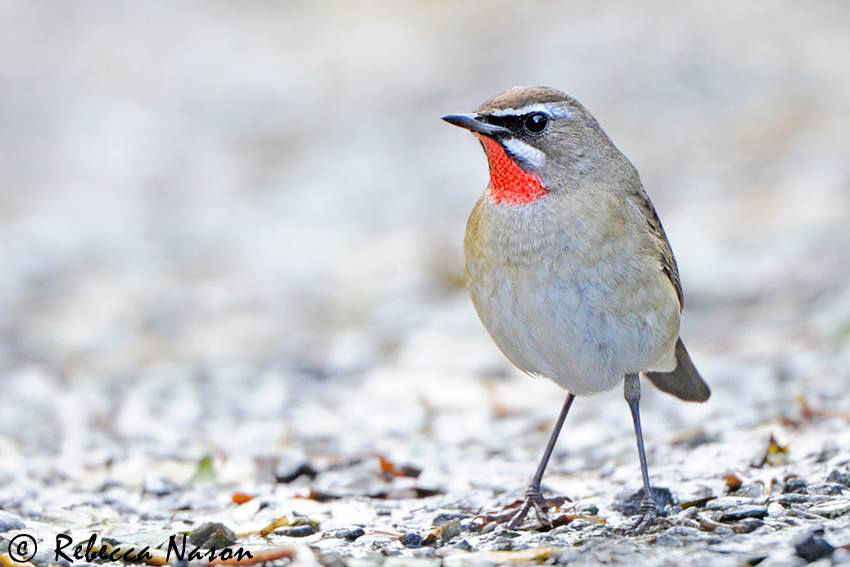
The group were met as they arrived by plane and boat throughout the day and expediently transported to the garden at Levenwick where this ‘sibe’ beauty was hopefully present for its second day. Oh were it so simple! With no sightings of the bird since 8 a.m., as the hours passed we became increasingly resigned to the prospect of a crushing dip. At around 4p.m. we were literally conceding defeat and heading back to the minibus when suddenly there came a shout from a nearby garden! After a mad dash and a wait that felt much longer than it really was, the bird hopped across the driveway for all the group to see! Ecstatic gasps came from the admiring crowd when the rubythroat turned full-front and revealed it’s brilliant the scarlet throat and black and white face mask. Stunning!
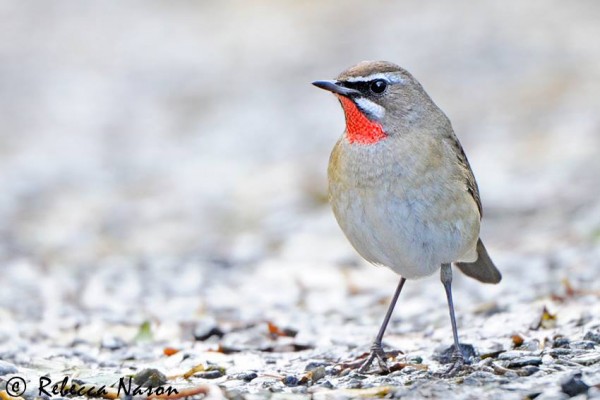
Siberian Rubythroat at Levenwick. Photo by Rebecca Nason.
Day Two
The team this week possessed extensive experience of Autumn birding on Shetland, including several Shetland Nature regulars, so we threw ourselves into ‘working’ Geosetter, a challenging ‘forest’ of cover by Shetland standards. Here we found our first two yellow-browed warblers of the trip and a fine pied flycatcher. There was plenty of wildfowl to be seen on Loch of Spiggie, including splendid views of slavonian grebe and scaup, with an evocative soundtrack provided by the excited trumpeting of many newly-arrived whooper swans. Next stop was Quendale, where there were good numbers of thrushes, goldcrest and blackcap along with a whinchat and a good ol’ scrap between a kestrel and merlin.
As we headed northwards towards our destination of Unst, a stop at Helendale provided another yellow-browed warbler.
Day Three
Although today didn’t provide any major rarities, it was a classic example of the excitement of seeing migrants making a massed landfall, literally all around us, as we birded the northern half of Unst. The drama was provided by a Force 10 southeasterly gale and heavy rain; whilst not the most comfortable of conditions, the weather conspired to produce a very tangible migration event, which makes migrant birding on Shetland so special.
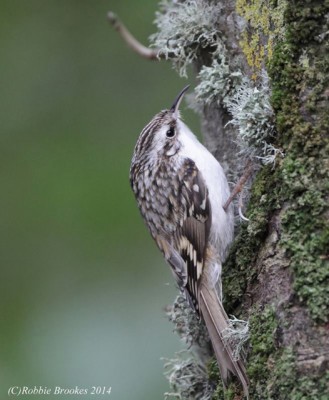
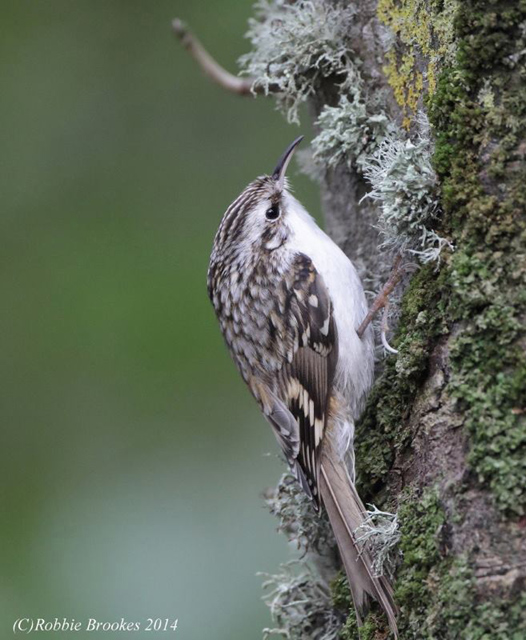
‘Northern’ treecreeper, Halligarth, Unst. Photo by Robbie Brookes.
After a brief stop for a grasshopper warbler, our first destination was Skaw, Britains most northerly beach. On arrival, there were relatively modest numbers of migrants, mainly goldcrest and redwing. However, as soon as the rain started, it became clear that goldcrest were falling out of the sky all around us, so much so that they were flying up from under our feet. As the morning went on, we continued to experience this mass arrival, including large numbers of song thrush, redwing and chiffchaff. A memorable sight was a newly-arrived yellow-browed warbler feeding among seaweed next to a long-staying wryneck.
After a mid-morning break, to dry off a bit, we went back out to sift through migrants as they moved ‘down-island’ to the more substantial areas of cover around Baltasound. A treecreeper had been reported from the mature sycamores of Halligarth, but not seen subsequently, despite much searching. It was Jim from our group who managed to relocate the bird, and the impression of a treecreeper he adopted to signal his find was truly memorable! The treecreeper, of the nominate ‘Northern’ form (C.f. familiaris), was strikingly different to our UK birds (C.f. britannica), with gleaming white underparts and flaring supercilium that positively glowed in the gloom of the plantation. The first record of treecreeper on Shetland was in 1859, which was killed by a cat in the very same plantation as today’s bird, so this second record for Unst was a mere 155 years in the waiting! The plantation was brimming with migrant passerines seeking refuge from the storm, mainly redwing, song thrush, goldcrest and chiffchaff, but also included two redstart and a yellow-browed warbler.
Day Four
Today’s birding throughout Unst involved sifting through the large numbers of migrants deposited by yesterday’s storm. The bulk of birds were of those species encountered yesterday, but also included a number of warblers that were probably hunkered down under Rosa bushes yesterday, such as garden warbler, lesser whitethroat, willow warbler and blackcap. Through the day, it also became clear that a number of blue tit and and great tit had been blown on to the islands by yesterday’s storm – both scarce species on Shetland. We were watching a great tit at Clingera (Baltasound) when Sam casually mentioned he had just seen a firecrest, not realising that these little gems are very rare on Shetland and this was a first for Unst! The firecrest fed busily with around 20 goldcrest for a wee while before the flock began to clump together to roost. By the time the local birders had arrived to twitch this island mega, it was lost somewhere within the feathery knot of roosting crests. Fortunately for the locals, the firecrest performed well for all the following day.
Day Five
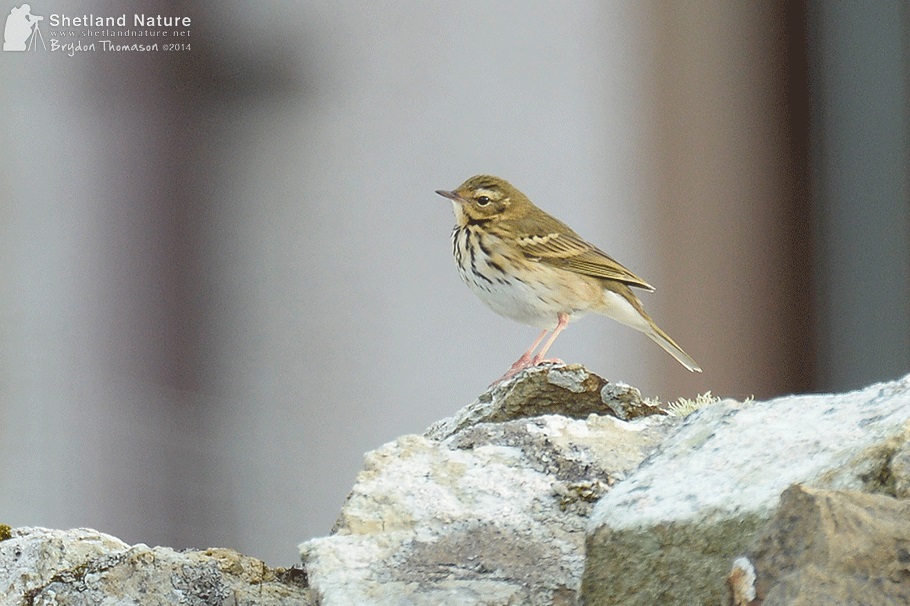
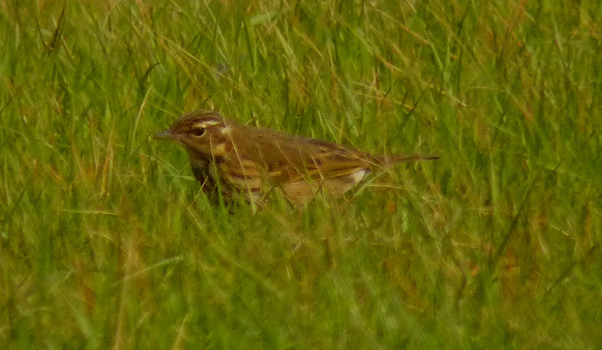
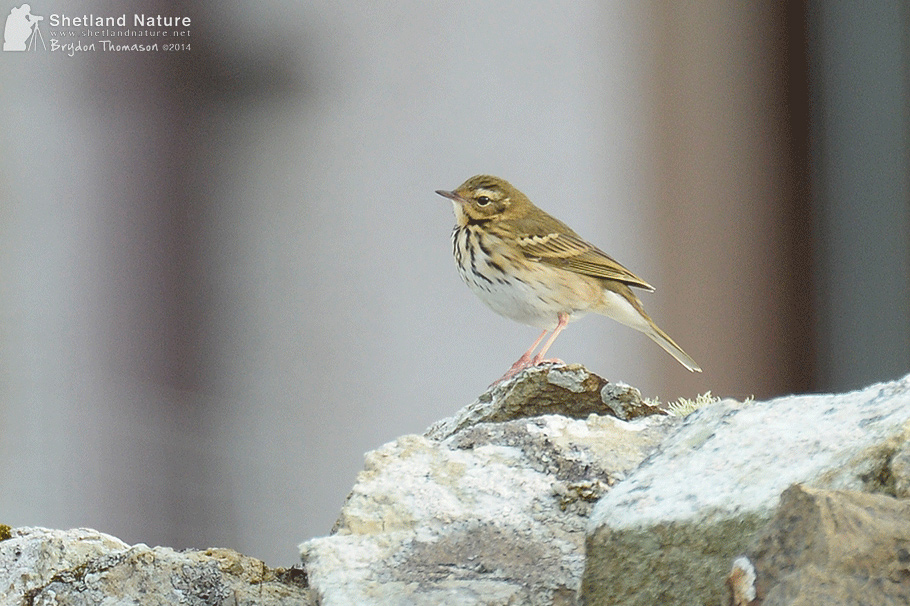
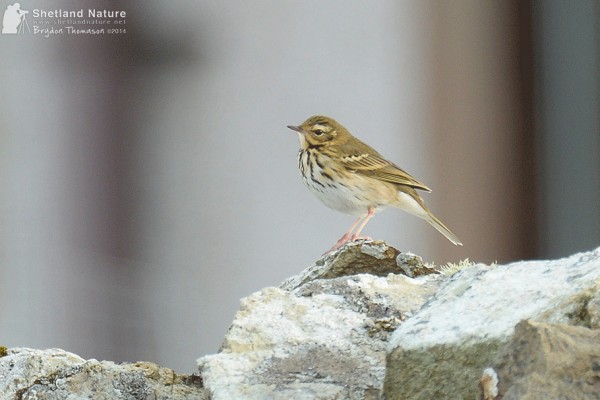
Fetlar was the destination for today’s birding and a fine day’s bird-finding it was, with olive-backed pipit and pectoral sandpiper both found by the group! The ‘pec’ was rather unobliging, giving only flight views, but was easily identifiable by its distinctive trilling call. The pipit, on the other hand, eventually gave excellent views when it settled in a garden at Houbie. Other quality birds seen were a very nice but rather shy Siberian stonechat and a fine male black redstart.
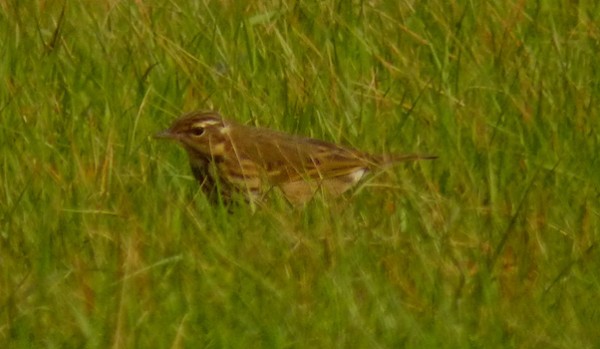
Olive-backed pipit: Houbie, Fetlar – found by the group. Photo by Chris Rodger.
Day Six
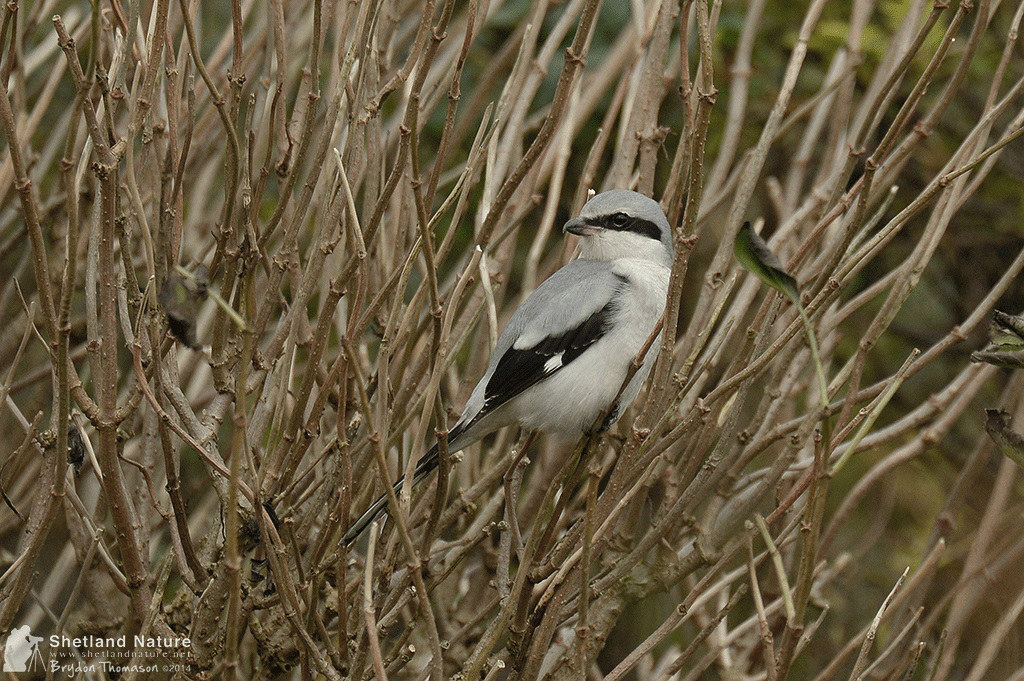
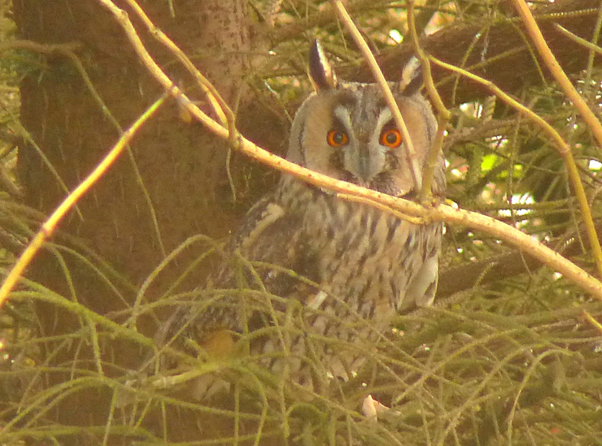
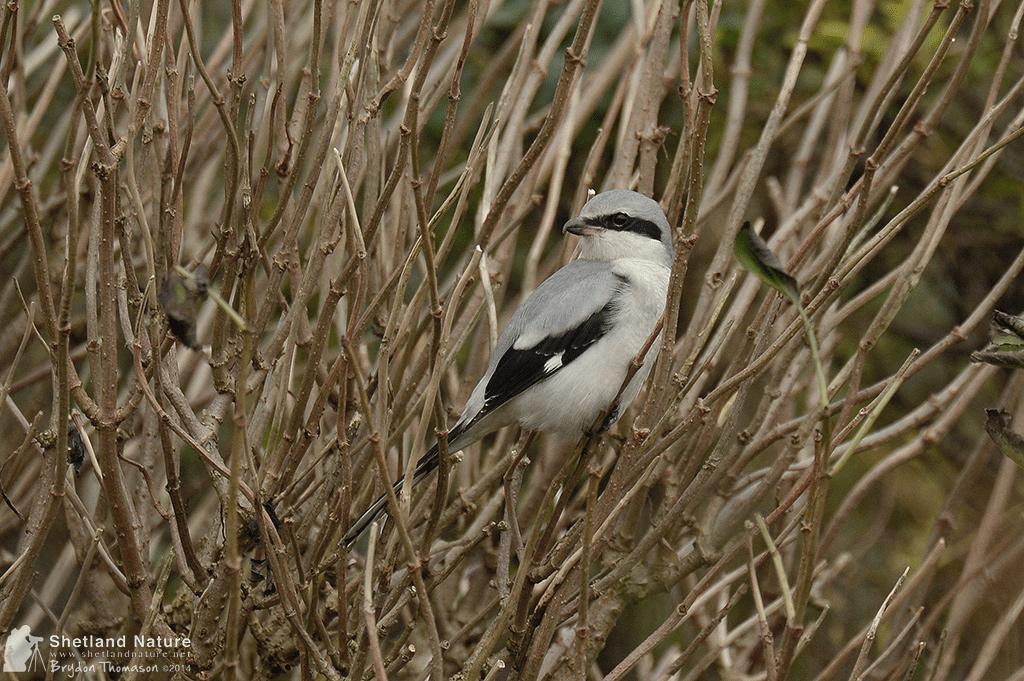
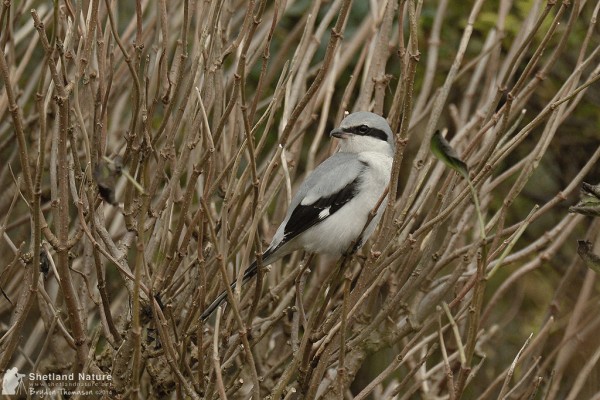
Today’s birding on Unst offered a good selection of migrants including fine views of a bluethroat in Balatasound, and two long-eared owls roosting in the conifers at Valyie. Highlight of the day was probably a fine great grey shrike – a mobile bird that had been giving us the run-around over the last few days. The group managed excellent views after the bird was finally ‘pinned down’ by Brydon at Northdale. The day provided plenty of other migrants of interest including tree pipit, black redstart and redstart and the first ruff of the trip.
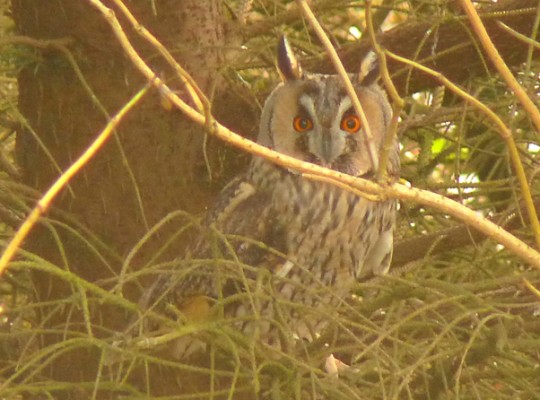
Long-eared Owl at Unst. Photo by Chris Rodger.
Day Seven
Today the group left the North Isles behind and headed south for our final day birding the mainland. A stop at Sandgarth yielded a yellow-browed warbler, and Hoswick produced a tree sparrow, common sandpiper and black redstart. Whilst we were at Hoswick news broke of a Western Bonelli’s warbler at Scalloway, so off we went! Unfortunately, the bird was not relocated despite a fair crowd having gathered, although two yellow browed warbler and finally catching up with blue tit provided some entertainment whilst we waited. By late afternoon, the group decided to bird a couple of sites on the south mainland which, whilst enjoyable, was slightly marred by the late news that the Bonelli’s had been relocated. Oh well, at least it was ‘just’ a Western…
Day Eight
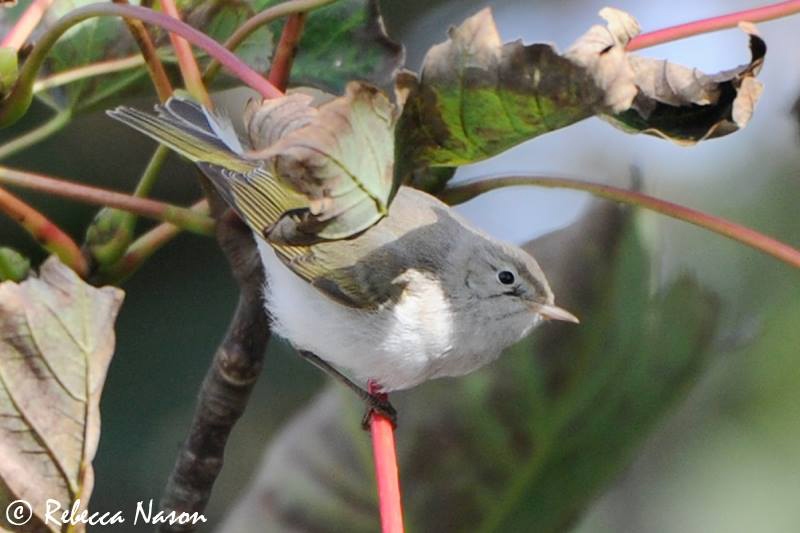
Most of the group had a wee bit of time in the morning before making their departures south, so it was decided to take advantage and enjoy some leisurely birding near Sumburgh airport. Shortly after watching another olive backed pipit at Pool of Virkie, we were informed that the Scalloway Bonelli’s warbler had been heard to give a monosyllabic ‘chip’ call, by sharp eared and eyed SN colleagues Phil Haris and Rebecca Nason (amongst others) and was thus believed to be the considerably rarer Eastern Bonelli’s. Once again, the decision was made to extend the trip beyond the allocated duration, so that the week could be bookended by megas! However, at this end of the week time was against us, and a ‘smash and grab’ twitch was required if we were to see the bird before our guests had to check-in for homeward flights. Frustratingly, the bird was rather ponderous by Phylloscopus warbler standards, moving slowly at the top of the canopy and giving only fleeting views before melting into the foliage. Thankfully, minutes before the absolute deadline for getting back to the airport, the bird obligingly fed in the sunshine at the edge of the canopy for all to enjoy – a great way to end the trip (and yes, we all made our flights in time)!
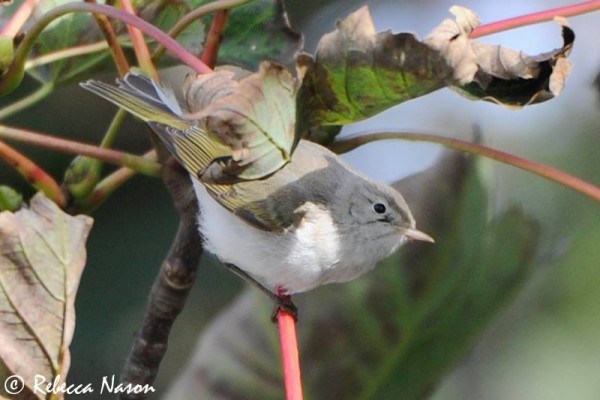
Eastern Bonelli’s Warbler at Scalloway. Photo by Rebecca Nason.
Chris Rodger
Permalink
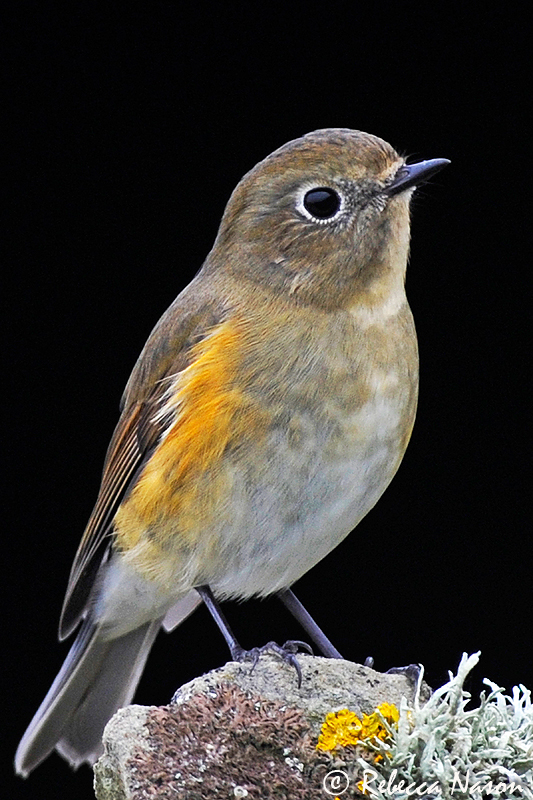
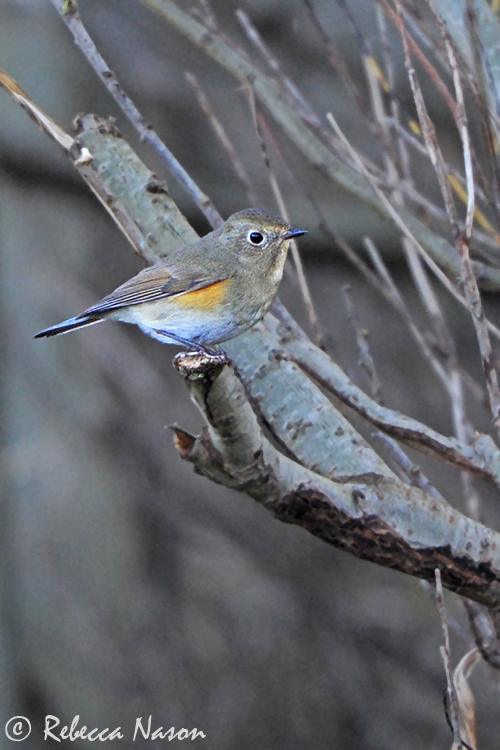
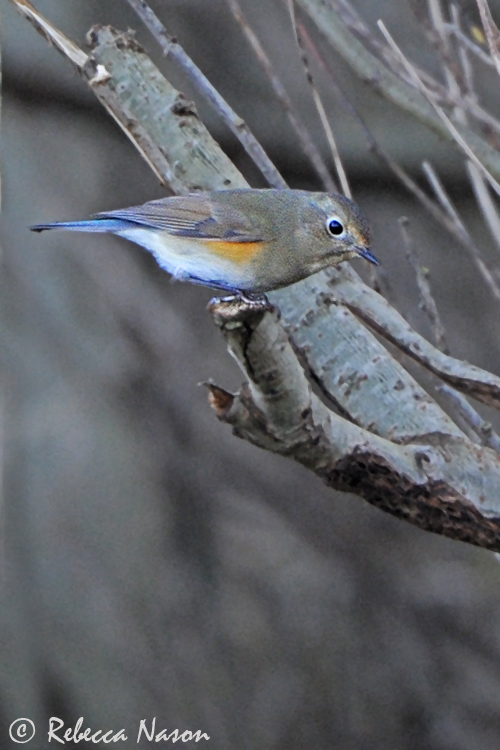
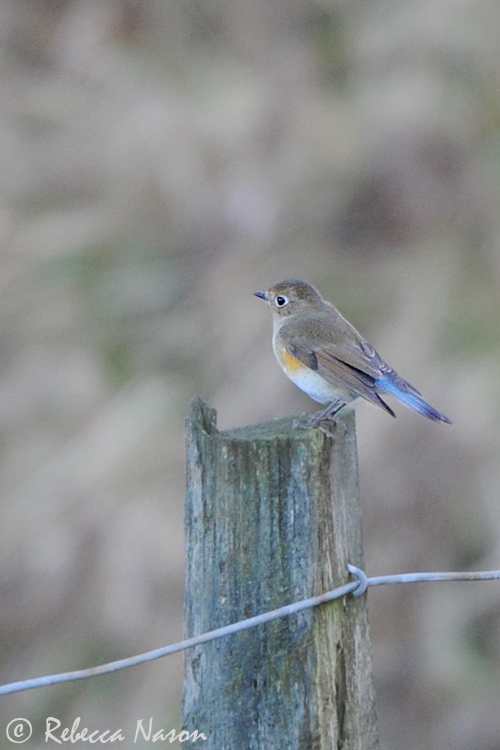
Red-flanked Bluetail(s), finders accounts – one each in the bag! Rebecca Nason/Phil Harris
Posted by Brydon Thomason on Tuesday 16th December 2014 | Birding in Shetland
This year Autumn birding seemed to last favourably into November with strong easterly winds, gales at times, but still with a great sense that it wasn’t yet over and there were still potential rares to be found. On 3rd November, I had an excited call from Phil who had gone to Geosetter just ahead of me to check for migrants and do some bird ringing in the calm conditions before heading to work – he had found a Red-flanked Bluetail, a cracking 1st year bird which had graced his only just opened net! A superb find and a bonus surprise bird to ring along with more usual Goldcrests, Blackcap and Robins. This bird was to stay for over a week and prove popular with birders and photographers alike as it fed around Geosetter burn.
Fast forward one week, to the 8th November, after a few days of birdless gales and bad weather, the 8th saw calmer, milder ESE conditions and Phil and I had set it aside to bird all day, our route firmly planned with headed off with a certain degree of optimism. North of Lerwick, our first port of call was Kergord where we saw 3 Great Tit and a Blue Tit. A brief stop at Loch of Voe and Goldcrests could be heard in the low pines, 12 were seen in total. We headed down into Voe, stopping to view a couple of favoured spots near the harbour. A solitary Waxwing was a welcome sight and raised the game slightly in a relatively uneventful morning. Another Blue Tit was also noted, it’s been an exceptional year for Blue and Great Tits on Shetland.
We returned to the car and headed up out of the back of Voe, stopping at one of my favourite spots, Burn of Kirkhouse, a small bridge over a trickling burn, a small crop and sheltered small woodland copse. Our immediate impression was of how quiet it was as we started birding the site, moods slightly lowered at the distinct lack of migrants. A couple of Robins were all we could muster. Deflated, Phil walked up the road towards some roadside gardens and I headed along a track and fence line towards the small woodland patch with a sparse understorey just up from the burn.
A minute or two later I glimpsed into the darkened, shaded wood. I heard a Robin tick and I didn’t even raise my bins as a similar bird moved quickly from right to left and landed on a sycamore branch in half darkness within. The same bird then flicked up and towards me, landing again in half light but closer to the woodland edge, maybe only 10 metres from me.
I raised my bins, expecting to see a Robin – OH MY GOD!!! I’d found a Bluetail – was my instant thought as my eyes focused on a full head on view of a very distinct 1st year Red-flanked Bluetail . I couldn’t see any blue as it was facing me straight on, but the beige breast shone out where I had been expecting to see Robin red, the paler white throat patch was clear to see, the burnt orange flanks erupted from it’s rotund little chat form on dark stick like legs, all puffed up in the cold, a white fringed beady eye stared back at me.
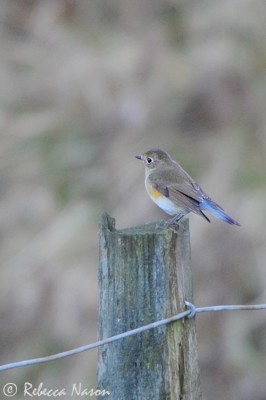
The adrenalin kicked in as it disappeared back into the woodland shadows and out of view. I ran to the road and called Phil over, shouting that I had a bluetail! Wow, one each in the same week and one of three we’d seen in a month, after the strikingly tame Sumburgh bird back in October.
A frustrating 10 minutes went by until the bird showed again, it really was a skulking individual and very hard to even glimpse at times in the woodland canopy and denser scrub along the burn. Moments of dread thinking it may have vanished up the burn without being noticed were soon alleviated as it appeared suddenly right out in the open on a fence post near the bridge, vibrating it’s vivid blue tail as I nailed a couple of record shots. We then headed off to find a spot with a phone signal to put news out and continue our birding afternoon North. The bird was seen again that afternoon and the next day only.
Rebecca Nason / Phil Harris
Permalink
Pied Wheatear at Haroldswick, Unst – 1st to 9th November 2014
Posted by Brydon Thomason on Thursday 11th December 2014 | Birding in Shetland
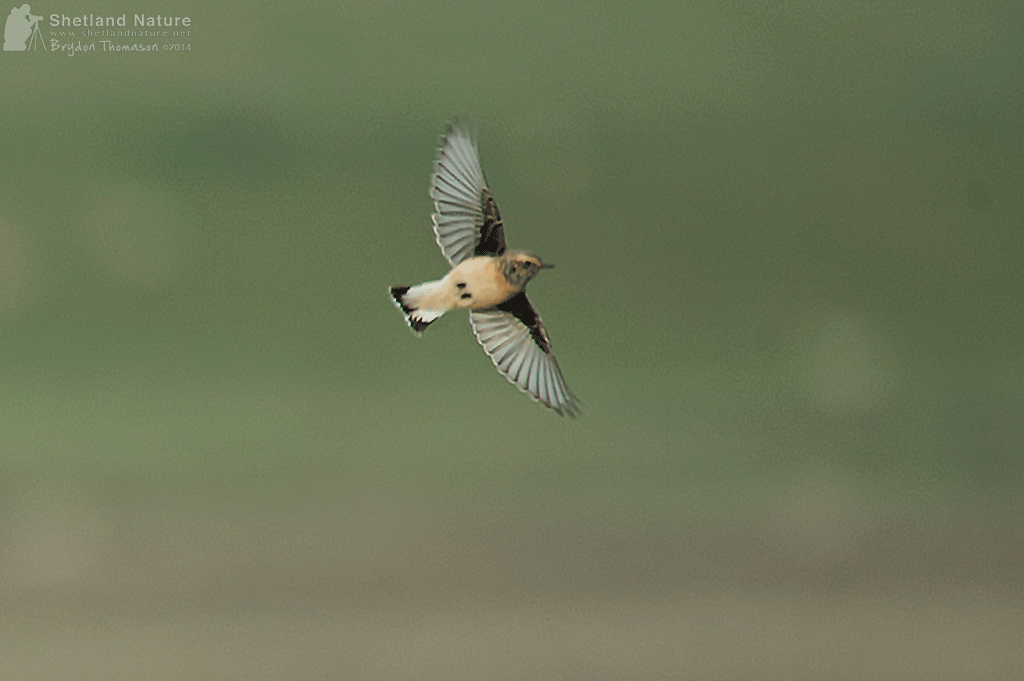
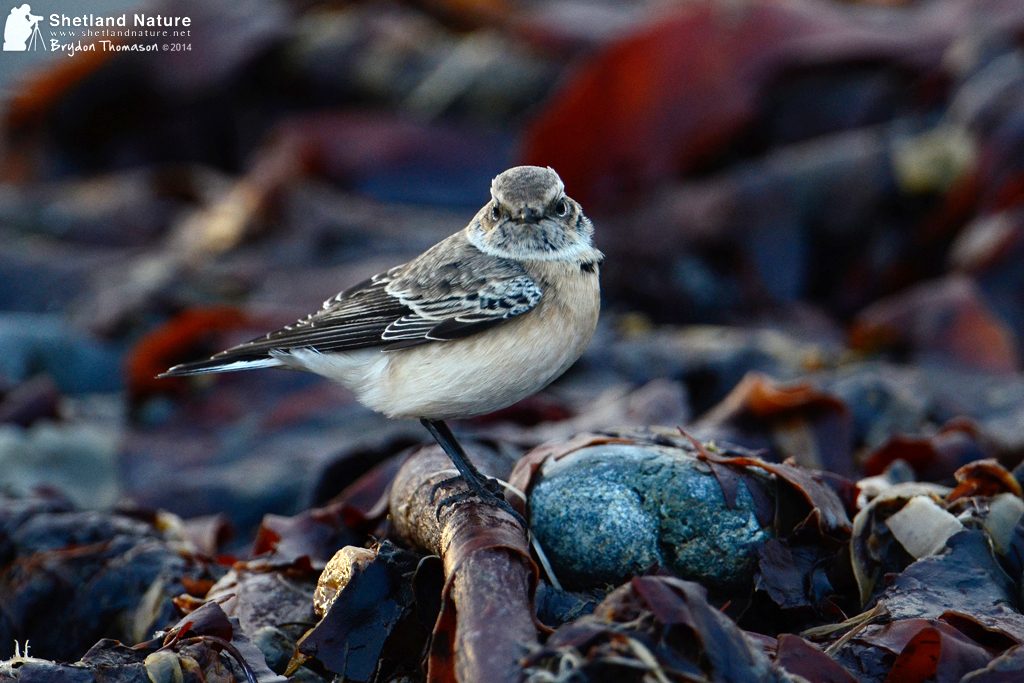
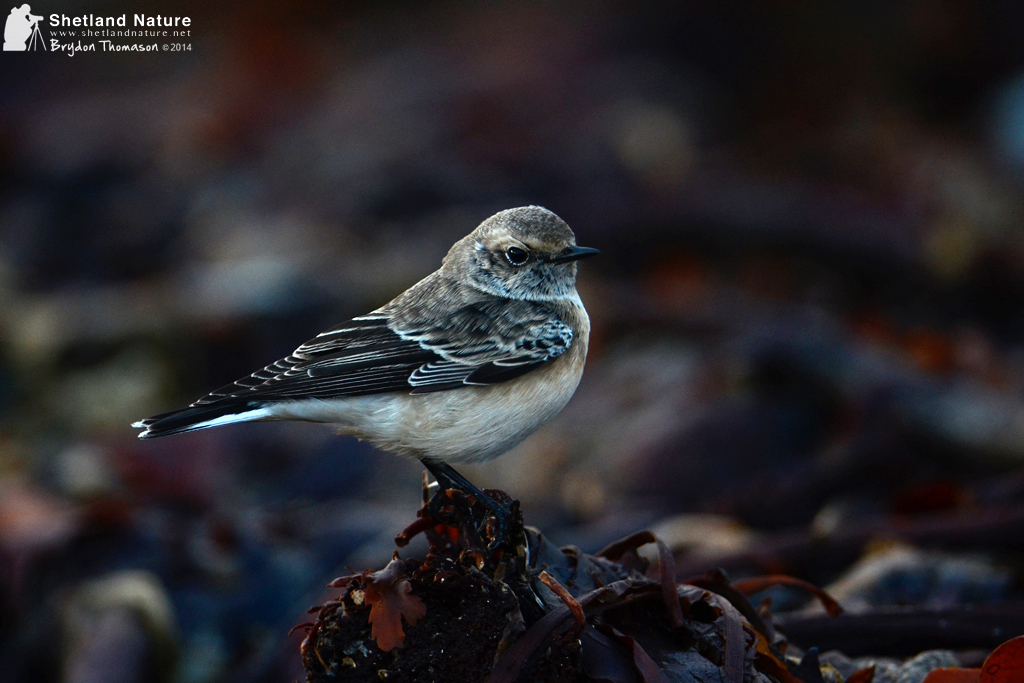
In flight, the wheatear in the first few seconds of first views. The following morning it showed down to just a few feet when the other images were taken.
When you look at recent form from previous autumns it might seem quite surprising that an island as geographically well positioned as Unst and as well covered as it is- there had been a drought of nearly five weeks since the last BB rarity. Nevertheless this was certainly the case for us for the second half of the autumn; there had been not a single national rarity since the Swainson’s on the 28th September.
The suggestion that myself and birding comrades Micky Maher and Mike Pennington, were perhaps ever so slightly starting to wane by the first day of November, might not be all together inaccurate. However November is a month never underestimated by us in Shetland. In fact the early part particularly has produced some quality finds for us in previous years including Pine Bunting and Hume’s Warbler and has come to be one of our favourite periods of late autumn. Plus of course the banter is always good and the reality always is that you simply have to be in it to win it- sure we’d had a quiet run but you just keep on digging in.
But our luck was about to change; we were rounding off a circuit of what was to be the last site of the morning for me before heading home to spend the rest of the day with the family. My last trickle of optimism came as it was just approaching 14:45pm as we were just about to go our separate ways in our cars, I shared my intention to detour round the ring road through Haroldswick and thankfully MAM and MGP agreed and followed on convoy style.
Just minutes later driving up onto the side road, a stunningly unfamiliar tail pattern of a pale vagrant wheatear caught my eye as it dashed across a field to my right, causing me to grind to an instant haut. I couldn’t believe it- finally we were back in the game! As I focussed my bins on it perched face on about 40 yards from the road, I glanced over my shoulder to the lads behind and waved my arm out the window like a lunatic in the direction of the bird. Right or wrong my impulse reaction after a reasonable few seconds view was to grab my camera from the passenger seat and fire off a couple of frames, which was all I managed out the window as it flew.
Thankfully as we scrambled out of our cars I could immediately tell from MAM’s expression I was not alone in my excitement- the frantic pointing had worked! Although however there was most certainly just cause for a moment of euphoria as first thoughts were for Pied- we knew that Eastern Black-eared needed eliminated and the couple of shots I had taken in the heat of the moment only showed underparts. We called Robbie Brookes with the news who joined us straight away.
Fear slowly set in over the fifteen to twenty minutes or so that ensued while we tried to relocate it. It had only appeared to dip over the rise of a hill, but it had disappeared. Fortunately however I managed to pick it up along a fence of an adjacent field where we could all start to get distant scope views.
Eventually it gave better but brief views before disappearing again along a network of dry stone walled fields. It was now approaching 15:45pm and we had lost it completely and barely shared more than a few minutes viewing of the bird between us. Thankfully Robbie had nailed a set of images that we hoped, along with what we had seen, could confirm its ID after consulting literature. Later that evening when we got together and we reassured ourselves of Pied, as well as opinion of a couple of others with relevant experience, we could eventually rule out EBE. Thankfully the following morning it was very obliging, showing down to just a few metres. Now the subtleties that had confirmed its ID the day before, (such as the faint scaly fringing to scapular feathers) were much easier to see.
Although aware of the potential difficulties with these two species, this was the first time for us to be faced with this ID separation and so we were rightly cautious. Further reading later revealed just how difficult poorly marked first winter/female plumages can be and how much overlap there appeared to be in features between them. The fact that some authors state some individuals to be inseparable without seeing base colour to mantle feathers made us all the more careful.
Perhaps surprisingly this was Unst’s first ever rare wheatear. It was the 8th record for Shetland.
Permalink
Grey-cheeked Thrush finders account – Strandurgh Ness, Fetlar – 29th October 2014
Posted by Rory Tallack on Thursday 11th December 2014 | Birding in Shetland
A late-autumn coastal monitoring walk of Fetlar’s wild and remote north-east cliffs for Rory Tallack landed him with the remarkable discovery of a highly prized American passerine. A find like this is a fantastic example of the fact the birds in Shetland can literally turn up anywhere and often when you least expect them…
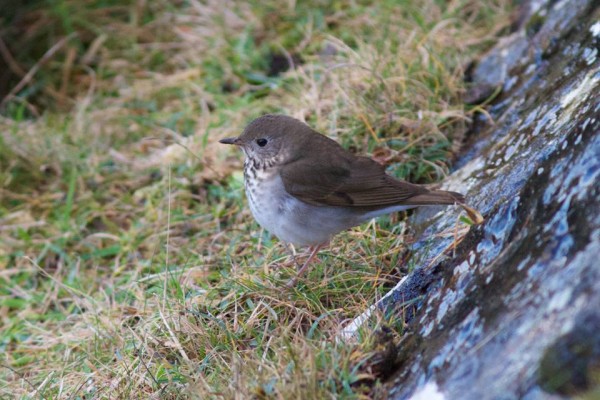
Surveying in Fetlar for the day, Paul Harvey and I decided to split up in order to cover a long route in half the time; he headed to the south east of the island, while I set off walking the north east coast. Ten minutes into the walk, I had a call from Brydon Thomason asking if I could look out for seal pups on my way round. I briefly regretted answering the phone – this meant I couldn’t take the usual shortcuts away from the coast – but I agreed and continued the walk, checking each geo for seals as I went.
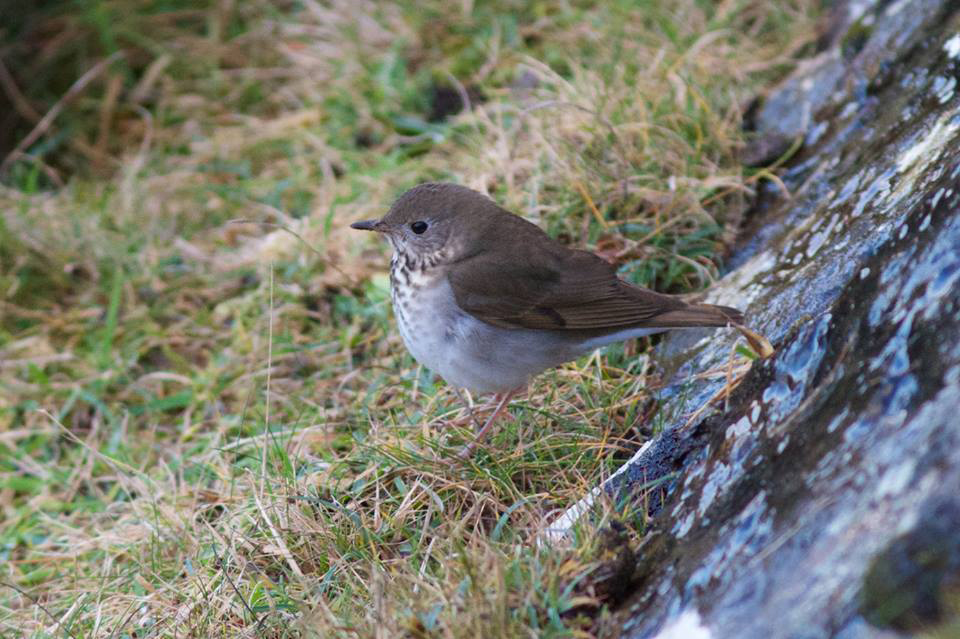
Around an hour and two seal pups later, I reached Longa Tonga, a deep, rounded geo, where two more pups were conspicuously lying on the beach below. There were 3 adult females in the water so it seemed sensible to make sure there wasn’t a third pup out of sight. I walked to the far side of the geo and down into a small dip, where I suddenly became aware of a bird on the ground, only around 5 feet away. This in itself wasn’t a huge surprise – I’d seen good numbers of Redwings all morning – and I didn’t even lift my bins. However, as I looked down, I was stunned to see this one wasn’t a Redwing, but an American thrush! Unfortunately, the bird was almost as surprised to see me as I was it and, after an awkward couple of seconds, it disappeared down into the geo, out of sight, and I saw it on its way with a single loud expletive. I hadn’t seen it for long enough to feel I’d clinched its identity, but my initial impression was of a bird with strikingly cold underparts, no buffy tones around the face and, as it flew off, it was clear that neither the tail nor the upperparts were obviously warm-toned.
The bird was now out of sight, but I was quite sure it hadn’t gone far. I phoned Paul and Brydon, leaving Paul a message to say that I’d found a catharus thrush, ‘probably Grey-cheeked’. I knew it would take him at least an hour to get to me – he would be as far from his car as I was from mine – and at that point I had the feeling I might need a hand to see it well enough to confirm the ID. Fortunately, however, I relocated the bird quickly and, after a couple of failed attempts to get close, pinned it down to an area of boulders at the far end of the geo and fired off a handful of distant shots. I moved to a better position a few metres closer and slowly peered over a ledge, camera poised. It was gone. Somehow in those few seconds it had disappeared completely.
My phone rang. It was Paul – he was on his way but had still not reached his car, which meant at least another hour, probably more. A quick look at the back of my camera revealed a series of distant smudges on a rock, but fortunately there was enough there for me to confirm my initial thought: I had stumbled upon a Grey-cheeked Thrush on a cliff in the middle of nowhere! I phoned a couple of friends and then set about trying to re-find the bird once again. For around half an hour it eluded me completely, before briefly giving itself up on the cliff-top to the north east of its original geo. It promptly disappeared again and this time I decided my best bet was to wait. I found a promontory from which I could see two or three hundred metres of cliff to the north, and sat down. To my surprise, I soon picked up the bird about 100m away, feeding on a grassy slope near the bottom of the 30m cliffs. I stayed on it until it flew into another geo, then moved closer and waited once again. Again it reappeared, feeding on the next grassy slope, slowly but surely moving north-eastwards along the cliffs. I phoned Paul. He was now only a few minutes away and was with Malcie Smith, the only other birder on the island at that time. By the time they arrived, it had just moved out of sight, but I knew exactly which geo the bird was in. We positioned ourselves on either side in order to keep track more effectively as it moved, and over the next 45 minutes we watched as it fed along the cliffs, occasionally disappearing out of site for minutes at a time and, at one point, giving fantastic views down to just a few meters.
Rory Tallack
Permalink
Swainson’s Thrush finders account – Norwick, Unst – 28th September 2014
Posted by Paul French on Tuesday 9th December 2014 | Birding in Shetland
Swainson’s Thrush finders account by Paul French
Shetland has had some great birds this autumn. The likes of Siberian Rubythroat and Myrtle Warbler have filled the notebooks and emptied the pint glasses of many birders, including mine, and rightly so. However, when I look back at my time on Shetland this autumn, and indeed any autumn, it’s always the birds that you have a personal involvement in the finding of that mean the most.
Walking along the back of some houses at Norwick with Garry Taylor, we were stopping regularly to scan the rigs and gardens. As I turned to say something to Garry, he saw a passerine fly out from the Japanese rose bushes and land on a gravel driveway.
“What’s that?”
The bird had barely registered in my vision and I turned to face it, getting a naked eye view of what looked to be a dumpy passerine. It then darted into the rosa, leaving me with a confusing impression.
“That was a Catharus!” said Garry, who had managed to get his bins on to it.
Garry had managed to clock it as a Catharus thrush, and had also gained an impression of an eye ring, indicating it was most likely a Swainson’s. We called Gav Thomas and Bill Aspin on the radios and they rapidly arrived on the scene. We then sat back to wait for it to show again. And we waited. After 30 minutes of waiting, a new plan was needed. Garry went to the house door to talk to the owner, and myself, Gav and Bill positioned ourselves at either end of the driveway. Just then, the bird chose that moment to hop back onto the driveway in front of the three of us. After a few seconds of uninterrupted views, the prominent buff eye ring and breast spotting were safely recorded and the celebrations began. It’s not every day you’re involved in the finding of an American passerine, and this one was all the more memorable for being a proper team event. We put the news out, and the first people on the scene were the Shetland Nature group who all enjoyed decent views. The thrush then spent the rest of the afternoon around the gardens and ruined crofts at Norwick, showing well on occasions perched on the garden wall.
Permalink
Promoting opportunities for young birders – with A Focus On Nature
Posted by Brydon Thomason on Thursday 23rd October 2014 | Birding in Shetland
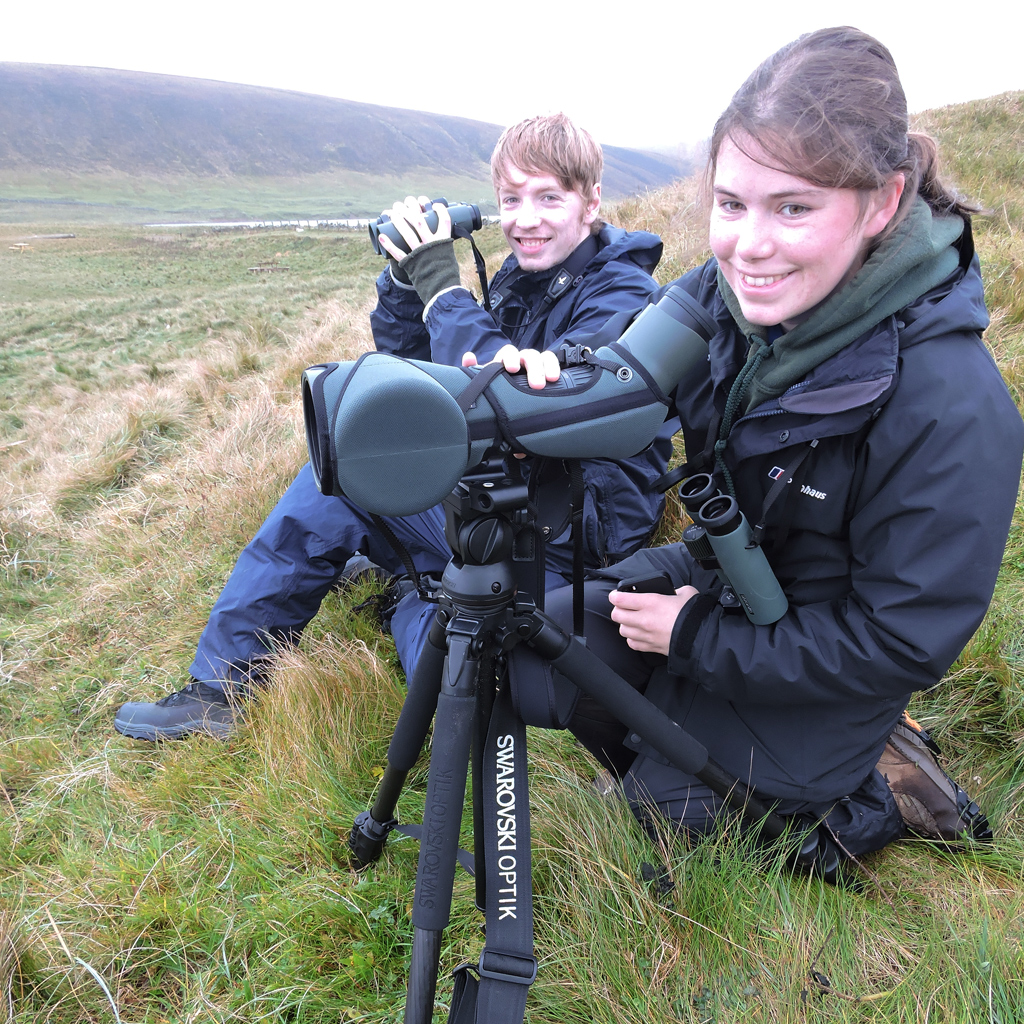
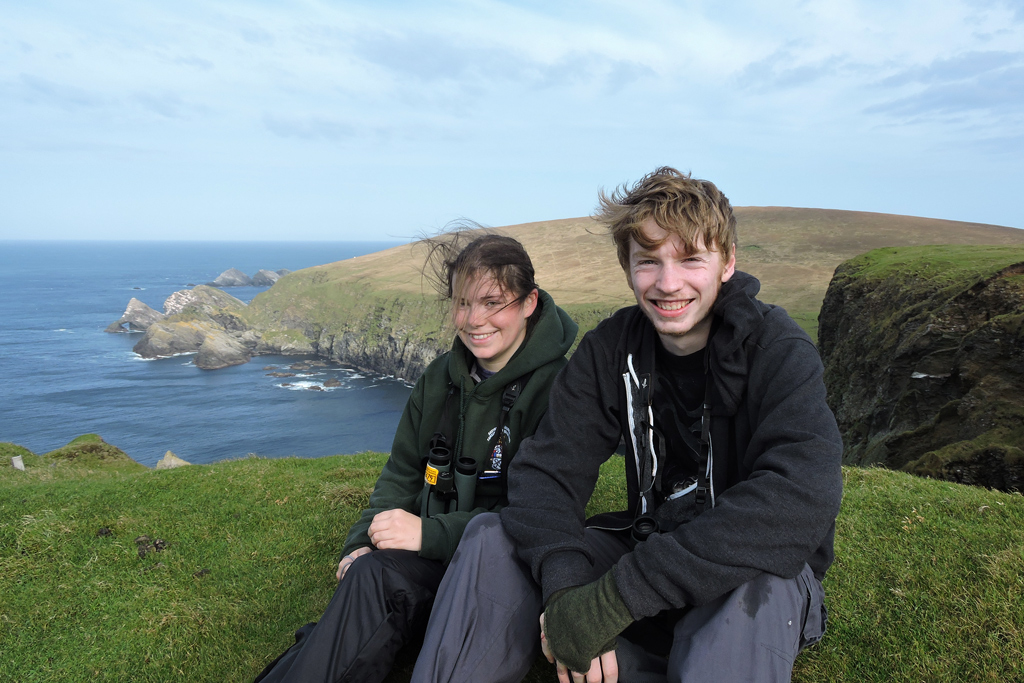
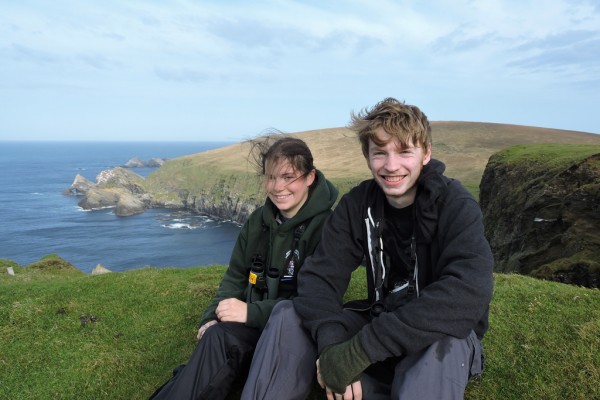
This season we have been delighted to work with and support A Focus On Nature by offering them the prize of a week in Shetland birding in prime time autumn migration. They used the prize for their University Birdwatch Challenge competition, which we hosted over the first week of October. The two mustard keen young birders were David Hunter, (a 3rd year Zoology student at the University of Reading) and Amy Robjohns (a 2nd year Environmental Science student). Helping and supporting organisations such as AFON create and facilitate opportunities for young birders, naturalists and photographers is something we feel very important and are delighted be part of. Here Amy shares her experience of a week’s Shetland autumn birding with us…
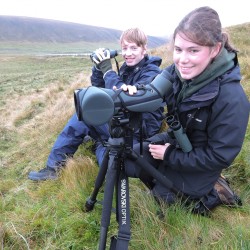
Summarising my recent trip to Shetland is tough as I had a wonderful time with fantastic memories. I’m really grateful to A Focus On Nature and Shetland Nature, as well as their sponsors including Swarovski Optic, Opticron and Wildsounds, for giving me such a great experience. I’d never really been up north before, so to get the chance to go birding on the northern most island in Britain (Unst) during prime time autumn migration has provided me with new experiences and unforgettable memories! I think the 31 lifers says it all, but it’s not all about the new birds. It was great to see mammals too – Otters and Grey & Common Seals – and to see just how different it is in Shetland.
Seeing Grey and Common Seals right outside Tesco in Lerwick was quite something, made even more amazing by the fact that we’d already seen Black Guillemots, a Siberian Rubythroat (Yes – a Siberian Rubythroat!!), Yellow-browed Warblers, Merlin… [the list could go on] and it wasn’t even 10am by the time we’d seen all this (and more) and done our weekly shop! This was all thanks to Rebecca Nason and Phil Harris, the SN team members who met us on arrival and gave us our first taste of the Islands. We had a great day with them, a lovely couple who certainly knew their birds!
I was then still rather amazed that we continued to travel north… We’d already spent about 10 hours on a train and 14 hours on a ferry, yet there was still more land to cover! The scenery was also something I was struck by. It’s so beautiful, and more wild than down south. There are less trees too.
From Monday to Friday we birded mainly around Unst (the most northerly island in Britain) with Brydon, owner of Shetland Nature. It’s always a good experience to bird with experts and this was no different. We saw a lot – mostly common migrants for Shetland, but also some more unusual and scarce species such as a Great Grey Shrike, Bluethroat and Wryneck, oh and Blue Tits – which is bizarrely a rarity in the islands! We got to learn a lot of fieldcraft and improve our birding skills as well as seeing loads of birds.
While we were birding with Brydon, we found some good common migrants but it was the Olive-backed Pipit, a rarity from Siberia and a Black-throated Diver, a rarity on the islands, that was particularly exciting. The excitement of discovering, learning their identification, assessing features and how to separate them from commoner species were all parts which made finding birds so much better than twitching birds!
We also got to visit Hermaness, the most northerly point in Britain which was great. Some Gannets were still breeding, and the Great Skuas were spectactular, especially when they flew really close to us!
Friday was probably one of my favourite days. It started with 2 Glaucous Gulls from the living room window, and then we were off to Fetlar. There we found a Barred Warbler, Black-throated Diver alongside a Red-throated Diver and just to make the day even better, had amazing views of Otters! After this, we then had another Olive-backed Pipit and a Siberian Stonechat. What a day!
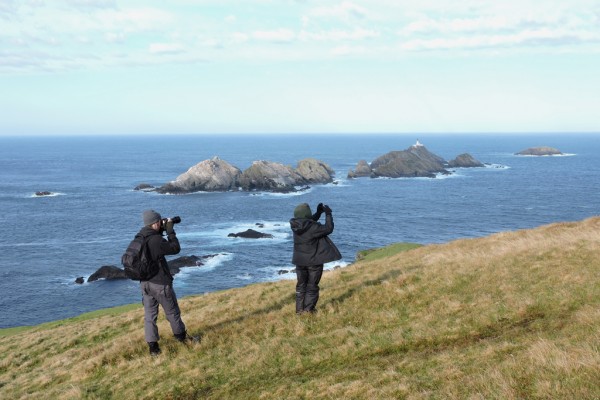
Saturday was our final day so we slowly made our way back towards Lerwick, birding as we went. This gave us a chance to explore Yell for a bit which was nice, and we got close up views of Scaup – one of many species I’d never seen before, and also Twite. We then finished the day and trip on an Eastern Bonelli’s Warbler. What a way to finish!
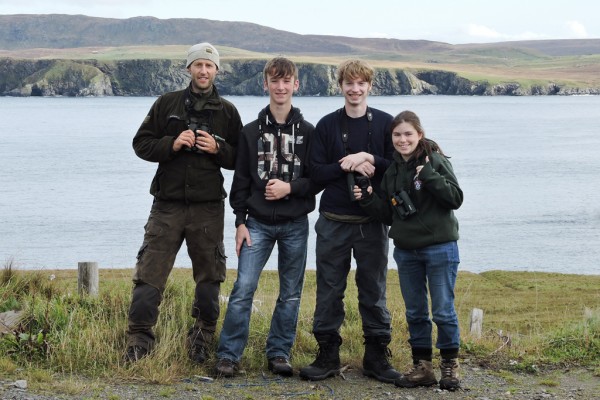
On our final day Brydon invited Logan Johnston, a very sharp eyed 15 year old local birder to join us which was really cool and interesting. Comparing notes from each others local patches was quite something!
This trip was a great experience for me, especially as I’d rarely travelled up north, so was able to see species that are much less common in Hampshire which was wonderful. Birding with an expert also helped a great deal as I feel I’ve learnt a lot, particularly about fieldcraft which will come in handy for the future! In short, I’m very grateful to have been given the opportunity to go to Shetland and loved every minute of it!!
Amy Robjohns
Permalink
Yellow-rumped Warbler finders account – Virkie – 29th September 2014
Posted by Roger Riddington on Tuesday 30th September 2014 | Birding in Shetland
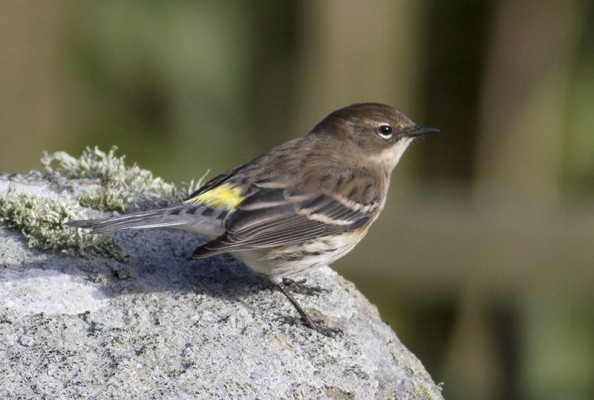
Monday 29 September dawned overcast, with little wind. Opening the mistnets in the garden for a couple of hours seemed like an obvious strategy, just in case the strong SW winds of the past couple of days had brought anything to Eastshore. With a thin rim of clear sky on the eastern horizon the sunrise was beautiful as I padded down the drive to open the net by the gate, although the sun was soon swathed in thick cloud as it rose further.
With one net open I went down to open the other two, and heard a distinctive call coming from behind the rose bushes along the western dyke. A moment after hearing it, a low-flying Swallow appeared and I assumed it must have been the Swallow – another moment later, something with a yellow rump and wingbars flitted ahead of me, into the main bank of trees, calling: an emphatic, rather full and metallic “tchick” call. It was an American wood warbler! Ooooeerr!!
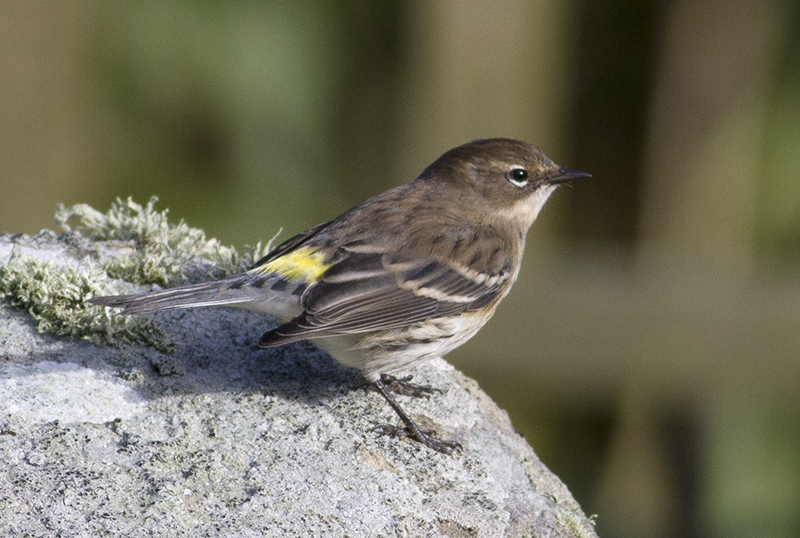
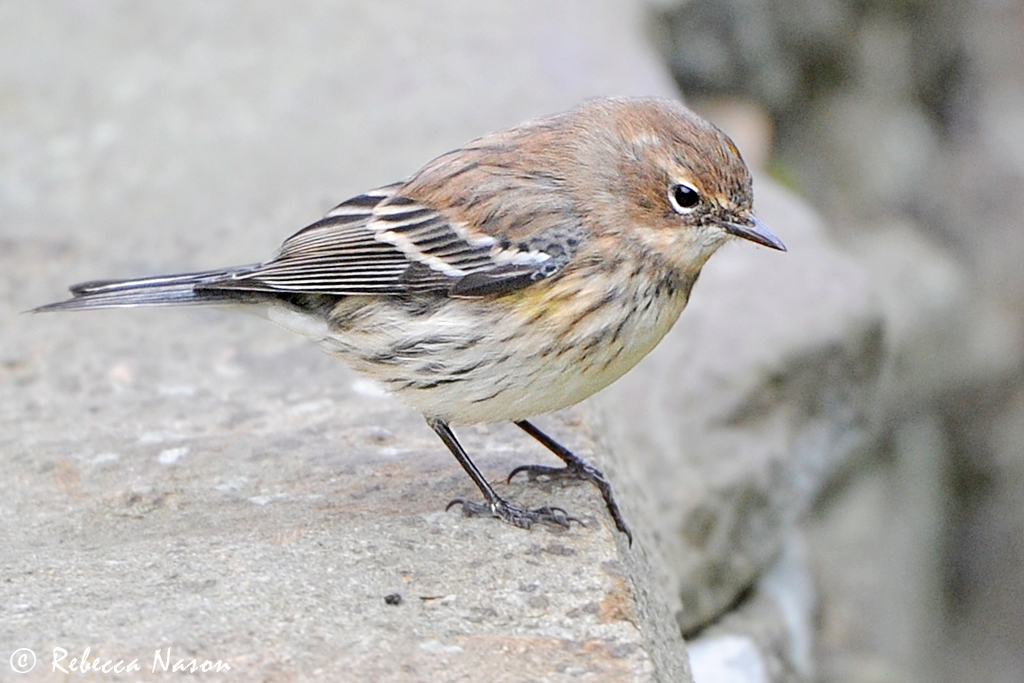
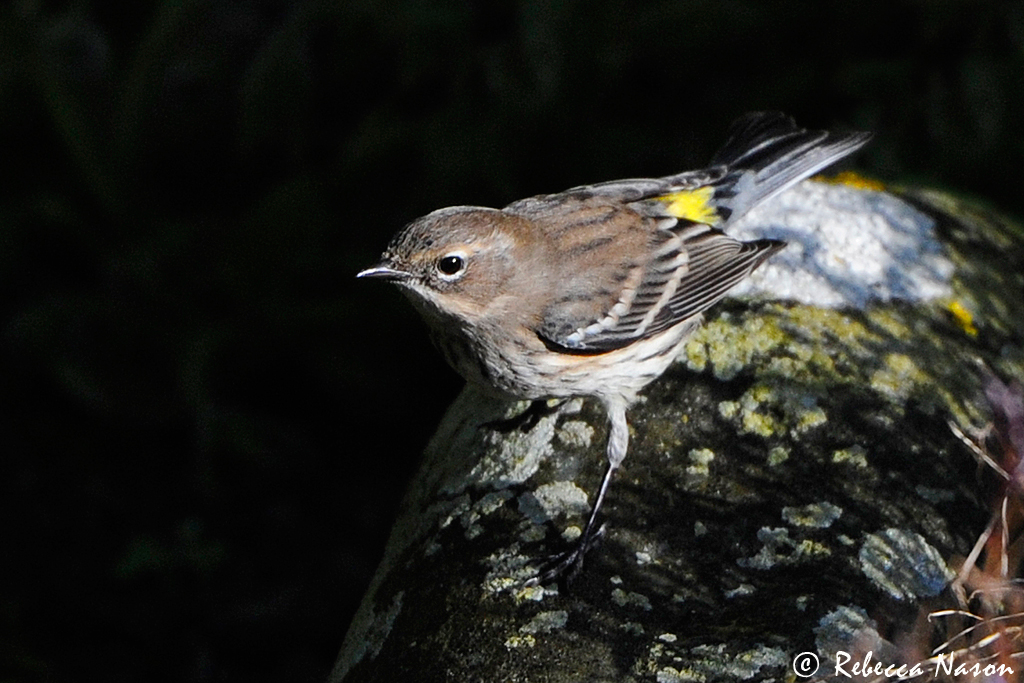
Having always hoped to find an American wood warbler in Shetland, I always imagined that the reality of such an event would be a heady cocktail of elation and terror – ‘it’s a great bird but what on earth is it?’ In fact, on this grey September morning, I knew pretty much straightaway what this one was. The rounded yellow rump patch, the wingbars and tertial edges and a thin slit of yellow in the crown they all added up to Yellow-rumped Warbler!
The bird showed nicely in the trees around the main mistnet ride, flicking from side to side above the furled net. I phoned/texted fellow Virkie birders: PVH was at Sumburgh Head but would soon be on his way, Rob Fray and Gary Bell were asleep and unrousable. Within 10 minutes, PVH and the handily nearby Pierre-Andre Crochet arrived, and soon had views of the bird. Pierre set up his sound-recording gear while we waited for more views – it was still too dark for photos, the light was hopelessly poor (3200 iso, 2/3 under and 1/100 poor). We watched the warbler on and off for another five minutes before it made a flycatching sally into the air but, instead of returning to the garden headed off across the field, and we lost it above the boulders on the beach. And, sadly, that was the last we saw of it!
It wasn’t seen at all for the rest of the day, but what was surely the same bird (it looked identical) was found by Gary Bell the next morning (30th September) at Grutness, about 1.5 km as the crow flies from our garden.
Roger Riddington
Permalink
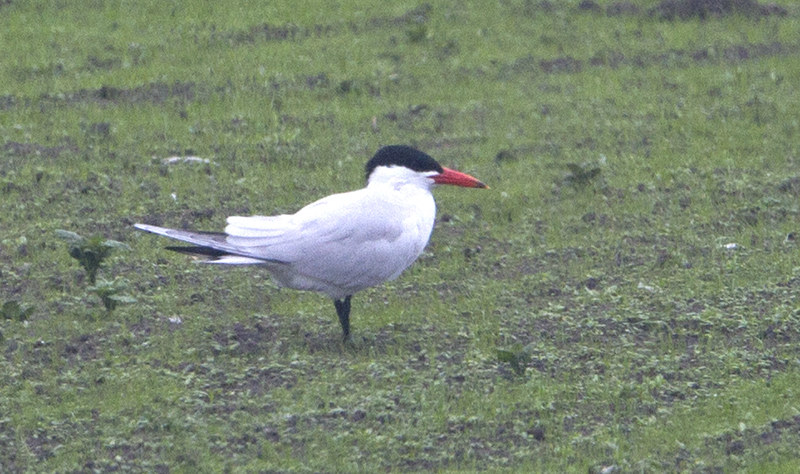
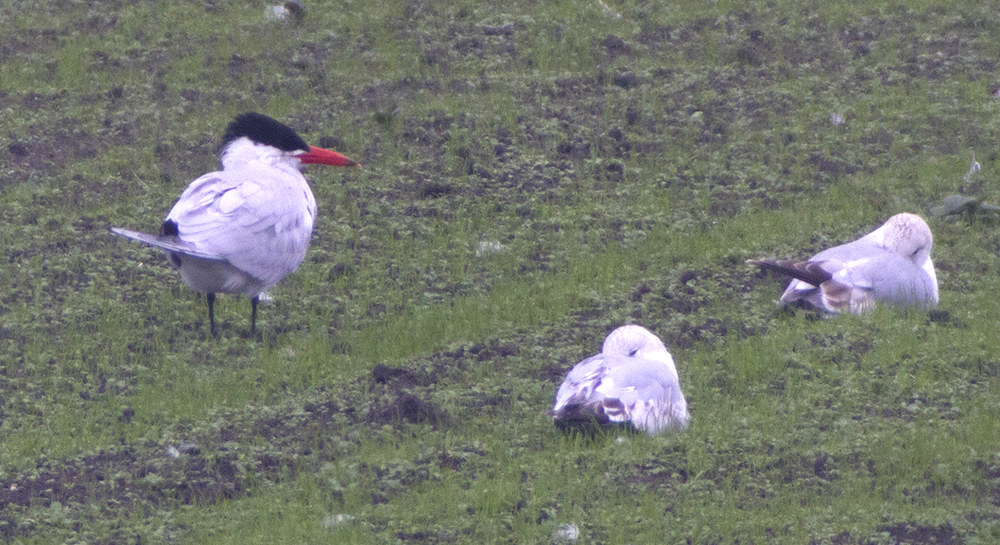
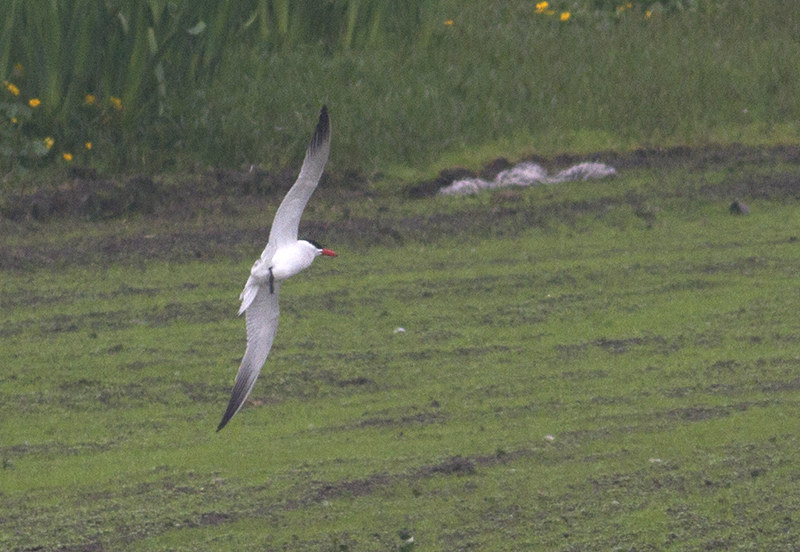
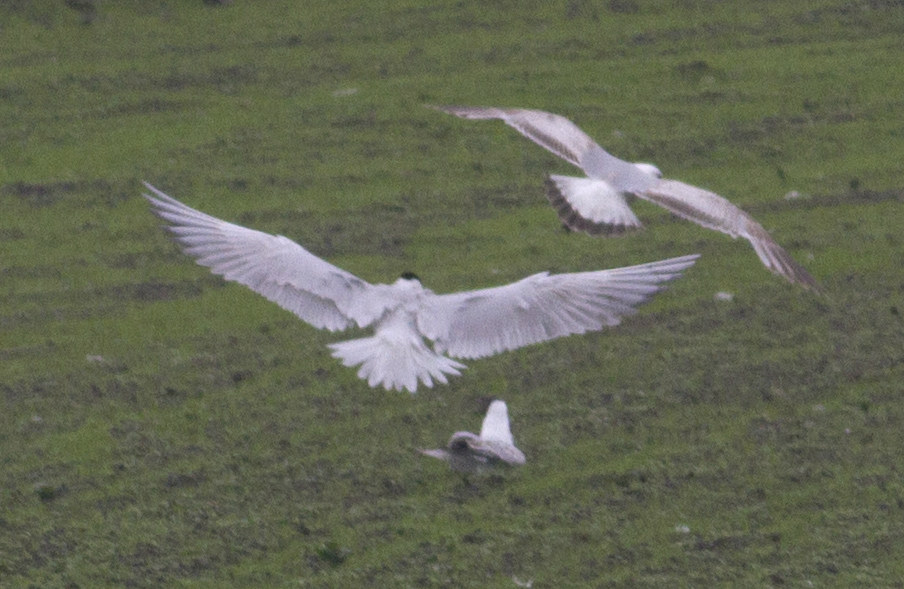
Caspian Tern finders account – Quendale, 4th June 2014
Posted by Roger Riddington on Wednesday 4th June 2014 | Birding in Shetland
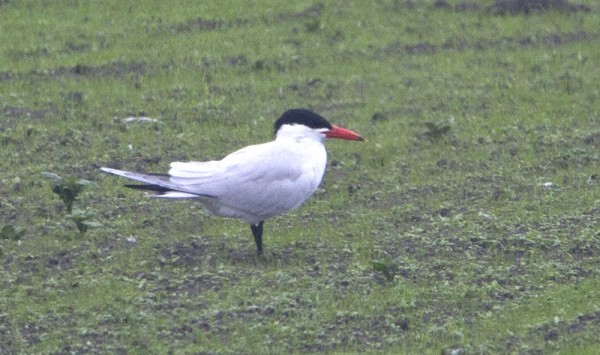
I downed tools at work at about 4.00 pm and set off to Quendale with Ian Cowgill. We made a detour to the south end of Spiggie first of all, where a smart sum plum Slavonian Grebe was still present. Also at least one but probably two singing Common Quails.
En route to Quendale, we pulled in at the usual site to check Hillwell. I turned the car round so I was closer to the loch and started by scanning quickly across the flock of 20–30 gulls (mostly Black-headed and Common Gulls) that were loafing in the field between the road and the loch. The fourth bird from the left-hand end immediately grabbed my attention; facing away, it was taller and bigger, with a black crown, and through my bins I caught a glimpse of a red bill. That prompted a desperate scramble for ‘scope and bean bag, which duly revealed: a CASPIAN TERN!
We watched for about an hour and a half, during which time the majority of the mainland-based birders arrived to tick it off – it was a tick for everyone, Dennis and Okill included, so there was plenty of rubber left on the bends between Mainlands and Hillwell. The bird didn’t actually do very much, it was effectively roosting/loafing for the vast majority of the time. It made one short circuit of the loch quite early on, and one other very short flight to a new part of the field; but otherwise it was pretty static. We eventually left it at about 6.30 and went to check Quendale (which didn’t take long – no migrants and it came on to rain). When we got back to Hillwell, we found only Brian Marshall and John Laurie staring at an empty field, empty of Caspian Tern at least; apparently the bird had flown off north at about 6.45.
Roger Riddington
Permalink